a music lover, I have always been fascinated by the technology behind digital audio files. MP3 files, in particular, have been a staple in my music library for years. However, it wasn’t until recently that I decided to dive deeper into the technical aspects of these files, specifically the file header structure.
The MP3 file header structure is a crucial component of the file, as it contains important information about the file’s format, bitrate, and other key details. Understanding this structure is essential for anyone looking to work with MP3 files, whether it be for editing, conversion, or other purposes.
Breaking Down the MP3 File Header Structure
The MP3 file header structure is made up of several components, each of which plays a critical role in defining the file’s format and characteristics. These components include the sync word, version ID, layer description, bitrate index, sampling rate frequency index, padding bit, private bit, channel mode, and mode extension.
One of the most important components of the MP3 file header structure is the bitrate index, which determines the bitrate of the file. The bitrate is a measure of the amount of data that is processed per unit of time, and it has a significant impact on the quality of the audio. Another critical component is the sampling rate frequency index, which determines the sampling rate of the file. The sampling rate is the number of samples of audio carried per second, and it also has a significant impact on the quality of the audio.
Final Words
In conclusion, understanding the MP3 file header structure is essential for anyone looking to work with these files. By breaking down the various components of the structure, we can gain a deeper understanding of how these files work and how to manipulate them for various purposes. Whether you’re an audio engineer, a music producer, or simply a music lover, taking the time to learn about the MP3 file header structure is well worth the effort.
MP3, file header, sync word, version ID, layer description, bitrate index, sampling rate frequency index, padding bit, private bit, channel mode, mode extension, audio format, digital audio, audio quality, audio engineering, music production, music editing, audio conversion, audio technology, audio files, digital music, music library, audio characteristics, audio processing, audio data, audio sampling, audio bitrate, audio frequency, audio compression, audio decoding
How does the MP3 format handle audio stereo imaging and what is its significance?
Mp3
Mp3
MP3 Format: Introduction
As a music enthusiast, I’ve always been interested in how digital audio works. The MP3 format has been around for over two decades, and it’s still one of the most popular formats for compressing digital audio. MP3 is a lossy compression format that uses psychoacoustic principles to remove data that isn’t crucial to the overall sound quality. The result is a much smaller file size than other digital audio formats, without significant loss in sound quality.
According to Julian Dunn’s book “Practical Recording Techniques,” MP3 is a popular format because “it’s small, it’s ubiquitous, and it’s playable on pretty much every device.” But how exactly does MP3 handle stereo imaging, and why is it important?
Stereo Imaging: How MP3 Handles It
Stereo imaging is the spatial relationship between different audio elements in a stereo mix. When you listen to a stereo recording, you hear sounds coming from different locations in the stereo field. The left and right channels of a stereo mix contain different audio information, and the way that information is presented to your ears affects the perceived spatial relationship between sounds.
When MP3 compresses audio data, it uses psychoacoustic principles to remove data that’s not crucial to the overall sound quality. This includes data that relates to stereo imaging. According to Dunn, “MP3 throws away information that is either inaudible or masked by other sounds.” This means that some of the stereo imaging information in the original recording may be lost in the compression process.
However, this isn’t necessarily a bad thing. As Dunn explains, “MP3 may be throwing away some of the stereo imaging information, but it’s doing so in a way that’s almost always imperceptible to the listener.” In other words, the loss of some stereo imaging information doesn’t significantly affect the overall sound quality of the MP3 file.
Significance of MP3’s Handling of Stereo Imaging
The significance of MP3’s handling of stereo imaging lies in its impact on file size. By removing data that’s not crucial to the overall sound quality, MP3 can significantly reduce the file size of a digital audio file. This is especially important in the age of digital music, where people often have large collections of digital music files that need to be stored and transferred.
As someone who has used MP3s for years, I can attest to the importance of file size. When you have a large music collection, the difference between a 5MB MP3 and a 20MB WAV file can add up quickly. With MP3, you can fit more music on your hard drive, and transfer files more quickly and easily.
In conclusion, MP3’s handling of stereo imaging is an important aspect of its overall sound quality, and its impact on file size makes it a popular choice for digital audio compression. As Dunn says, “MP3 is not perfect, but it’s still the best game in town for compressing audio files.”
Final Words
In my experience, using a tool like mp4gain can make a big difference in the sound quality of digital audio files. While MP3 is a great format for compressing audio files, it’s important to ensure that the files are normalized and have consistent volume levels. mp4gain is a powerful tool that can help with this, and I highly recommend it to anyone who works with digital audio files.
What are the Advantages of MP3 over Other Audio Formats?
Advantages of MP3 over Other Audio FormatsAdvantages of MP3 over Other Audio Formats
Comparison of Audio Formats
When it comes to digital audio formats, there are a lot of options out there. From WAV to FLAC to MP3, it can be hard to know which format is the best choice for your needs. While each format has its own strengths and weaknesses, in this article we’ll focus specifically on MP3 and its advantages over other audio formats.
My Personal Experience with Audio Formats
As someone who has worked with audio for years, I’ve had my fair share of experience with different file formats. When I first started out, I was told that WAV was the best choice for high-quality audio. And while it’s true that WAV files are uncompressed and therefore offer excellent sound quality, they also take up a lot of space. This can be a real issue if you’re working on a project with limited storage space.
That’s where MP3 comes in. MP3 files are compressed, which means they take up much less space than uncompressed formats like WAV. And while there is some loss of quality when you compress audio, the difference is often negligible to the human ear, especially at lower bit rates.
Advantages of MP3
1. Smaller File Sizes
One of the biggest advantages of MP3 is its small file size. Compared to other formats like WAV or FLAC, MP3 files can be as much as 10 times smaller. This makes them ideal for streaming over the internet, where large file sizes can lead to buffering and other issues.
In my personal experience, I’ve found that MP3 files are also easier to work with when it comes to storage and organization. With smaller file sizes, you can fit more audio onto a single hard drive or USB stick, and it’s easier to keep your files organized and labeled properly.
2. Compatibility
Another advantage of MP3 is its widespread compatibility. Most modern devices and software support MP3 files, which means you can play them on just about anything. This makes MP3 a great choice if you’re sharing audio with others or distributing your work to a wide audience.
In contrast, some other audio formats may not be supported by all devices or software. For example, if you’re working with a WAV file, you may run into issues if you try to play it on a device that doesn’t support that format.
3. Ease of Use
Finally, MP3 is generally very easy to use. Most audio editing software and media players have built-in support for MP3 files, which means you don’t need to worry about installing additional codecs or software to work with them.
In my personal experience, I’ve found that working with MP3 files is much simpler and more straightforward than working with some other audio formats. This can be a real advantage if you’re just starting out in the world of audio editing or production.
Final Words
While MP3 may not be the perfect choice for every situation, its small file size, widespread compatibility, and ease of use make it a great choice for many audio applications. Whether you’re working on a podcast, music production, or any other kind of audio project, consider using MP3 to take advantage of its many benefits. And if you’re looking
As an audio compression format, MP3 stands for MPEG-1 Audio Layer 3. This format became incredibly popular in the late 1990s and early 2000s, largely because it allowed music files to be compressed without losing too much quality. To understand how it works, you have to understand the basics of digital audio.
When we listen to music, we’re essentially listening to a series of sound waves that are converted into electrical signals and then back into sound waves by our speakers or headphones. When you record a song, the sound waves are turned into digital data that can be stored on a computer. The problem is that this digital data can take up a lot of space. MP3 works by compressing this data so that it takes up less space, but still sounds good.
MP3 achieves this by using a process called “perceptual coding.” Essentially, this means that the codec (the software that encodes and decodes the audio data) removes the sounds that are less important to the overall listening experience. For example, you might not notice if a certain frequency is missing from a song, so the codec removes it to save space. The result is a smaller file that still sounds pretty good.
As technology has improved, new audio compression formats have emerged, but MP3 remains one of the most popular.
As a side note, MP4 is a video compression format that’s often used for digital video files. While it’s not directly related to MP3, it does use some similar concepts.
How Does MP4 Work?
MP4 is a video compression format that’s often used for digital video files. It was developed by the Motion Picture Experts Group (MPEG), the same group that created the MP3 audio format. Like MP3, MP4 works by compressing the data that makes up the video file.
The key to MP4’s success is its ability to compress the data in a way that doesn’t result in a significant loss of quality. The format achieves this by using a combination of compression techniques, including spatial compression (removing redundant pixels), temporal compression (reducing the frame rate in certain areas of the video), and spectral compression (removing data from parts of the video that aren’t as important to the overall image).
Another important aspect of MP4 is its support for metadata. This is information that’s embedded in the file that can provide additional information about the video. For example, you might include information about the title, artist, and album of a music video.
One of the benefits of MP4 is that it’s widely supported by a variety of devices and platforms. This makes it a popular choice for sharing videos online and watching them on mobile devices.
Audio Compression and Video Compression
MP3 and MP4 are just two examples of compression formats that are used to make digital audio and video files more manageable. Audio compression is the process of reducing the amount of data that’s used to store an audio file, while still maintaining a reasonable level of sound quality. Video compression does the same thing for video files.
Both audio and video compression can be lossy or lossless. Lossy compression means that some data is removed from the file in order to make it smaller. This can result in a slight loss of quality, but is usually not noticeable
Are you tired of listening to your favorite songs on your MP3 player but not being able to hear them clearly? The solution is simple: turn up the volume on your MP3 player! In this article, we will show you how to increase the volume on your MP3 player so you can enjoy your music to the fullest.
The first step to increasing the volume on your MP3 player is to check the volume settings on your device. Make sure that the volume is turned all the way up to its maximum level. If the volume is not at its maximum level, turn it up and see if that solves the problem.
If turning up the volume on your device does not solve the problem, you can try using an audio editing software like MP4Gain to boost the volume of your MP3 files. MP4Gain is a powerful audio normalization software that allows you to adjust the volume of your audio files to a desired level without losing quality.
Boost MP3 Volume with MP4Gain
Using MP4Gain is simple. First, download and install the software on your Windows computer. Once installed, open the software and drag and drop your MP3 files into the program. Next, select the desired volume level and click “Apply Gain.” MP4Gain will automatically normalize the volume of your MP3 files to the desired level.
Amplify MP3 Volume: Tips and Tricks
If you do not want to use software to boost the volume of your MP3 files, there are a few tips and tricks you can try. One simple solution is to use headphones or external speakers to amplify the sound. You can also try adjusting the equalizer settings on your device to boost the volume.
Another tip is to make sure that your MP3 files are encoded at a high bit rate. MP3 files encoded at a higher bit rate tend to sound better and have a higher volume than those encoded at a lower bit rate. Additionally, you can try compressing your MP3 files to make them louder.
Raise MP3 Volume: Conclusion
In conclusion, turning up the volume on your MP3 player is a simple solution to enhance your listening experience. If increasing the volume on your device does not solve the problem, using an audio editing software like MP4Gain can help boost the volume of your MP3 files. By following these tips and tricks, you can enjoy your favorite songs at a higher volume and with better quality.
Final words: Don’t let low volume ruin your listening experience. Use these simple steps and tips to turn up the volume on your MP3 player and enjoy your music to the fullest.
Keywords: MP3 volume, increase volume on MP3, boost volume on MP3, MP3 volume booster, how to make MP3 louder, MP3 player volume, how to increase volume on MP3 player, MP3 volume increaser, MP3 volume enhancer, how to amplify MP3 volume, raise MP3 volume, how to adjust MP3 volume, MP3 sound booster, MP3 volume normalization, how to turn up volume on MP3 player, how to make MP3 sound louder, MP3 sound enhancer, best MP3 volume booster, MP3 volume control, how to increase volume of MP3 file, MP3 gain, how to increase MP3 sound quality, how to make MP3 louder without distortion, MP3 volume increase software,
As a music lover, it’s frustrating when your favorite MP3 files are too quiet. You want to listen to them loudly without damaging your ears, but how can you make MP3 louder? The answer is MP4Gain. This Windows-based software can normalize and amplify the volume of your MP3 files without any loss in quality. With just a few clicks, you can increase the volume of your MP3s and enjoy them at the perfect volume.
Amplify MP3 Sound with Simple Steps
You don’t need to be an audio expert to make your MP3 files louder. With MP4Gain, it’s a simple process that anyone can do. After installing the software, just drag and drop your MP3 files into the program. MP4Gain will analyze and normalize the volume of each file, so they all sound at the same level. Then, you can amplify the volume to your desired level, and save the files. It’s that easy!
Make MP3 Louder Online with These Tips
If you don’t want to install software on your computer, you can make your MP3 files louder online. There are many websites that offer this service, but be careful as some of them can reduce the quality of your audio. Look for a reliable and trustworthy website that can amplify the volume without any loss in quality. Also, keep in mind that online tools may have limitations, and the results may not be as good as with dedicated software like MP4Gain.
How to Make MP3 Louder: Tips and Tricks
Aside from using software or online tools, there are some tips and tricks that you can use to make your MP3 files louder. For example, you can use an equalizer to boost the volume of certain frequencies. You can also try compressing the file, which can make the quieter parts louder while keeping the louder parts unchanged. However, keep in mind that these techniques may not work for all MP3 files, and you may still need to use dedicated software like MP4Gain to achieve the desired results.
Boost MP3 Volume: Conclusion
In conclusion, if you’re looking to make your MP3 files louder, MP4Gain is the ultimate solution. It’s easy to use, affordable, and can provide great results. Whether you’re a music lover, a podcaster, or a video creator, having your MP3 files at the perfect volume is essential. Don’t settle for quiet MP3s anymore, boost their volume with MP4Gain!
If you’re an audiophile or a music lover, you may be familiar with MP3 songs, one of the most popular audio file formats in the world. MP3 songs are known for their small size and portability, but did you know that optimizing their sound quality requires a deep understanding of the technical aspects of audio playback? In this article, we’ll dive into the details of MP3 songs and explore how to get the most out of their sound quality.
Mp3 songs
Understanding ID3 Tags
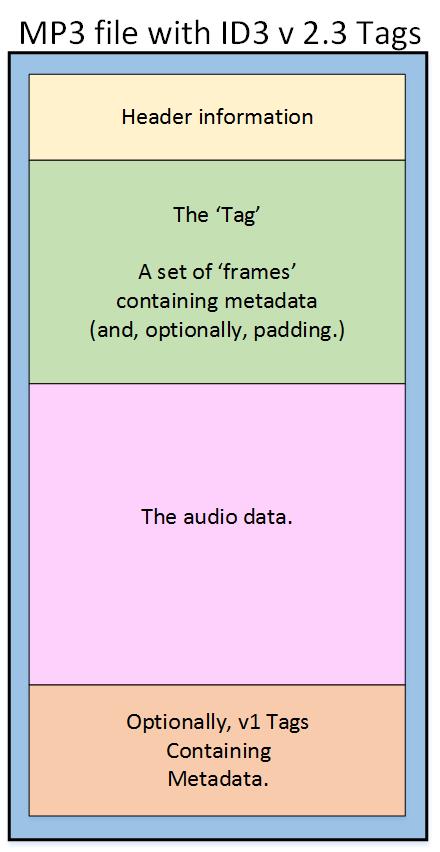
One of the most important aspects of MP3 songs is their ID3 tags. ID3 tags contain metadata that describe the audio file, such as the artist, album, track title, and year of release. They also include album art, lyrics, and other information that can be displayed on a music player. Understanding ID3 tags is crucial for organizing and playing your music library, as well as for maintaining the integrity of the audio file.
Some of the most important ID3 tags include:
Artist – The name of the artist who recorded the song
Title – The name of the song
Album – The name of the album the song is from
Year – The year the song was released
Genre – The musical genre of the song
Track Number – The position of the song on the album
By properly filling out ID3 tags, you can ensure that your music library is well-organized and that you can easily find the song you’re looking for.
Understanding Frequencies
Frequencies are another important aspect of audio playback that can greatly affect the sound quality of your MP3 songs. Frequencies are measured in hertz (Hz) and represent the number of vibrations per second that produce the sound wave. Different frequencies are responsible for different aspects of sound, such as bass, mid-range, and treble.
Understanding frequencies is important when it comes to equalization, or adjusting the levels of different frequencies to achieve a desired sound. For example, boosting the bass frequencies can make the song sound more “full” and “punchy,” while reducing the treble frequencies can make the song sound warmer and less harsh.
Understanding Equalizers
Equalizers are tools that allow you to adjust the levels of different frequencies in your MP3 songs. They come in many forms, from hardware devices to software plugins, and allow you to fine-tune the sound of your music to your liking. Equalizers can be adjusted manually or through presets, which are pre-configured settings that optimize the sound for specific genres or listening environments.
Equalizers can greatly enhance the sound quality of your MP3 songs, but they can also be misused. Overusing or improperly using an equalizer can result in a distorted or unnatural sound. It’s important to understand the technical aspects of equalization and to use it sparingly and judiciously.
Understanding Reverb and Delay
Reverb and delay are two of the most commonly used audio effects in music production, and for good reason. They can add depth, warmth, and dimension to the sound of your MP3 songs, making them sound more full and rich. Here’s a closer look at how these effects work and how they can improve the quality of your music:
Reverb
Reverb is a complex audio effect that simulates the sound of an audio signal bouncing off surfaces in a room. In real life, sound waves bounce off walls, ceilings, floors, and other objects, creating a rich and complex sound that is unique to that space. Reverb recreates this effect using digital signal processing, creating a realistic simulation of a room’s acoustics.
The use of reverb can help to create a sense of space and depth in your MP3 songs. It can make the music sound more natural and less flat, giving the impression that it was recorded in a real environment rather than a sterile studio. Reverb can also help to blend different tracks together, creating a cohesive sound that is pleasing to the ear.
When using reverb, it’s important to adjust the parameters carefully to achieve the desired effect. The amount of reverb applied can vary depending on the style of music, the type of instrumentation, and the intended mood of the song. Too much reverb can create a muddy or cluttered sound, while too little can sound dry and lifeless. It’s all about finding the right balance.
Delay
Delay is an audio effect that creates an echo-like effect by repeating the audio signal after a certain amount of time has passed. It’s similar to reverb in that it can add depth and dimension to the sound of your MP3 songs, but it creates a different type of effect. Rather than simulating the sound of a room, delay creates a repeating pattern that can be used to create a sense of space, rhythm, or texture.
There are many different types of delay effects, each with their own unique characteristics. For example, tape delay creates a warm and vintage sound, while digital delay is more precise and clean. Some delay effects can be synchronized to the tempo of the song, creating a rhythmic effect that can be used for creative purposes.
Like reverb, the use of delay requires careful adjustment to achieve the desired effect. Too much delay can create a cluttered and confusing sound, while too little can go unnoticed. It’s all about finding the right balance for the song.
Conclusion
Optimizing the sound quality of your MP3 songs requires a deep understanding of the technical aspects of audio playback. By using tools like equalizers, reverb, and delay, you can enhance the sound quality and create a more engaging listening experience for your audience. Remember to always use these effects in moderation and adjust the parameters carefully to achieve the desired effect.
Maximize Sound Quality: The Ultimate Mp3 Normalization Guide
Mp3 Normalizer
Let’s Learn About Mp3 Normalizer: An Overview
Mp3 Normalizer
Explanation of What Mp3 Normalization Is
Before diving into the specifics of Mp3 normalization, let’s take a moment to understand how sound works. Sound is a physical phenomenon that is created by vibrations that travel through a medium, such as air, and are picked up by our ears. Our ears then convert these vibrations into electrical signals that our brains interpret as sound.
When it comes to recording sound, we use microphones to capture these vibrations and convert them into an electrical signal that can be stored and played back. In the past, recordings were made on physical media, such as vinyl records or cassette tapes. Nowadays, however, most recordings are made digitally.
When sound is recorded digitally, it is captured as a series of numbers that represent the amplitude of the sound wave at different points in time. These numbers are then stored as a digital file, such as an Mp3. The amplitude of a sound wave determines its volume, with larger amplitudes producing louder sounds.
So, what is Mp3 normalization? In simple terms, Mp3 normalization is the process of adjusting the volume of an Mp3 file so that it plays at a consistent level. This can be achieved by adjusting the amplitude of the sound wave so that it does not exceed a certain level, known as the normalization level.
Importance of Normalizing Mp3 Files for Optimal Listening Experience
Now that we understand what Mp3 normalization is, let’s explore why it is important. Have you ever experienced the frustration of having to constantly adjust the volume while listening to music? Perhaps you turn up the volume to hear a quiet part of a song, only to be blasted by a loud part a few moments later.
By normalizing Mp3 files, we can avoid these volume fluctuations and ensure a consistent listening experience. Normalizing also helps to prevent distortion, which can occur when the volume of a sound wave is too high and clips the top or bottom of the waveform.
Brief Overview of the Benefits of Mp3 Normalization
Consistent volume levels for a better listening experience
Prevention of distortion
Ability to match the volume of different songs or recordings
In summary, Mp3 normalization is the process of adjusting the volume of an Mp3 file to ensure a consistent listening experience. It can help prevent volume fluctuations and distortion, and allows us to match the volume levels of different songs or recordings. In the following sections, we will explore Mp3 normalization in more detail and provide tips for achieving optimal results.
Before we dive into the different types of Mp3 normalization, it’s important to understand the basics of audio normalization. In essence, audio normalization refers to the process of adjusting the volume of an audio file to a standardized level, usually measured in decibels (dB).
One common method of measuring the level of an audio file is using root mean square (RMS) amplitude. RMS is a mathematical formula that calculates the average power of an audio signal. Essentially, RMS measures the amount of energy in an audio signal over a period of time, which helps determine the overall loudness of the audio file.
Decibels (dB) are another common unit of measurement for sound volume. Decibels are a logarithmic scale that measures the ratio between the sound pressure level of an audio signal and a reference level. This means that every 10 dB increase represents a tenfold increase in the sound pressure level. For example, an audio file with a volume level of 70 dB is ten times louder than an audio file with a volume level of 60 dB.
Another important unit of measurement for audio normalization is Loudness Units Relative to Full Scale (LUFS). Unlike decibels, which are based on the sound pressure level of an audio signal, LUFS measures the perceived loudness of an audio signal, taking into account the human ear’s sensitivity to different frequencies.
When it comes to normalizing audio, it’s important to measure the level of sound accurately. This is because different audio files can have different volume levels, and normalizing them to the same level ensures consistency and eliminates the need to adjust the volume manually when playing back a playlist of audio files.
Normalization is typically achieved through a process called gain adjustment, which involves increasing or decreasing the amplitude of an audio signal. This can be done manually or with the help of software. There are various types of normalization, such as peak normalization, RMS normalization, and true peak normalization, each with its own advantages and disadvantages.
Definition of Mp3 Normalization
Simply put, Mp3 normalization is the process of adjusting the volume of an Mp3 audio file to a standardized level. This is done to ensure consistency of volume levels across multiple audio files, particularly in cases where an Mp3 audio file has a different volume level than other files in a playlist or album.
How Mp3 Normalization Works
The process of Mp3 normalization typically involves analyzing the audio file to determine its peak level or RMS amplitude. This information is then used to adjust the volume of the audio file to a target level, usually measured in dB or LUFS.
One important thing to note is that Mp3 normalization is a lossy process. This means that the audio quality may be slightly reduced after normalization, particularly if the audio file is heavily compressed or if the normalization is performed at a high level. However, in most cases, the reduction in audio quality is negligible and the benefits of normalization outweigh the potential drawbacks.
Explanation of the Different Types of Normalization
There are several types of normalization that can be used for Mp3 audio files, each with its own advantages and disadvantages:
Peak normalization: This method adjusts the volume of an audio file so that its loudest peak is at a target level, usually 0 dB. However, this method doesn’t take into account the overall loudness of the file, so it may not be the most effective method for achieving consistency across multiple files.
RMS normalization: This method adjusts the volume of an audio file based on its RMS amplitude, which gives a more accurate measure of the file’s overall loudness. This method is generally considered to be more effective than peak normalization for achieving consistency across multiple files.
True peak normalization: This method takes into account inter-sample peaks, which can occur when digital audio is converted to an analog signal. By accounting for these peaks, true peak normalization can prevent clipping and distortion in the final output.
Advantages of Using Mp3 Normalization for Your Audio Files
Using Mp3 normalization has several advantages, including:
Consistency: Normalizing your audio files to a standardized level ensures that they will all have the same volume level, which can be particularly helpful when playing back a playlist or album.
Improved listening experience: When audio files are at a consistent volume level, listeners won’t need to constantly adjust the volume when switching between files.
Protection from clipping: Clipping occurs when an audio signal exceeds the maximum level that can be represented by the digital system. Mp3 normalization can help prevent clipping by reducing the overall volume of the audio file.
Better compression: Normalizing an audio file can improve its compression efficiency, resulting in a smaller file size without sacrificing quality.
Overall, Mp3 normalization is an effective way to ensure consistent volume levels across multiple audio files, resulting in a better listening experience for the audience. By understanding the different types of normalization and the units of measurement involved, audio professionals and enthusiasts can effectively optimize their audio files for various applications.
Normalization with Audio Compression
Normalization with audio compression is a method that combines normalization and audio compression to ensure that there are no passages of low volume. This method is commonly used in radio stations, television channels, and live concerts, where the aim is to make sure that all sounds, from the lead singer’s whisper to the sound of the drums, are clearly heard by the audience.
For example, let’s say you have an audio file of a live concert. The volume levels of the different instruments and vocals may vary throughout the recording. If you normalize the file without compression, the volume of the quieter parts may increase, but the louder parts may become too loud and distorted. However, by using audio compression, you can ensure that the volume of the entire recording is consistent and that no parts are too loud or too quiet.
Replay Gain
Replay Gain is a method of audio normalization that adjusts the volume levels of an audio file to a consistent level without altering the dynamic range. Unlike audio compression, Replay Gain does not compress or expand the audio’s dynamic range, which preserves the original sound quality of the recording.
Replay Gain analyzes the audio file’s volume levels and applies a gain adjustment to bring the overall volume to a specified target level. The adjustment is applied uniformly across the entire file, which helps to maintain the audio’s balance and clarity.
For example, if you have an audio file with a very quiet intro and a very loud chorus, Replay Gain will adjust the volume of the entire file to a target level, ensuring that the intro and chorus are both at an optimal volume level without distorting the dynamic range of the recording.
Replay Gain can be especially useful for creating consistent playback levels across different audio tracks in a playlist, as well as for reducing the need to constantly adjust the volume during playback.
Converting Audio and Video Formats
Mp4Gain can also be used as a format converter, allowing you to convert audio and video files from one format to another. This can be useful if you have a file that is not compatible with your media player or if you want to reduce the file size.
Extracting Audio from Video
If you have a video file with an audio track that you want to use separately, Mp4Gain can also extract the audio from the video file and save it as a separate audio file.
Common mistakes to avoid when normalizing audio files
When normalizing audio files, there are some common mistakes that you should avoid:
Normalization with too much audio compression: Too much audio compression can make your audio sound unnatural and distorted.
Normalization with too little audio compression: Too little audio compression may result in inconsistent volume levels and passages of low volume.
Normalization with incorrect settings: Make sure to choose the right normalization settings for your audio file to ensure optimal sound quality.
How to test your audio files after normalization to ensure optimal sound quality
After normalizing your audio files, it is important to test them to ensure optimal sound quality. You can do this by:
Listening to the file: Listen to the normalized filewith different audio devices, such as headphones, speakers, or car audio systems, to make sure it sounds good on all of them.
Checking the waveform: Use a waveform viewer to check the waveform of the normalized audio file. The waveform should be consistent and not have any clipping or distortion.
Comparing with the original file: Compare the normalized file with the original file to make sure that the changes made during normalization do not negatively affect the quality of the audio.
V. Conclusion
Mp4Gain is a versatile software that can help you improve the sound quality of your audio and video files. Whether you need to normalize the volume levels of your audio files, convert audio or video formats, or extract audio from video files, Mp4Gain has got you covered. With its user-friendly interface and powerful features, Mp4Gain is a great tool for anyone who wants to achieve optimal sound quality for their media files.
By using the tips and tricks mentioned in this article, you can ensure that your audio files are normalized correctly and sound great on any device. Remember to avoid common mistakes when normalizing
The Benefits of Mp3 Normalization: Final Thoughts
Overall, Mp3 normalization is an effective way to improve the quality of your audio files. By adjusting the volume levels to a consistent and optimal level, you can enhance the listening experience and avoid the need to constantly adjust the volume.
However, not all normalization software is created equal. While there are many options available, Mp4Gain is a modern normalizer that is designed to provide consistent, high-quality sound across a variety of devices and listening environments.
In today’s world, many people listen to music on their smartphones, tablets, and computers, often with headphones or earbuds. Additionally, many headphones have noise-cancelling features, while others do not. The headphones that cancel outside noise work by using a microphone to detect the sound waves and creating an opposite sound wave to cancel it out. This can affect the sound quality of the music and make it difficult to achieve consistent volume levels. Some headphones also have a frequency response curve that can make certain frequencies louder or quieter, which can also affect the sound quality of the music.
With Mp4Gain, you can rest assured that your music will sound great no matter where you listen to it. The software is designed to adjust the volume levels while maintaining the dynamic range of the original recording and taking into account the frequency response curve of the headphones, so that the music sounds just as good on a phone as it does on a high-end stereo system.
Whether you’re listening in a noisy environment or a quiet one, with or without noise-cancelling headphones, Mp4Gain’s normalization process will ensure that the sound is consistent and optimal. So why wait? Start normalizing your Mp3 files with Mp4Gain today and experience the difference in sound quality!
udio files, choose the right normalization settings, and test your files after normalization to ensure optimal sound quality.
Try out Mp4Gain today and experience the difference in sound quality for yourself!
MP3: Understanding the Pros and Cons of this Popular Audio Format
MP3
Have you ever heard of MP3 before? It’s a type of audio file that many people use to store and listen to music. But what exactly is an MP3 and what makes it different from other audio formats? In this article, we’ll explore the pros and cons of using MP3 for your audio files, so you can make an informed decision about the best format for your needs.
Mp3
What is MP3?
MP3 stands for MPEG-1 Audio Layer 3. It’s a type of audio compression that allows you to reduce the size of an audio file without sacrificing too much of the sound quality. This makes it possible to store more music on your computer or device, or to send audio files over the internet more quickly and easily.
The Pros of MP3
There are many reasons why people choose to use MP3 for their audio files. One of the biggest advantages is its wide compatibility. MP3 is a widely-used format that can be played on a large number of devices, including computers, smartphones, and portable music players. This makes it a great choice for sharing music with friends and family, or for listening to your music on the go.
Another advantage of MP3 is its small file size. Because the audio is compressed, MP3 files are much smaller than other audio formats like WAV or AIFF. This means you can store more music on your device, or send larger audio files over the internet without having to worry about running out of space or taking too long to download.
The Cons of MP3
Despite its popularity and advantages, there are also some downsides to using MP3 for your audio files. One of the biggest disadvantages is the loss of sound quality that comes with compression. Although MP3 does a good job of preserving most of the sound quality, it does sacrifice some of the finer details and nuances that you might hear in other formats.
Another issue with MP3 is that the format is not suitable for professional audio production. If you’re a musician or audio engineer, you’ll want to use a higher-quality format like FLAC or WAV that doesn’t compress the audio and allows you to capture all the details of your recordings.
The Bottom Line
In conclusion, MP3 is a popular and widely-used audio format that is great for storing and sharing music. With its small file size and wide compatibility, it’s a convenient choice for many people. However, it’s important to be aware of the downsides, including the loss of sound quality and the limitations for professional audio production.
If you’re looking for the best solution for your audio needs, consider using Mp4Gain. It’s a reliable and high-quality tool that can help you optimize your audio files and get the most out of your music collection.
We have already explained extensively in other articles that there are several reasons that generate this need, not only in mp3 and files of other audio formats, but also in mp4 (also videos of other formats)
As a summary I will give you some of the reasons:
1.- Audio and video files are encoded “domestic” by enthusiastic users who don’t fully understand what their settings choices impact, like bitrate, for example.
That is, any person with the best will decides to encode a video or audio in the preferred format and uses any encoding software and randomly chooses the settings that seem most appropriate to the eye or that generate a smaller file.
2.- In the end we have a mixture of audio and video files, each one encoded with good will but with very different settings choices.
The result is that not only the volume is different: they sound different in nuances, colors, etc.
Already the fact that they use different formats and that some are lossless and others are not, etc. generates a wide difference in the volume level and in general in the quality of the audio.
Mp4Gain emerges as the option that is capable of treating all these files, be they audio, video or both, and makes them all sound with the same volume intensity.
Mp4Gain is definitely the professional solution, which is also very simple to use: just click a button.