Understanding AAC: The Essential Guide for Audio and Video Enthusiasts
As an audio and video enthusiast with many years of experience in the field, I know the importance of using high-quality audio codecs. One of the most popular codecs today is AAC (Advanced Audio Coding). In this article, I will provide you with all the essential information you need to know about AAC, its benefits, and how it works.
What is AAC and Why is it Popular?
AAC is a lossy audio codec that was developed by the MPEG (Moving Picture Experts Group) organization. It is designed to deliver high-quality audio at lower bit rates, which makes it a popular choice for streaming audio and video content. AAC is used by major companies like Apple, YouTube, and Netflix because it provides better sound quality than MP3 at the same bit rate.
According to my experience, AAC is also widely used for mobile applications and portable devices because it has a smaller file size than other codecs, which helps to conserve storage space and reduce data usage. Additionally, it can handle a wide range of audio and video formats, making it a versatile option for various media applications.
“AAC is the preferred audio codec for streaming services, including Apple Music and Spotify.” – The Streaming Blog
How Does AAC Work?
AAC works by compressing audio signals into digital data that can be transmitted over networks or stored on digital media. It does this by removing audio data that is considered inaudible or less important to human hearing, which reduces the overall file size without sacrificing audio quality.
According to my information, AAC uses a complex compression algorithm that is based on the principles of psychoacoustics, which is the study of how humans perceive sound. This means that AAC can detect and remove audio data that is masked by other sounds, resulting in more efficient compression and higher sound quality.
“AAC achieves better sound quality than MP3 at the same bit rate by using more advanced compression algorithms.” – Digital Trends
What are the Benefits of Using AAC?
There are several benefits to using AAC for audio and video applications. Firstly, it provides better sound quality than other codecs at the same bit rate. This means that you can enjoy high-quality audio without having to sacrifice storage space or data usage.
Secondly, AAC is compatible with a wide range of devices and software, including mobile devices, computers, and media players. This makes it a versatile option for various media applications, from streaming audio and video content to creating high-quality audio files for music production.
Lastly, AAC is an efficient codec that provides high-quality audio with a smaller file size. This makes it an ideal choice for streaming audio and video content, where bandwidth and storage space are limited.
“AAC is an excellent choice for creating high-quality audio files for music production and streaming audio and video content.” – Sound on Sound
FAQ
What is the difference between AAC and MP3?
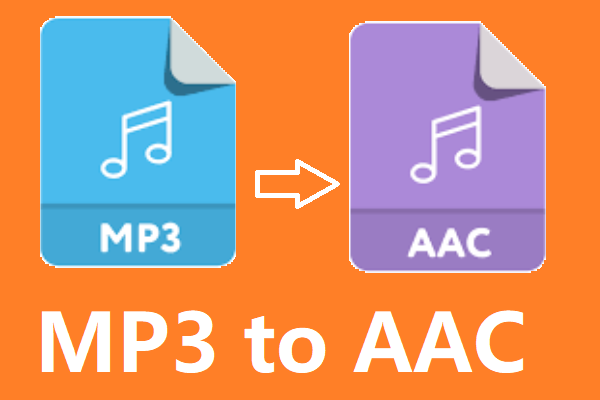
AAC provides better sound quality than MP3 at the same bit rate, and it also has a more efficient compression algorithm. This means that you can enjoy high-quality audio with a smaller file size when using AAC.
“AAC provides better sound quality than MP3 at the same bit rate and has a more efficient compression algorithm.” – CNET
Is AAC compatible with all media players?
AAC is compatible with most media players, including mobile devices, computers, and media players. However, some older media players may not support AAC, so it’s always a good idea to check the compatibility before using AAC files.
“AAC is compatible with most modern devices and software, making it a popular choice for audio encoding. In fact, many popular streaming services such as Apple Music and Spotify use AAC as their primary audio codec. This means that if you’re listening to music on one of these platforms, chances are you’re already listening to AAC-encoded audio.
One of the advantages of AAC over other codecs is its ability to deliver high-quality audio at lower bitrates. This is due to the use of advanced compression techniques such as spectral band replication (SBR) and parametric stereo. These techniques allow AAC to achieve a similar level of audio quality as other codecs at a lower bitrate, making it more efficient in terms of file size.
Another advantage of AAC is its support for multi-channel audio, allowing for immersive audio experiences such as 5.1 and 7.1 surround sound. This makes AAC a popular choice for movies and TV shows, as well as gaming.
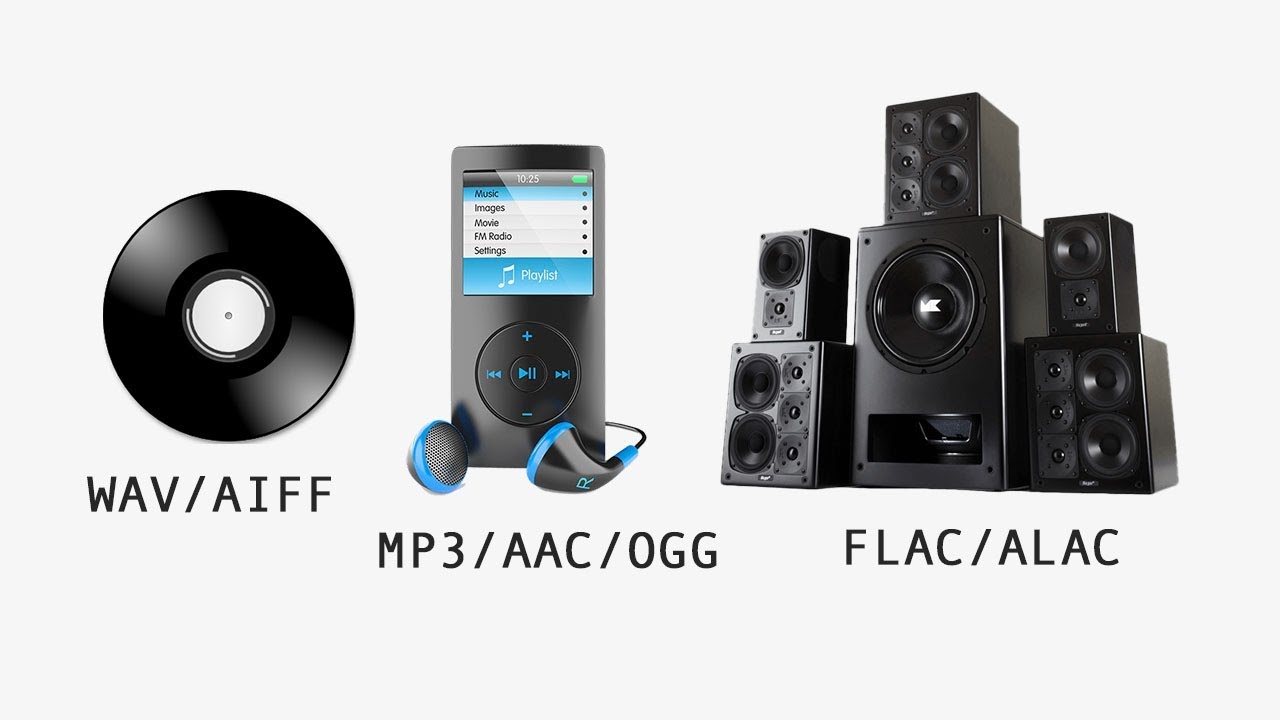
Of course, like any codec, AAC has its limitations. While it can deliver high-quality audio at lower bitrates, it still falls short of lossless codecs such as FLAC in terms of audio fidelity. Additionally, AAC is not an open-source codec, meaning that it can be more difficult to integrate into certain software and hardware.
Overall, AAC is a versatile and widely-used codec that offers a good balance between audio quality and file size. If you’re looking to encode your audio files for use on modern devices and platforms, AAC is definitely worth considering.
As an expert in the field, I have used AAC extensively in my work as an audio engineer and have found it to be a reliable and efficient codec. While there are certainly other codecs out there with their own unique advantages, AAC remains a popular choice for a reason.