Hardware for processing digital audio – Part 3

A MIDI synthesizer is a synthesizer that meets the requirements of the standard that we will now talk about. MIDI is a generally accepted specification related to the organization of a digital interface for musical devices, which includes a standard for hardware and software.
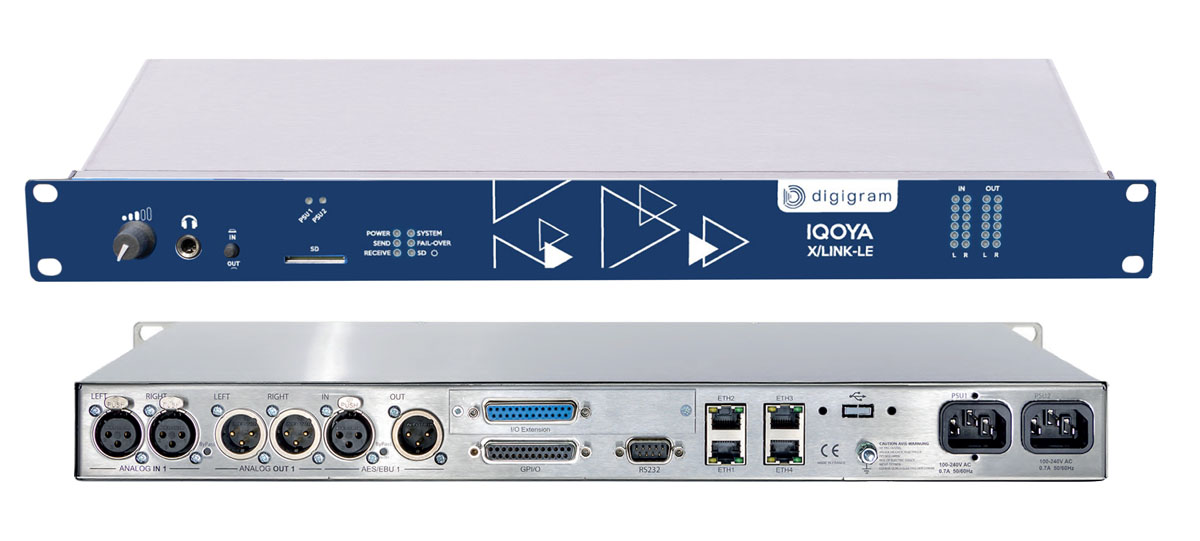
This specification is intended to organize a local area network of electronic instruments (Fig. 7). MIDI devices include a variety of musical instruments and hardware that meet MIDI requirements. Therefore, a MIDI synthesizer is a musical instrument, generally intended to synthesize sound and music, and also conforming to the MIDI specification. Let’s briefly see why there is a separate class of devices called MIDI.
The fact is that the implementation of sound processing software is often associated with drawbacks due to various technical characteristics of this process. Even leaving sound processing operations on a sound card or any other equipment, many different problems remain. First, it is often desirable to use hardware synthesis of musical instrument sounds (at least because a computer is too general an instrument, often only a hardware sound and music synthesizer is needed, nothing more). Second, software sound processing is often accompanied by time delays, while concerted work requires instantaneous reception of the processed signal. For these and other reasons, they resort to the use of special equipment for processing, and not computers with special programs. However, when using equipment, there is a need for a single standard that allows devices to connect to each other and combine. It was these prerequisites that led several leading companies in the musical equipment field to approve the first MIDI standard in 1982, which was subsequently continued and continues to this day. What, ultimately, is a MIDI interface and the devices included in it from a personal computer’s point of view?
Hardware: These are installed on the sound card: a synthesizer of various sounds and musical instruments, a microprocessor that controls and controls the operation of MIDI devices, as well as several standardized connectors and cables for connecting additional devices.
Programmatics is a MIDI protocol, which is a set of messages (commands) that describe various functions of the MIDI system and with which communication (information exchange) between MIDI devices takes place. The messages can be considered as a means of remote control.
The scope of this article does not allow us to delve into the description of MIDI in particular, it should be noted, however, that with respect to sound synthesizers, MIDI sets strict requirements for their capabilities, the sound synthesis methods used in them. , as well as for the synthesis control parameters. Furthermore, in order for music created on one synthesizer to be easily transferred and played successfully on another, several standards have been established for the matching of instruments (voices) and their parameters on various synthesizers: the General MIDI (GM) standard, General Synth (GS) and eXtended General (XG). The basic standard is GM, the other two are its logical extensions and extensions.