Audio files, which is better?
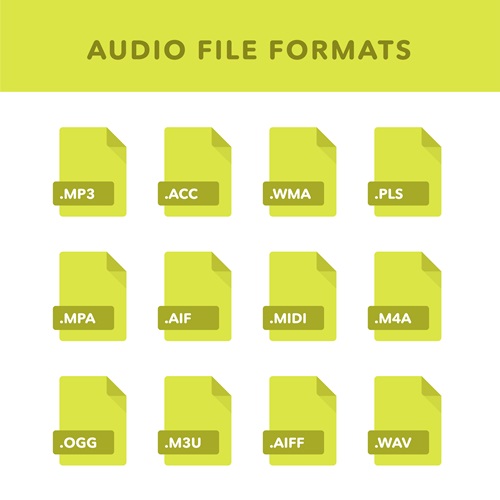
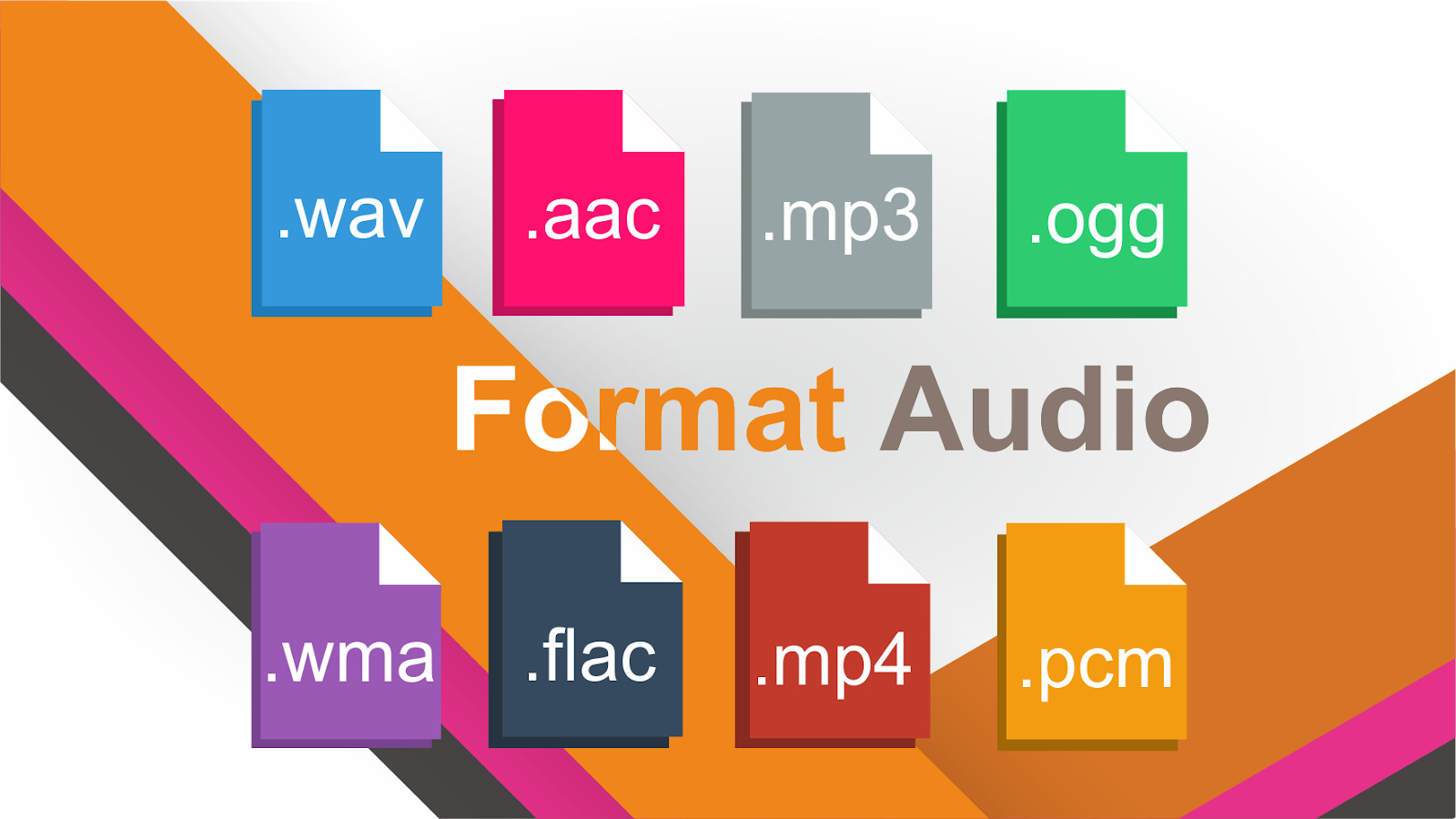
There are various types of audio files on the market today, and even though we are all familiar with MP3, what about AAC, FLAC, OGG or WMA?
Audio File Format: AIFF
AIFF stands for Audio Interchange File Format. Just like Microsoft and IBM developed WAV for Windows, AIFF is an audio file format developed by Apple in 1988 for Mac systems.
Like WAV files, AIFF files can contain a variety of audio formats. For example, GarageBand and Logic Audio use a compressed version called AIFF-C and another called Apple Loops. They all use the same AIFF extension.
Most AIFF files contain uncompressed audio in the PCM format. AIFF files are simply wrappers around the PCM encoding to make them more suitable for use on Mac systems. However, Windows systems can usually open AIFF files without any problems.
Lossy Compressed Audio Format
Lossy compression is when some data is lost during the compression process, compression is important because uncompressed audio can take up a lot of disk space.
In other words, lossy compression means sacrificing sound quality and audio fidelity for smaller file sizes. Done wrong, you’ll hear artifacts and other strange sounds in the audio. But when done right, you won’t notice the difference.
Audio File Format: MP3
MP3 stands for MPEG-1 Audio Layer 3. Released in 1993, it exploded in popularity and eventually became the most popular audio format for music files in the world. There’s a reason we have “MP3 players” instead of “OGG players”!
MP3 has three main purposes:
1. Delete all sound data that exists outside the hearing range of normal people.
2. Reduce the quality of sounds that are not easily heard.
3. Compress all other audio data as efficiently as possible.