Audio sampling


Free Download Mp4Gain
picture

Audio sampling


Audio sampling


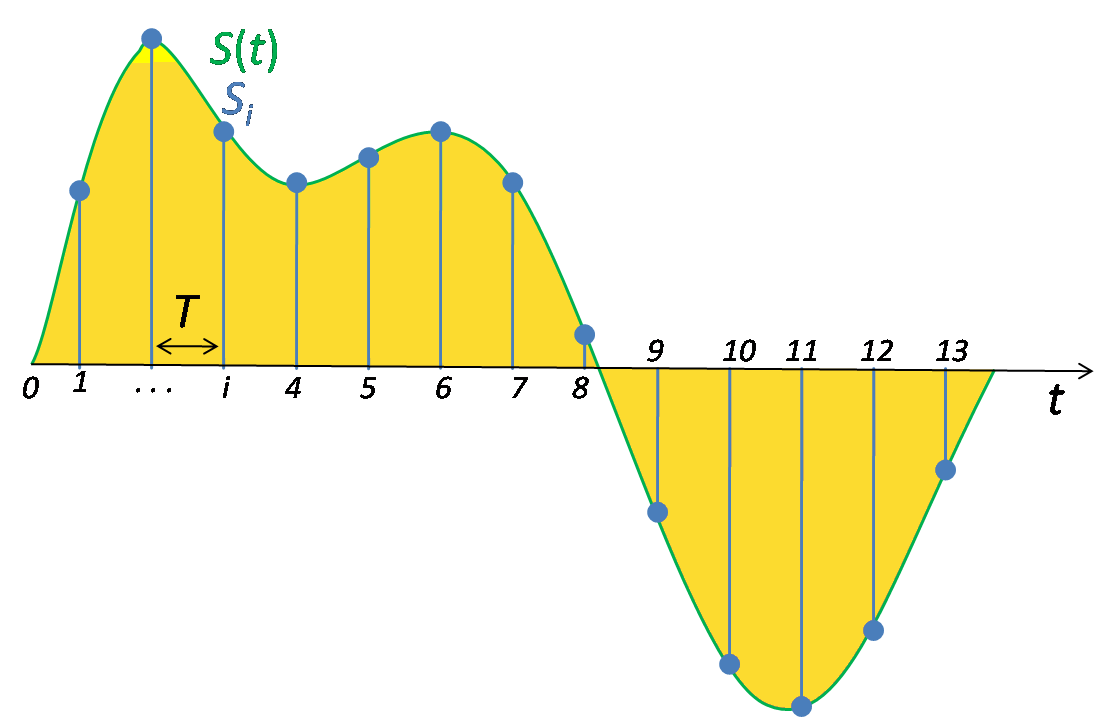
Digital audio uses pulse code modulation (PCM) and digital signals to reproduce sound. This includes analog-to-digital conversion (ADC), digital-to-analog conversion (DAC), storage and transmission.
Audio Sampling


Essentially, a system commonly referred to as digital is actually a discrete time analog to the discrete level of the previous electrical counterpart. While modern systems can be quite subtle in their techniques, the primary utility of a digital system is the ability to store, retrieve, and transmit signals without loss of quality.


Sampling rate


The most common unit of measure for sample rate is Hz, which stands for Hertz and stands for “counts per second.” For example, 48 kHz is 48,000 samples per second. When it is necessary to capture sound that covers the entire 20-20,000 Hz human hearing range, such as when recording music or many types of acoustic events, sound waves are typically sampled at 44.1 kHz (CD), 48 kHz, 88.2 kHz or 96 kHz.


The approximately double bet requirement is a consequence of the Nyquist theorem. Sampling rates greater than 50 kHz to 60 kHz may not provide more useful information for listeners. For this reason, the first manufacturers of professional audio equipment chose sample rates in the 40 to 50 kHz range. There is a trend in the industry to use sample rates well above the basic requirements, such as 96 kHz and even 192 kHz. Although ultrasonic frequencies are not audible to humans, recording and mixing at higher sample rates is effective in eliminating distortion that can be caused by fallback aliasing. In contrast, ultrasonic sounds can interact and modulate the audible part of the frequency spectrum (intermodulation distortion), which affects fidelity.


One of the benefits of higher sample rates is that they can ease the low-pass filter design requirements for ADCs and DACs, but with modern sigma-delta converters with oversampling, this advantage is less significant. The Society of Sound Engineers recommends a sample rate of 48 kHz for most applications, but recognizes up to 44.1 kHz for CD and other consumer applications, 32 kHz for broadcast applications, and 96 kHz for higher bandwidth or dimmed. anti-aliasing filtering.


Both Lavry Engineering and J. Robert Stuart state that the ideal sample rate should be around 60 kHz, but since this is not the standard sample rate, 88.2 or 96 kHz is recommended for recording.


The PCM adapter will match digital audio samples to an analog video channel, such as PAL videotape with 3 samples per line, 588 lines per frame, 25 frames per second. 47 250 Hz the world’s first commercial PCM voice recorder from Nippon Columbia (Denon) 48000 Hz The standard audio sampling rate used by professional digital video equipment such as tape recorders, video servers, video switchers, etc.


This rate was chosen because it could recover frequencies up to 22 kHz and handle NTSC video at 29.97 frames per second with 25 fps, 30 fps and 24 fps systems. Systems operating at 29.97 frames per second need to process 1601.6 audio samples per frame, providing an integer number of audio samples for just every fifth frame of video. It is also used for audio in consumer video formats such as DV, digital TV, DVD, and movies. Professional Serial Digital Interface (SDI) and Serial Digital Interface High definition signals (HD-SDI) used to connect television broadcasting equipment use this audio sampling rate. Most professional audio equipment uses 48 kHz sampling, including mixing consoles and digital recorders. 50,000 Hz The first commercial digital audio recorders of the late 70’s from 3M and Soundstream. 50 400 Hz The sampling frequency used by the Mitsubishi X-80 digital audio recorder. 64000 Hz Not used frequently, but supported by some hardware and software. 88,200 Hz The sampling frequency used by some professional recording equipment when the destination is a CD (multiple of 44,100 Hz).


Some professional audio equipment uses (or may opt for) 88.2 kHz sampling, including mixers, EQs, compressors, reverbs, crossovers, and recorders. 96000 Hz DVD-Audio, some LPCM DVD tracks, BD-ROM (Blu-ray Disc) audio tracks, HD DVD (High Definition DVD) audio tracks. Some professional recording and production equipment may choose 96 kHz sampling. This sample rate is twice the standard 48 kHz.


Free Download Mp4Gain
picture


Mp4Gain Main Window
picture


Mp4Gain Features
picture


Free Download Mp4Gain
picture

How to get a good sound for YouTube?

How to get a good sound for YouTube?

Good sound for Youtube

YouTube is the most popular video hosting service, but the public does not enjoy all the videos it contains. One of the main differences between great content and absolutely weak content is the sound quality, because users not only watch the video, they also listen.

Youtube good sound

Even an interesting video with a compelling story can be ruined by poor audio. All preparation efforts will be canceled. Celebrities can be forgiven for such a situation, but only once. How to avoid poor audio on YouTube? Find out in the djshop.by article!

Get ready to record
Prepare for the process before hitting the record button. Think carefully about what and how you will shoot: where the sound will come from, will it move, etc. If your audience can forgive inaccuracies in sound when filming live sets, then poor-quality recording with post-production can thwart all plans for views and clicks.

Use a good microphone
The microphones built into the cameras (with rare exceptions) are not good enough. They are good for syncing audio, but it is best to record the main track separately. The choice of microphone for recording depends on the usage situation. Below are some scenarios and the corresponding microphone types.

Live sound recording

A quick and easy solution to recording live sound is to mount a pair of omni-directional microphones to the sides, in front of the speakers, and above the crowd. With this microphone arrangement, you can remove the signal from the stage and fix the presence of the audience, get the atmosphere of a live show.

Buy omni-directional microphone>

Tip: Depending on the venue, the sound may not always come only from the speakers. The trick is to find the perfect balance between the air conditioning and the sound from the stage. Choosing the best way to position your microphones takes some practice.

Solo performance

If you want to record your own performance, regardless of the instrument, the principles of studio recording work. The acoustic preparation of the room has a great influence. Don’t be discouraged if you don’t have your own quality insulated studio. A living room in an apartment can be ideal for recording. Upholstered furniture, bookshelves, and curtains can handle reflections from signals very well. Places with large reflective surfaces, such as empty walls, windows or mirrors, should be avoided.

In solo recording, the sound selection technique is of particular importance. Installing the microphone close to the signal source is the best way to attenuate the noise in the room and keep the direct signal-to-noise ratio as high as possible. Also, a cardioid microphone is not always the right solution.

Tip: If your microphone has multiple diagrams, try using a bidirectional figure of eight. It almost completely blocks reflections on the sides of the microphone.

Buy bidirectional microphone>

Voice-over and voice-over recording

This process is often used when preparing YouTube videos. Any high-quality dynamic transmission microphone is suitable for voice performance: Rode PodMic, Shure SM7B, or Sennheiser MD 421-II. One of the advantages of dynamic microphones is that they pick up a sound source directly in front of them. This way, you don’t have to worry about room acoustics.

Rode PodMic broadcast microphone

Buy broadcast microphone>

A shotgun microphone can also be used for recording. Such a microphone also provides the necessary noise isolation, while they can be used at a sufficient distance from the signal source.

And one of the most common options is USB microphones. They generally provide both radiation pattern switching and required insulation. And most importantly, they connect directly to a PC.

Buy USB microphone>

But don’t just rely on the mic. Spoken text should be crafted until it sounds natural; Nobody likes it when they hear someone reading, but they don’t say it themselves.

Hide the microphone
The audience doesn’t need to see your microphone. This is where grommets and pistol microphones come in handy. They are relevant for voice / speech recording. They are hardly suitable for hidden tool removal. It’s best to use the direct output of a combo, synth, etc.

Lavalier microphone

If you want the most discreet microphone possible, the obvious choice is a lavalier. They are easy to hide in clothes, they do a good job with the main task – sound capture. Lavalier microphones are almost always omni-directional.

What is the sample rate? What is bit depth?

What is the sample rate? What is bit depth?

Bit Depth


Audio sample rate and bit depth – simple and understandable language

bit depth

Even if you are not dealing directly with digital sound recording, you will be interested!

Are you new to the world of digital music? Not sure what all these designations and complex numbers mean?

Hmm, no wonder! After all, every day there is more and more information. And knowing everything is almost impossible.

Yes, this is not necessary! You need to know the essentials.

Sample rate and bit depth are sound engineering concepts that you should know if you decide to make music in a computer environment.

Even if you haven’t had to record music in a virtual environment yet, but have dealt with audio (be it on a portable digital player, a player on a computer, or elsewhere), you may have seen some numbers in the properties of audio: “16 bit, 24 bit, 44100 Hz, 48000 Hz …”

The material is presented briefly and is accessible even to the uninitiated. Just the essentials.

So what are sample rate and bit depth? What is it for?

To begin with, that in different sources you can find: Sample rate and Sample rate. The abbreviations are equivalent. Call it what you like the most.

And bit and bit depth. It’s the same, the same, it just sounds different.

So.

Sampling frequency …

All inanimate music (music produced by a computer, music center, etc., that is, not live) has this parameter. This is the number of samples per second. Without going into details, I will say that 44100 Hz is optimal for humans. Since at a higher value, the sounds to be sampled will be practically inaccessible to our ears, we simply won’t hear them, because they will be out of earshot.

Discrete means discontinuous. That is, the sampling process is the processing of each bit of information one by one (that is, discretely and not all at once). In our case, this happens 44100 times per second. By Nyquist’s theorem, the required sampling rate for normal perception should be twice the hearing threshold. Since an average person listens up to 16 KHz (KiloHz or 16000 Hz), and something (normal for a healthy young person) up to 20 KHz, the sampling frequency was determined at 44.1 KHz (44100 Hz), that is, twice the threshold. audibility of the human ear. Why not 40 kHz (40,000 Hz)? Taken with margin (nobody canceled errors and noise on the route and after the CD release).

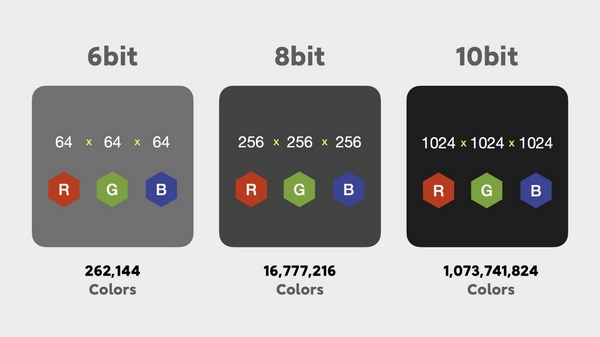
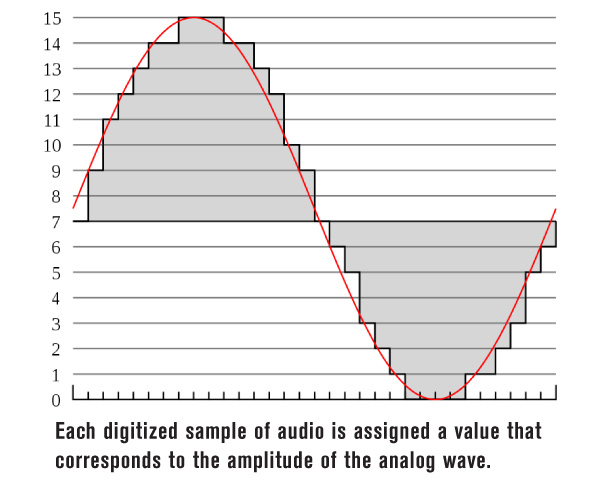
Bit depth is a kind of resolution of these same samples. Why am I calling this permission? Just so you prefer to understand by analogy what is what.

Grab your monitor – the higher the resolution, the better the picture, right? At low resolution you will see individual pixels and the eye will no longer be happy as before. I smile

Bitness is dynamic range – that is, the oscillation of your audio up and down (in terms of volume, power, so to speak), the nuances of performance.

The higher the audio bit rate, the more space the audio will occupy on your hard drive (on your computer); keep in mind.

For projects that are important to you, I advise you to use 24 bits and a sample rate of 48000 Hz. THIS IS A STANDARD. Then, for CD output, it will be possible to downgrade the data to 16 bits and 44.1 kHz.

But some people prefer to work in 24/96 (24 Bits – bit depth, 96 KHz – sample rate) or 24 / 88.2. The taste and the color …

For most projects, 16 / 44.1 is adequate (16 bit – bit depth, 44100 Hz is equivalent to 44.1 KHz – sample rate).

Sample rate and bit depth go directly next to each other and never go together. That is their destiny. They are friends in life, I smile

For the most boring and for those who find it quite difficult, I will explain again. Let me give you an analogy with a camera and images:

The sample rate is the number of photos you can take per second …

Audio sample rate and bit depth – simple and understandable language

And Bitness is the quality they will have …

Audio sample rate and bit depth – simple and understandable language

It is quite simple. At first, all of these sound engineering terms and expressions are misleading. I remember it and I know it.

Which video format is the best?

Which video format is the best?

Video Format

At the moment, you have a large number of different options for storing and presenting information. There are many different video formats, each with unique characteristics. And although a modern video converter supports many formats at the same time, you must first find out which video format is better.

video formats

To convert any information into digital form, special programs are used – codecs. They create a special file – a container in which all the data is stored. You should not confuse these concepts, as they mean fundamentally different things.

A codec is a special computer program that converts a stream of data or a signal for later use. Codecs transform the information available to store it more optimally and compactly. In this case, the main structure of the file (container) remains the same, only the way the data is presented changes. The most popular codecs for video recording are: DivX, XviD, MPEG2, H.264, etc. If you decide to record a movie or, for example, create a slide show online, you must decide which video codec to use. Familiarity with the main codecs will help you determine which video format is best.

XviD is a modern MPEG4 codec. Allows you to obtain high definition images in dynamic scenes. Therefore, when choosing a codec, proceed from the characteristics and characteristics of the video file itself. This will allow you to understand which video format is best for a particular case. Unlike DivX, XviD is free software released under the GNU license.

DivX is one of the most popular video codecs. Provides high-quality images. The files converted with this codec are small and can be viewed on almost all modern DVD players. As of the fifth version, you paid for encoding.

H.264. Compared to the two previous video codecs, H.264 is more efficient and offers higher compression rates without compromising on quality. However, as a general rule, this codec is not available on the computer initially and must be installed additionally.

MPEG2 is a popular video standard that is actively used in digital television to provide high-speed information transmission. In addition, the MPEG2 codec is used when recording DVD discs, as well as in video compression systems.

On the Internet, you can find compressed files using a wide variety of codecs, both popular and rare. Quick and convenient it will allow you to open and convert videos of any format.

The codecs then convert the information into a special file called a container. A container is a kind of shell in which the information converted by codecs is stored digitally. The container structure is heterogeneous and includes several components: video stream, audio stream, various additional information (file information, titles, etc.). Therefore, the container itself cannot convert information, it only serves to store it. The most common containers are AVI, TS, MP4, MKV. Let’s look at some of them in more detail to answer the question, which video format is the best?

Video formats and video standards

Video formats and video standards

Video file formats

First, let’s decide the video standards. They should be taken into account when creating a video movie or video.

Video formats

PAL and NTSC standards
PAL is a video standard for analog color television used in Europe and Russia: 720×576 video size, 25 fps (25 frames per second).

NTSC is a standard for analog color television, developed in the USA, with a resolution of 720×480, 29.97 fps.

There is also the SECAM standard developed in France.

When creating a video in the editing program, converting it, burning it to a disc, make sure that the PAL standard is selected in our settings (if you live in Europe). Learn more about video standards.

At the time of writing this article (2010) this was very relevant, but now analog television is actively being replaced by digital and will soon be completely supplanted.

VHS – Analog Video is the format of video tapes, which was (and still is) seen on the VCR.

DV (Digital Video) is a video format jointly developed by the world’s leading video companies for digital recording. This format has a low video compression ratio (5: 1) and provides high quality video recording. In this format, video is recorded with MiniDV cameras.

The DV format is characterized by a large video stream and consequently has a large output video file. An hourly recording on a MiniDV cassette will have a volume of approximately 12-13 GB, or 1 minute – 200 MB.

The resulting video must be compressed for later viewing on a computer, projector, DVD player, on the Internet. Those. From the resulting high-quality video, we can obtain any format we need with the appropriate quality.

Attention! It should not be confused with the DVD (Digital Video Disc – DVD), a disc with digital information, what we call in the life of the DVD-ROM.

AVCHD – high definition video format, means: advanced video coding – advanced video coding, HD – high definition – high definition. This is the most modern format used in HD cameras. More >>

Compression standards
MPEG is one of the main compression standards. The abbreviation MPEG (Moving Pictures Expert Group) is the name of the international committee that develops this compression standard. Its varieties:

MPEG-1 – a compression format for compact discs (CD-ROM). The video quality is the same as that of a normal VCR, the resolution is 352×240, a disc with a movie in this format is usually designated as VCD (VideoCD). It is rarely used now.

MPEG-2 is a format for DVD, digital television. In this format, video is recorded with DVD, HDD and Flash cameras.

MPEG-3: not currently used. Do not confuse it with MP3 (MPEG Audio Layer 3) – audio compression technology.

MPEG-4 is a format obtained using the popular DivX, XviD, H.264, etc. codecs. It is often simply called MP4. It reduces the video stream even more than MPEG-2, but the picture is of decent quality, so this format is compatible with most modern DVD players. Of particular note is the high-quality video compressed with the latest-generation H.264 codec.

Yandex.Direct
Free Vov Sirus server
Unique content. Promotions for beginners. More than 15,000 online. Ahead!
Learn more
sirus.one
18+

HD (high definition) is a high definition format, a new format for high definition images. Currently, two varieties are used: with a resolution of 1280×720 and 1920×1080, both are designed for a frame with an aspect ratio of 16: 9 and a square pixel.

There is also the so-called anamorphic version of HD video with a resolution of 1440 x 1080 and an aspect ratio of 16: 9, which is explained by a rectangular pixel (1.33 aspect ratio).

Recently, most consumer cameras have been recording in HD format based on the MPEG-2 codec. The video quality is high, but to watch HD videos, you need to have the appropriate display equipment (for example, an LCD or plasma TV with a large diagonal), otherwise you will not be able to appreciate the video quality (watch and edit HD videos).).

Video file extensions
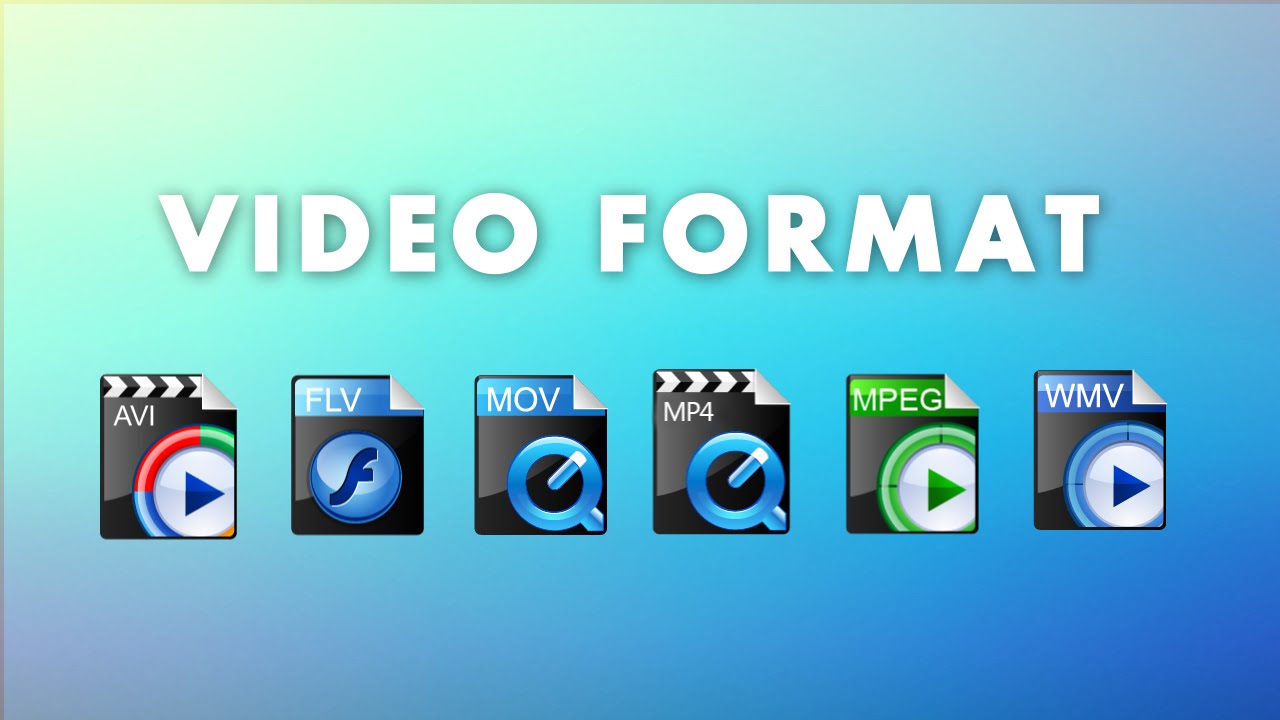
AVI
AVI (Audio-Video Interleaved) is an extension of a large number of video files, but it is not a format or codec. It is a container developed by Microsoft that can store 4 types of transmissions: video, audio, text and midi.

This container can contain video of any format from mpeg1 to mpeg-4, sounds of different formats, any combination of codecs is possible.

What is video format and which one is better?

What is video format and which one is better?

Video File Formats

If you went in and read this text, it is likely that you have already encountered the difficulties of video playback and the concept of video format. In this article, I would like to highlight common questions about what is a video format, what formats are there, and what is their difference, as well as give advice on how to choose the most convenient format to store your video.

Video formats

Generally speaking, a video file is a set of still images that switch between each other at a certain frequency. Each image is a separate video frame. This is true when it comes to uncompressed videos. These video files take up a lot of disk space and it doesn’t always make sense to store them. And it makes sense when the video is of optimal quality and size. We can achieve this by using the desired format.

What is the video format?

The video format is determined by two parameters: a container file (in which the recording is stored) and the codecs (used to process sound and images)

What is a container file?

Consider the video recording process on any digital video camera. A video camera records sound and video in separate sequences (tracks), encoding each of them with a special program: a codec. Then both tracks are put into a special file, the same container file, where they are given a description. This information will further help the media player to correctly synchronize the image and sound when playing a video.

What is a codec?
A codec is a program that compresses when recording and decompresses multimedia information during playback: audio, video, etc.

So how are the formats different?

The content of the container file. For example, you can put multiple audio tracks and subtitles in an AVI container. And in the MKV container, you can pack whatever you want: any number of video and audio tracks, animated and test subtitles, fonts for them, and much more.

Codecs used. Despite the wide variety of codecs, each format is “friendly” or compatible only with certain audio and video codecs.

For example, an MPEG container only allows video compressed with MPEG-1 or MPEG-2 codecs. But its younger cousin, the MP4 container, is less demanding on connections: here the choice of codecs will be wider.

Many others stem from these two basic differences:

File size
video resolution
the ability to play videos online
picture quality
other…
There are formats that produce ultra-clear images and great sound, but take up a lot of disk space, and there are formats that cannot boast of video image quality, but take up very little space. Therefore, to the question: “Which of the video formats is better?” – everyone must answer for themselves. Depending on the characteristics of the device on which the movie or clip will be viewed, the best quality, the “clearest” or, for example, the most common format may be the best.

We recommend that you choose for yourself several “on duty” formats, which will be adapted to each one according to your needs. Here are the format guidelines for different storage locations.

Video for online storage:
YouTube, Vk, Facebook, Vimeo
Please use MP4 format with H.264 and AAC codecs. This setting provides the highest video quality with the smallest file size.
Other places
Most modern sites are “compatible” with MP4, FLV, AVI, and WebM, so choose one of them.
Video storage on computer:
If you have a powerful computer (see the specs below), protect your recording in MKV or MTS (M2TS) and enjoy excellent picture and sound quality
Intel, AMD (or compatible) processor with a frequency of at least 1 GHz.
1280×1024 screen resolution, 32-bit color (or higher).
1 GB of RAM for Windows XP, 2 GB for Vista, Windows 7 and 8.
NVIDIA® graphics with CUDA ™ technology support.
If your computer does not meet the above specifications, save the video with a video resolution of no more than 960×540 pixels in MP4, AVI, WMV format if it is Windows OS and MOV or MP4 if you have Mac OS X.
Video for storage on a mobile device:
Convert video for mobile phone with video converter. I recommend FormatFactory. It has many presets for popular models and a simple interface to help you convert your videos to the format you want.

Personally, I think that you should focus on popular video hosting sites like YouTube and Vimeo anyway, and compress videos with compression parameters similar to what these two giants use at home.

Video on your website

Video on your website

HTML5 VIDEO

Anyone who has visited YouTube.com in the last four years knows that it is possible to embed a video on a web page.

HTML5 Video

Before HTML5, there was no standard way to do this, in fact any video you watched on the internet was added via third party plugins like QuickTime, RealPlayer or Flash (which is what YouTube uses). These add-ons are pretty well integrated with the browser, so you may not even know you are using them. But this is until you try to watch a video on a platform without plugin support.

HTML5 defines a standard way to insert video into a web page using the <video> element. Support for <video> is still evolving and this is a polite way of saying that it doesn’t work yet, at least it doesn’t work everywhere. But don’t despair! There are alternative ways to add, and in abundance.

<video> support is only a small part of the problem. Before talking about HTML5 video, you must first understand the video itself.

Video containers
You can think of video files as “AVI” or “MP4”. Actually “AVI” and “MP4” are just file formats. Like a ZIP file, which can store any file, the video formats define the storage, not the data. Actually, things are a bit more complicated due to the video streaming not always supporting container formats, but this is not important yet.

A video file generally contains multiple tracks: a video track (no audio), as well as one or more audio tracks (no video). The tracks are usually interconnected, the audio track contains markers to synchronize the audio with the video. Additional tracks can contain metadata such as the aspect ratio of the video or the language of the audio track. Containers can also contain metadata such as the title of the video itself, the cover, the episode number (for the TV series), etc.

There are many video container formats, these are some of the most popular.

MPEG-4, usually with mp4 or m4v extension. MPEG-4 is based on the old Apple QuickTime container (mov files). The movie trailers on Apple’s site still use the old container, but the movies on iTunes come in MPEG-4 container format.
Ogg, usually with the extension ogv. Ogg is an open source open source standard for users, free of patents. The Firefox 3.5, Chrome 4, and Opera 10.5 browsers have built-in support without special plugins: Ogg containers, Ogg video (called “Theora”), and Ogg audio (called “Vorbis”). Ogg is compatible with all major Linux distributions and can also be used on Mac and Windows by installing QuickTime components or DirectShow filters, respectively. Player VLC perfectly plays Ogg files on any platform.
Flash video, usually with the extension flv. For Flash videos, Adobe Flash is used, which is not surprising. Before Flash 9.0.60.184 (also known as Flash Player 9 Update 3), only the Flash archive was supported. Later versions also support the MPEG-4 container.
WebM, usually with the webm extension. It is an open, patent-free standard designed specifically for use with HTML5 video, enhanced with the VP8 video codec and the Vorbis audio codec. Technically similar to another format called Matroska. Supported natively, without separate plugins, in the latest versions of Google Chrome, Mozilla Firefox, and Opera.
ASF, usually with an .asf extension. The ASF container format was invented by Microsoft for streaming video. It included a lovely DRM scheme that prevented users from backing up their legally acquired licenses. Therefore, if for any reason you lost the license of the content, you felt you had to buy it again.
Audio and video interleaving, usually with the avi extension. The AVI container format was invented by Microsoft at a time when it was considered surprising that computers could play video. Features of recent file formats, such as metadata, are not officially supported. Also, this format is not officially supported by most modern video and audio codecs in use. It is the default format for popular encoders like MEncoder.
Video codecs
When you talk about “watching a video,” it is probably a combination of a video stream and an audio stream. But you don’t have two different files, you have a “video”. It can be an AVI file or an MP4 file, which is just a container format like a ZIP file that contains various types of files inside.

New AV1 codec: speed up video loading in the browser

New AV1 codec: speed up video loading in the browser

AV1 Codec

In this tutorial, we will learn how to use video on the web, as it is in 2019. Chrome and Firefox have started to support the new AV1 codec; you can make a video for them in half.

AV1 CODEC

Let’s talk separately about how to replace GIF with video in AV1 and H.264; then its size will be reduced by 20 to 40 times.

AV1 in the browser

YouTube is already using it on TestTube. Netflix said AV1 will be “its main next-generation codec.”

At Evil Martians we are already using it on our website and on Amplifer. In this article, I will share my AV1 implementation experience and show you step by step how to embed a video to make it work in all browsers.

Codecs and containers

With images, everything is simple: JPEG with PNG for all browsers or create more compact files in WebP for modern browsers. We can always be sure that the files will contain a .png PNG format (with the rare exception of PNG bombs, which imgproxy can protect against). Video files are more complicated. The file extension (,, or) only speaks of the container. While video files are made up of three different components:

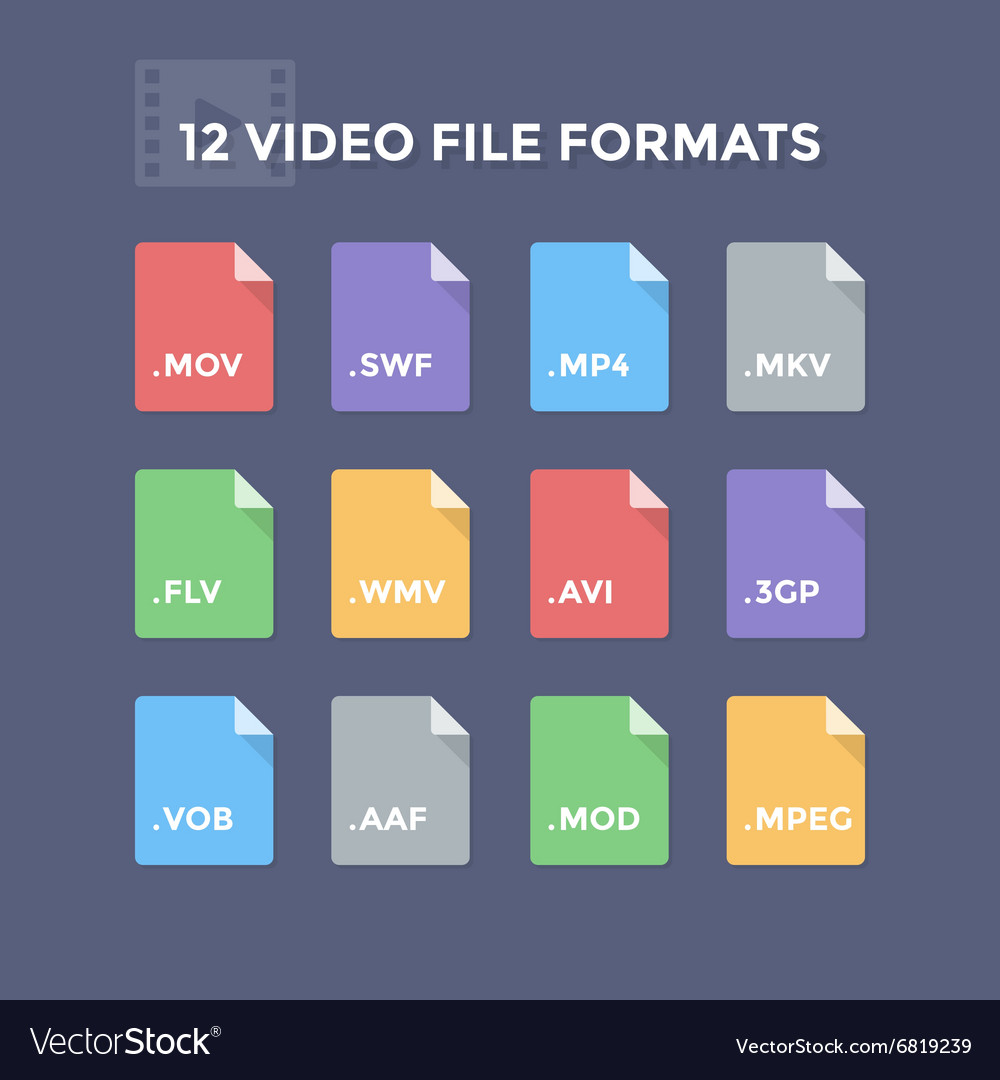
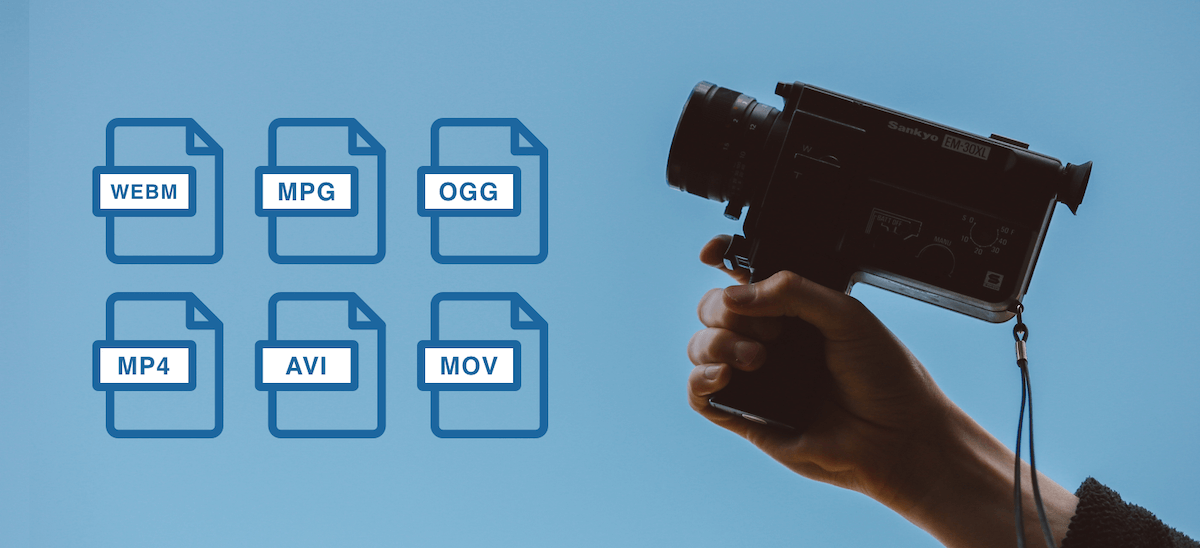
.mp4.wmv.webm.mov

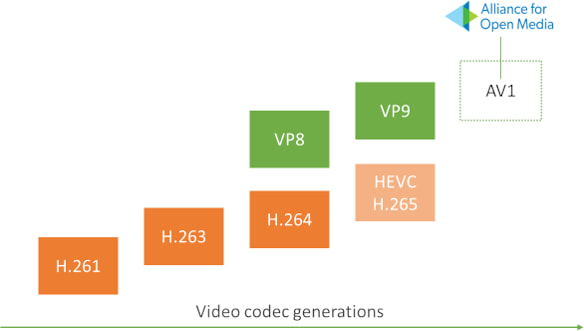
The video codec determines how much you can compress the video and what you have to sacrifice. The main video codecs on the Web are H.264, HEVC, VP9 and now AV1.
The audio codec compresses the audio. Of course, it is not necessary if there is no sound in the video. Popular choices are MP3, Opus, and AAC.
The container stores both video (compressed with some kind of video codec) and audio stream (compressed with some kind of audio codec). And also additional data such as subtitles and meta information. Popular containers: MP4, MOV, WebM.

When we see the extension of the .mp4 file, we can only tell that an MP4 container was used. But the codecs it contains may be different: the author could have taken H.264 and AAC, AV1 and Opus, or something else.

Behold AV1

AV1 is a video codec that was released a year ago, in March 2018. It was created to surpass the previous generation of codecs: HEVC, VP9, ​​H.264 and VP8.

Video format for Instagram: how to choose the right one and upload it to your account

Video format for Instagram: how to choose the right one and upload it to your account

Instagram Video

Videos on Instagram are a new trend that is used not only by ordinary users, but also by business accounts. Now you can record, edit and upload videos of any length, as long as you apply the correct video format for Instagram, as well as broadcast live and communicate with your subscribers.

Instagram videos

You probably use Instagram, right? Okay, it’s great when you can share a stunning sunset photo, funny video, or new selfie with your friends and family right now.

Professional SMMs point out that full video accounts are gaining popularity faster and allow bloggers and business accounts to gain a large number of subscribers in a few months.

Also, many bloggers and business profiles make money by recording videos on various topics or by posting commercials to their accounts.

Pros and cons of video content on Instagram

Instagram users are posting more and more videos instead of photos. And there are several reasons for this:

With the help of video, you can show your product or service in all its glory, familiarize users with your business as closely as possible.
Video content allows you to effectively close objections.
Video posts get more views, likes, and saves than similar posts with photos.
Users are more likely to trust video reviews than reviews written in text or posted in photo format.
Video responses to stories are gaining popularity – this is how you can demonstrate your expertise to subscribers.
Videos bring variety to the content plan – you can upload serious videos as well as ask bloggers for funny vines, this is popular and has a good response from Instagram audience.
But what about the difficulties in using Instagram videos? They are there? Let’s see:

Before you shoot a video, you need to think about the theme and plot.
The video must be of high quality: with good image and sound. It should have an interesting plot. Well, the video should be useful to your target audience.
To download a video, you must select the appropriate format.

Instagram video formats
instagram compatible video formats

If you recorded a video on your phone, then there should be no problems with your post. However, modern users tend to record high-quality content, that is, good quality photos and videos, using professional equipment. In this case, Instagram may refuse to post due to video format issues.

For tape
First, let’s talk about uploading a video to the main source – how long the video should be and what the resolution should be.

The following requirements apply to a horizontal roller:

600 * 315 pixel size;
optimal aspect ratio 1.9 to 1;
the choice of format is at your discretion;
the maximum video size should not exceed 4 GB;
the duration of the video is not more than one minute.
For a square video:

600 * 600 pixel size;
aspect ratio 1 to 1;
the choice of format is at your discretion;
the maximum size of a video clip must not exceed 4 GB;
the duration of the video is not more than one minute.
For vertical video:

the size is 600 * 750 pixels;
the aspect ratio is 4: 5;
the choice of format is at your discretion;
the maximum video size should not exceed 4 GB;
the duration of the video is not more than one minute.
Instagram users love high-quality content, so it is important to keep track of the parameters of the video that is posted. You can improve the video quality for Instagram. Just shoot in a higher resolution.

We recommend choosing the H.264 codec for videos on Instagram. This will help keep quality high and reduce file size.

Video format for Instagram: how to choose the right one and upload it to your account Video format for Instagram: how to choose the right one and upload it to your account

Video format for Instagram: how to choose the right one and upload it to your account

When choosing a vertical format for your video, remember that it is not entirely suitable for Instagram.

Why?

It is not very convenient for users to like or leave comments, since such a video takes up almost the entire screen of the user’s mobile device or tablet.

Let’s summarize. The minimum resolution for horizontal videos is 600 * 315 pixels, for squares – 600 * 600, for verticals – 600 * 750. The maximum resolution for Instagram videos is 1080p.

For stories
Users of this popular global network love short videos on Instagram Stories. What are the requirements for them?

only vertical video format with an aspect ratio of 9:16;
the maximum size of a video does not exceed 4 GB;