
What is digital audio?
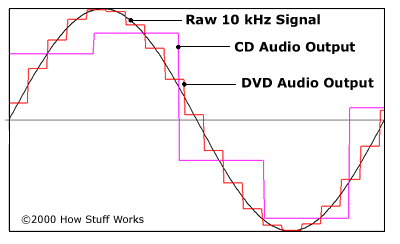
In fact, there can be several types of “digital sound”, more precisely, the types of its representation on a computer.
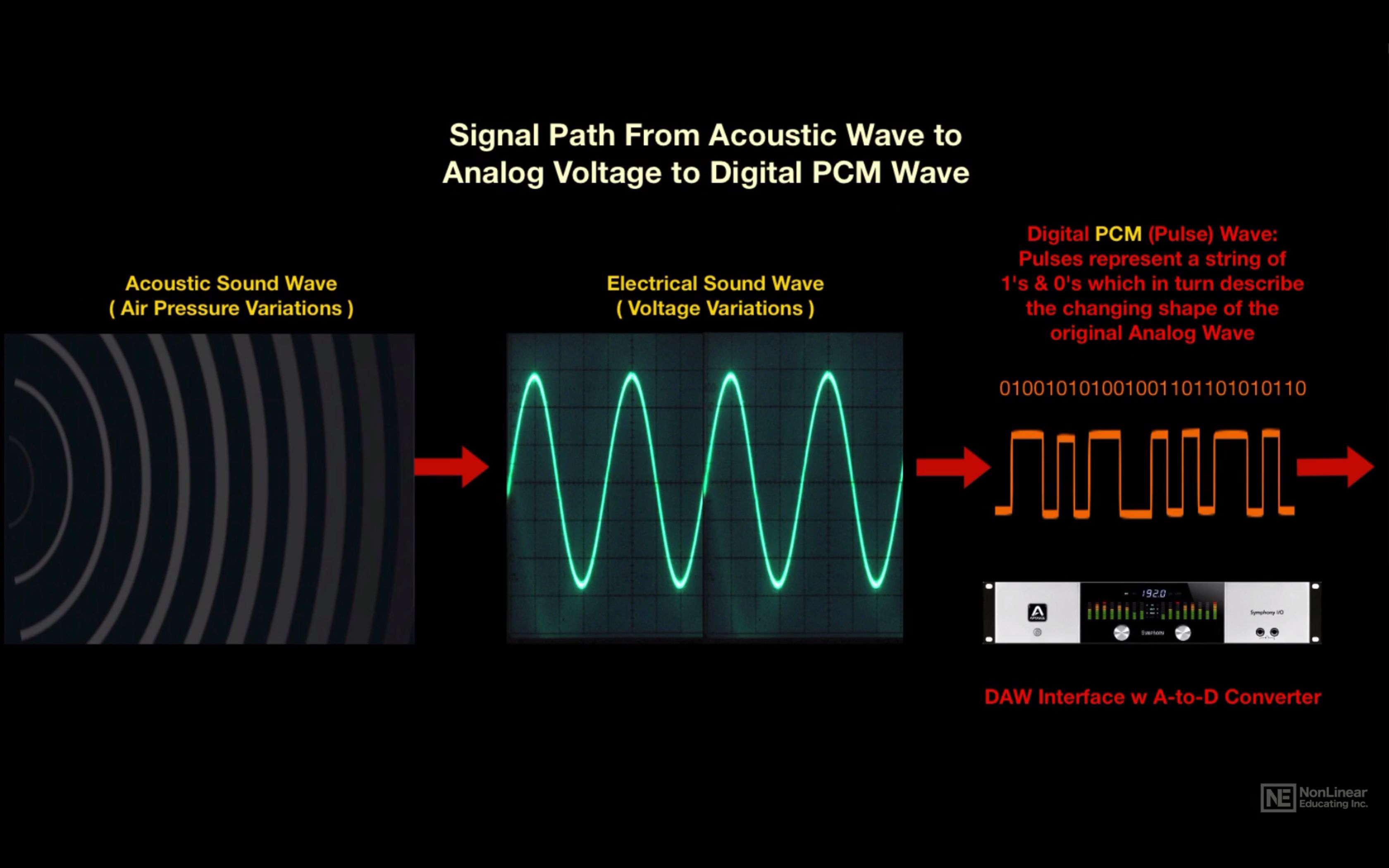
The now familiar “digitized sound” is an analog of a photograph, an exact digital copy of sounds input from outside. It can be a microphone recording of your voice, a copy of audio tracks from a CD, or other sources. Like photography, this sound takes up a lot of space … however, the appetite for photography compared to sound is simply negligible! One minute of digital audio recorded at the highest quality requires approximately 10 megabytes. It is true that there are special compression methods that reduce the volume of computer sound ten times. But more on that later.
Besides “digital”, there is also “synthesized” sound – more precisely, music in MIDI format. Well, you are probably familiar with synthesizers. Briefly, the essence of MIDI technology can be summed up as follows: the computer not only plays the melody you need, but synthesizes it using a sound card. MIDI melodies are just command systems that control a sound card, note codes that it should “display” (indicating instruments, duration and some other parameters of this note). This technology is ideal for computer composers, as it allows you to easily change any parameter of the melody created on the computer: replace instruments, add or remove them, change the tempo and even the style of the song. And files with MIDI music are small, only a few tens of kilobytes. But MIDI has drawbacks too: you can’t record a voice to a MIDI file, and music sounds good only on a very high-quality sound card. Transfer the file you created to a neighbor’s computer equipped with a $ 10 card, and you will long think where all the charm and beauty of the melody has evaporated. It is true that MIDI can be relatively easily converted to digital sound format; reverse conversion, unfortunately, is impossible at the current level of computer technology development.
Finally, there is a third type of sound you can work with at home: “tracker” or “sampler” technology, a kind of love that comes from digital and synthesized sound. When you work with programs of this type, you will “build” a musical composition from small “pieces” of digital or synthesized sound that are repeated periodically: loops or samples. It is on this principle that compositions are created in the current popular style of “house”, “trance”, “techno” …
In short, all simple dance (not to say grosser, primitive), rhythmic music. This type of music, a cross between digital and synthesized, is called “tracker” and has a limited but loyal audience of fans.


