What is the psychoacoustic model?


Free Download Mp4Gain
picture

What is the psychoacoustic model?

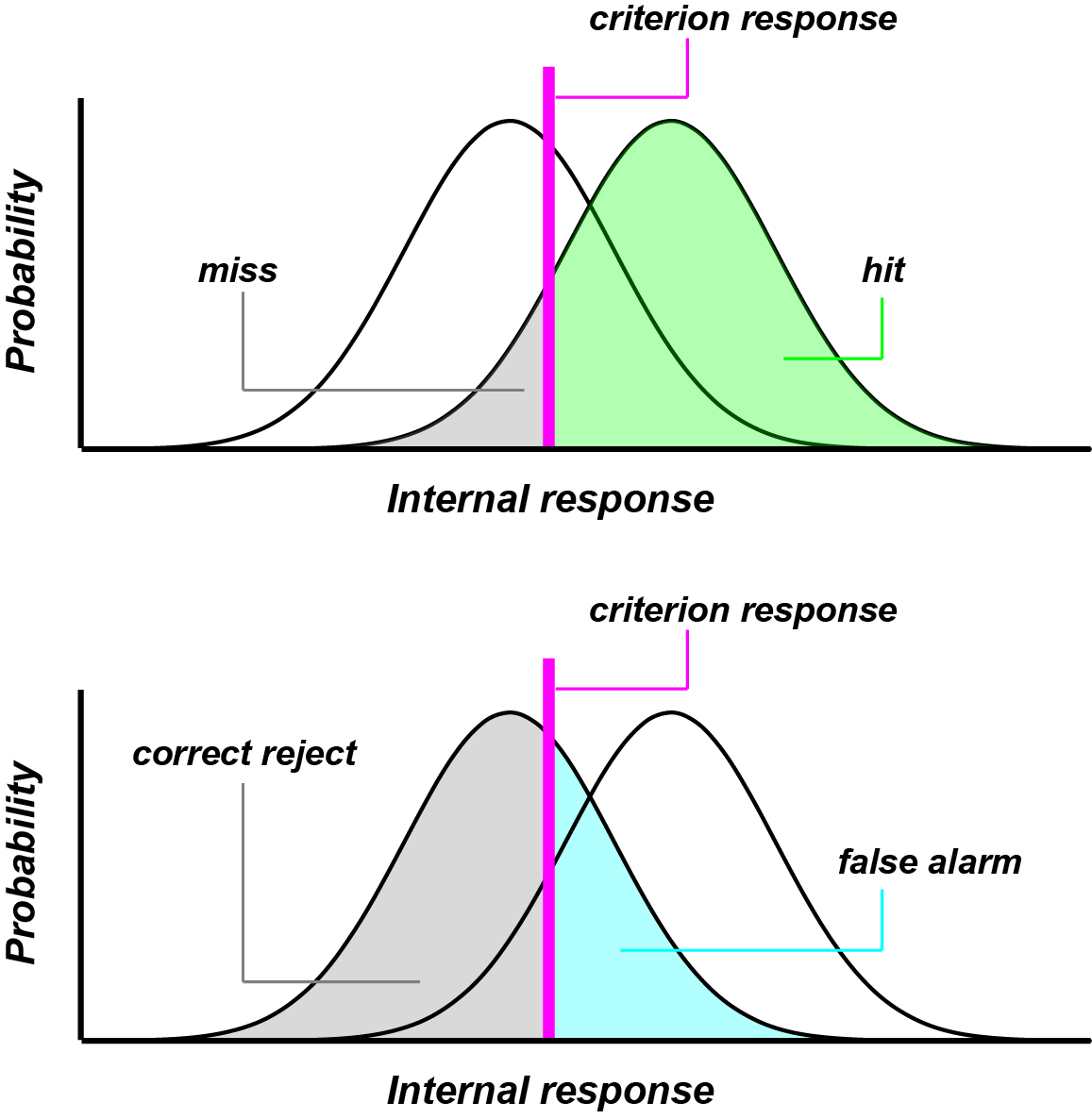
psychoacoustic model

As a music enthusiast and audio engineer, I’ve always been fascinated by the science of sound perception and the human auditory system. One of the most important concepts in this field is the psychoacoustic model, which is used to understand how humans perceive sound and how audio signals can be compressed without significantly affecting the perceived quality.

The science behind psychoacoustic model

Psychoacoustics is the scientific study of how humans perceive sound. It is based on the fact that our hearing system is not simply a microphone that records all sounds equally. Rather, our ears and brain work together to selectively filter and process different frequencies and amplitudes of sound. The psychoacoustic model is a mathematical representation of this process, which allows us to predict how humans will perceive different sounds and how we can manipulate audio signals to optimize their perceived quality.

According to the book “The Science of Sound Recording” by Jay Kadis, “Psychoacoustics is the key to understanding how we can optimize the fidelity of audio recordings and how we can reduce the amount of data needed to represent an audio signal without perceptible loss of quality. This is the basis of modern audio compression techniques such as MP3 and AAC, which use the psychoacoustic model to identify and remove redundant or masked audio information.”

How the psychoacoustic model is used in audio compression

Audio compression is the process of reducing the size of an audio file without significantly affecting the perceived quality of the sound. This is essential for applications such as music streaming and portable music players, where bandwidth and storage space are limited. The psychoacoustic model is used to identify which parts of an audio signal can be safely removed or reduced in quality without being perceived as a loss in fidelity.

As stated in the book “Audio Engineering 101” by Tim Dittmar, “The psychoacoustic model is used to analyze the properties of audio signals that the human ear can and cannot perceive. This allows audio engineers to create audio codecs that optimize the encoding and decoding of digital audio files for different purposes, such as low bit-rate audio streaming or high-quality music production.”

The future of psychoacoustic research

The study of psychoacoustics is a rapidly evolving field, with new discoveries and applications emerging all the time. For example, researchers are currently exploring how the psychoacoustic model can be used to enhance the immersive quality of virtual reality and augmented reality applications. Additionally, there is growing interest in how the psychoacoustic model can be applied to improve speech recognition systems and to help diagnose hearing disorders.

As someone who has personally witnessed the power of psychoacoustics in improving audio quality, I’m excited to see how this field will continue to evolve in the future.

Final words

In conclusion, the psychoacoustic model is a vital tool for understanding how humans perceive sound and for optimizing the quality and size of audio files. By using the principles of psychoacoustics, audio engineers and researchers can create new technologies and applications that enhance our listening experiences and improve our understanding of the human auditory system.

If you’re looking for a reliable and powerful audio normalization and conversion software, I highly recommend mp4gain



Free Download Mp4Gain
picture


Mp4Gain Main Window
picture


Mp4Gain Features
picture


Free Download Mp4Gain
picture

Video Compression Methods

Video Compression Methods

Video Compression
Video Compression
Video Compression
Video Compression


Introduction to Video Compression

Video compression is the process of reducing the size of digital video files without sacrificing quality. Compression is necessary for efficient storage and transmission of video over networks or on physical media. The compression process involves removing redundant and non-essential information from the video stream, while retaining as much perceptual quality as possible. There are several video compression methods available, each with its own strengths and weaknesses.

Lossy Compression

Lossy compression is the most common method of video compression. It works by discarding information that is deemed less important, based on visual perception. The discarded information cannot be recovered, which is why this method is called “lossy”. The amount of compression can be adjusted by varying the amount of information that is discarded. Popular lossy video compression codecs include H.264, MPEG-4, and VP9.

Lossless Compression

Lossless compression, on the other hand, retains all of the original information, but compresses it in a way that can be reconstructed exactly. This method is typically used for archival or master copies, where quality cannot be sacrificed. However, lossless compression does not achieve the same degree of compression as lossy methods. Examples of lossless video compression codecs include Apple ProRes and Avid DNxHD.

Hybrid Compression

Hybrid compression methods combine elements of both lossy and lossless compression. These methods use lossy compression on parts of the video that are less important, and lossless compression on parts that are more important. The result is a balance between quality and compression efficiency. One example of a hybrid compression codec is the JPEG2000 format.

Variable Bit Rate (VBR) vs. Constant Bit Rate (CBR)

Video compression can be further classified as either variable bit rate (VBR) or constant bit rate (CBR). In VBR, the bit rate varies depending on the complexity of the video content. This allows for higher quality in complex scenes, while still maintaining a reasonable file size. CBR, on the other hand, maintains a constant bit rate throughout the entire video stream. This results in predictable file sizes, but can lead to lower quality in complex scenes.

Compression Settings

The effectiveness of video compression is highly dependent on the settings used during compression. Key settings include the bitrate, resolution, frame rate, and codec. Higher bitrates and resolutions result in higher quality, but also larger file sizes. The codec used can also have a significant impact on the quality and compression efficiency. Experimenting with different settings can help achieve the desired balance between quality and file size.

Conclusion

Video compression is a necessary part of modern video production and distribution. There are several compression methods available, each with its own advantages and disadvantages. Choosing the right compression method and settings requires a balance between quality and file size.

FAQ

1. What is the difference between lossy and lossless compression?

Lossy compression discards information that is deemed less important, while lossless compression retains all of the original information. Lossy compression achieves higher compression ratios, but at the expense of quality.

2. What are some common video compression codecs?

Some common video compression codecs include H.264, MPEG-4, VP9, Apple ProRes, and Avid DNxHD.

3. What is hybrid compression?

Hybrid compression methods combine elements of both lossy and lossless compression. These methods use lossy compression on parts of the video that are less important, and lossless