MP4 File Extensions: .mp4, .m4a, .m4v Usage Differences

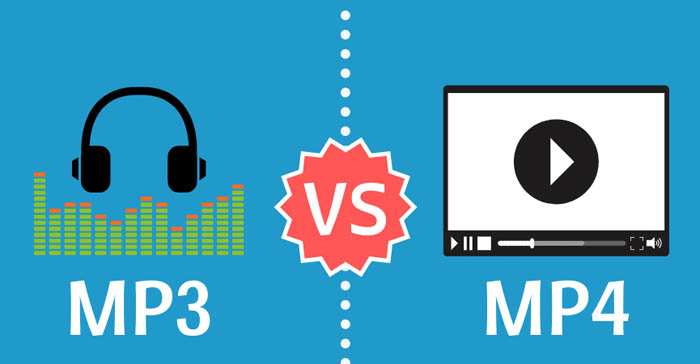
Understanding the Differences Between MP4 Audio and Video Formats
As a digital media enthusiast, I have always been interested in the different file formats available for audio and video. One of the most popular formats is the MP4, which has become the standard for digital media. However, there are different file extensions associated with MP4 files, including .mp4, .m4a, and .m4v. In this article, I will explain the differences between these file extensions and how they affect the usage of MP4 files.
The .mp4 File Extension
The .mp4 file extension is the most common file extension associated with MP4 files. It is a digital multimedia container format that is used to store audio, video, and other data. The .mp4 file extension is widely supported by media players and devices, making it a popular choice for digital media.
The .m4a File Extension
The .m4a file extension is another file extension associated with MP4 files. It is used specifically for audio files that are encoded using the Advanced Audio Coding (AAC) codec. The .m4a file extension is commonly used for music files and is supported by most media players and devices.
The .m4v File Extension
The .m4v file extension is not specifically associated with MP4 files, but it is used for video files that are encoded using the H.264 codec. The .m4v file extension is commonly used for video files that are downloaded from the iTunes Store and is supported by most media players and devices.
In conclusion, understanding the differences between .mp4, .m4a, and .m4v file extensions is important for anyone who works with digital media. As a digital media enthusiast, I have found that knowing the different file formats and file extensions has helped me to appreciate the technology behind digital media. If you are looking for a reliable and efficient way to normalize and convert your audio and video files, I highly recommend MP4Gain. It is a powerful tool that can help you get the most out of your digital media collection.
Optimizing MP4 Compression and Encoding
When it comes to digital media, compression and encoding are two important factors that affect the quality and size of the media files. MP4 files are no exception, and optimizing the compression and encoding settings can help you get the most out of your digital media.
Compression
Compression is the process of reducing the size of a digital media file without significantly affecting the quality of the media. MP4 files use a variety of compression algorithms, including H.264 and MPEG-4, to reduce the size of the media files. However, too much compression can result in a loss of quality, so it is important to find the right balance between file size and quality.
Encoding
Encoding is the process of converting a digital media file from one format to another. MP4 files can be encoded using a variety of codecs, including H.264 and AAC. The choice of codec can affect the quality and compatibility of the media file, so it is important to choose the right codec for your needs.
In conclusion, optimizing the compression and encoding settings for your MP4 files can help you get the most out of your digital media. If you are looking for a reliable and efficient way to optimize your MP4 files, I highly recommend MP4Gain. It is a powerful tool that can help you optimize your digital media collection.
MP4 Quality and Usage Differences
When it comes to digital media, quality and usage are two important factors that affect the overall experience of the media. MP4 files are no exception, and understanding the quality and usage differences can help you get the most out of your digital media.
Quality
Quality is the measure of how good a digital media file looks and sounds. MP4 files can vary in quality depending on the compression and encoding settings used. Higher quality MP4 files will have a larger file size, but will also look and sound better than lower quality files.
Usage
Usage is the way in which a digital media file is used. MP4 files can be used for a variety of purposes, including streaming, downloading, and playback on different devices. Understanding the usage differences can help you choose the right settings for your MP4 files.
In conclusion, understanding the quality and usage differences of MP4 files can help you get the most out of your digital media. If you are looking for a reliable and efficient way to optimize your MP4 files, I highly recommend MP4Gain. It is a powerful tool that can help you optimize your digital media collection.
Final Words:
In this article, we have explored the differences between .mp4, .m4a, and .m4v file extensions for MP4 files. We have learned how each file extension affects the usage of MP4 files and how to optimize the compression and encoding settings for MP4 files. If you have any questions or comments, please feel free to leave them below. Thank you for reading!