
Hardware Acceleration for M4A Encoding and Decoding

Let’s talk about hardware acceleration for M4A encoding and decoding. Hardware acceleration uses specialized hardware to speed up M4A audio encoding and decoding, which is essential for fast audio processing. As a specialist in audio encoding, I’ve seen firsthand how much of an impact this can have on audio workflows. When your computer uses the specialized hardware to do these tasks instead of doing all of the work on the main processor, it is much more efficient, which results in faster processing and less power usage. I’ll explain how hardware acceleration works and why it’s very beneficial for M4A audio, using simple and easy-to-understand examples.
Understanding Hardware Acceleration
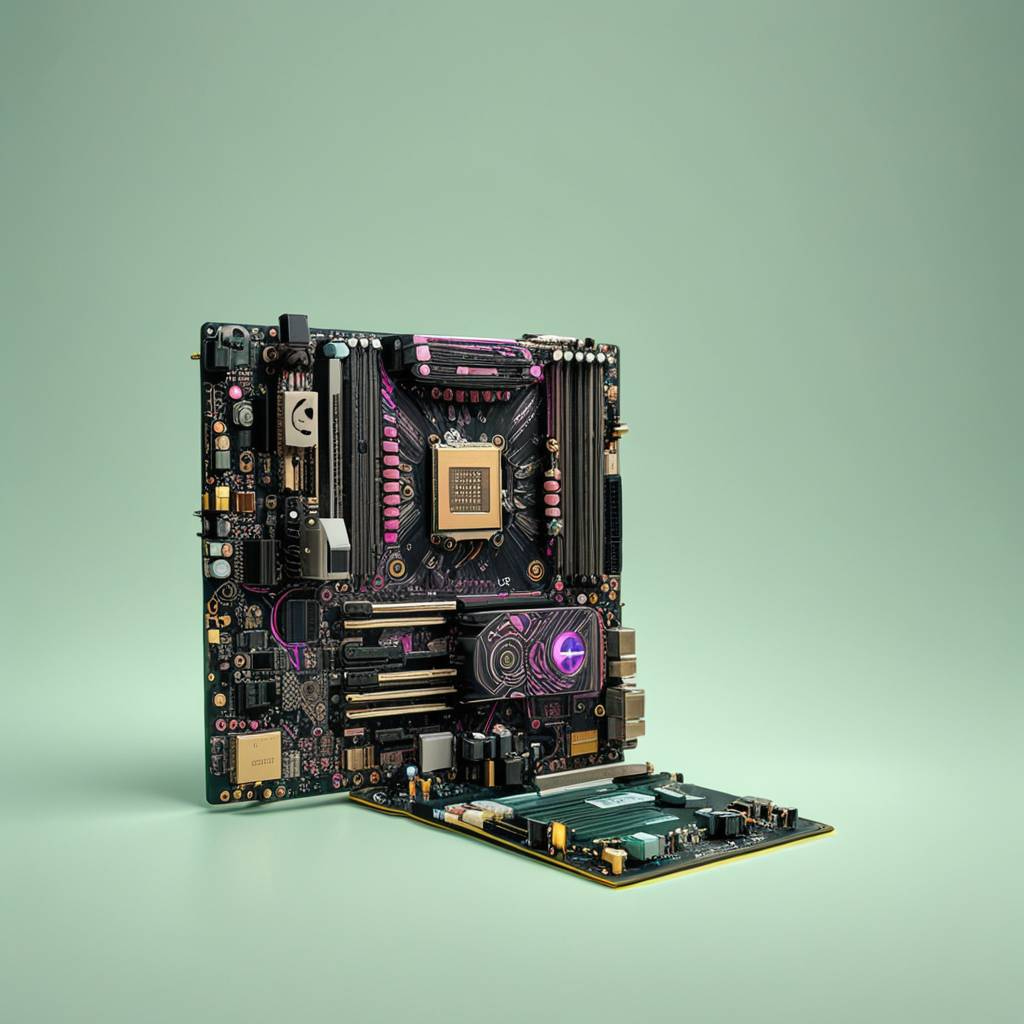
Hardware acceleration is like having a specialized tool for a specific job, and I’ve seen how it can make a huge difference in speed compared to using the general tools. Instead of using the main processor of the computer (the CPU) for all tasks, specialized hardware (like a GPU or a dedicated audio chip) does the processing. This can greatly reduce the workload on the CPU, making the whole process much faster. It’s like having a group of experts working together to do the job much faster, instead of relying on just one person to do it all. This is very helpful for audio encoding and decoding because they involve a lot of calculations.
Dedicated Hardware
- Hardware acceleration uses dedicated hardware like GPUs or specific audio chips, designed to perform specific tasks very efficiently.
- It’s like having a specialized car for racing; it goes much faster because it is designed for speed.
Reduced CPU Load
- Hardware acceleration reduces the load on the CPU, so your computer can do other tasks smoothly while the audio is being encoded or decoded.
- This is like having a helper who does the heavy work so you can do other things at the same time.
Increased Processing Speed
- Hardware acceleration results in much faster encoding and decoding speeds compared to using software-based methods.
- This can speed up your work, since the audio files are processed much faster thanks to the specialized hardware.
The Role of the CPU in M4A Processing
The CPU, or Central Processing Unit, is the main brain of your computer, and I view it as the most versatile, but not always the most efficient processor. When encoding or decoding M4A files using software methods, the CPU does all the calculations, and this can take a lot of its power. While CPUs can handle all tasks, they are usually not the fastest option for very demanding tasks, such as audio encoding and decoding, since it needs to do all of the work by itself. The CPU is a generalist that does everything but not always with the best performance.
General-Purpose Processing
- CPUs are designed to handle a wide variety of tasks, from simple calculations to complex software applications, but they are not designed to do one thing really fast.
- It is like having a general-purpose tool that can do many things, but it’s not the best tool for each of them.
Software-Based Encoding
- When encoding and decoding audio in software, all the work is done on the CPU. This can be slow for complex operations.
- Software-based encoding is very versatile, but may be very slow and power hungry compared to hardware alternatives.
Resource Bottleneck
- When a CPU does all the encoding or decoding, it can become a bottleneck that slows down your computer.
- The CPU has limited processing power and cannot always keep up with very demanding tasks, like audio processing.
GPUs and M4A Encoding
GPUs, or Graphics Processing Units, are designed for parallel processing, and I have seen that they are extremely efficient at tasks like audio encoding, and decoding. While they are mainly designed for graphics, GPUs can also be used for audio processing due to their ability to perform many calculations at the same time. This is very helpful for M4A encoding, since it involves a lot of similar calculations that can be done at the same time. Using GPUs for M4A encoding and decoding can greatly speed up the process.
Parallel Processing
- GPUs can perform multiple calculations at the same time, which makes them very efficient for tasks like audio processing that require a lot of calculations.
- It’s like having many workers doing different parts of the job at the same time, which results in much faster processing.
Offloading from CPU
- Using the GPU for audio encoding or decoding frees up the CPU to perform other tasks, which makes the computer much more responsive.
- This is like delegating tasks to other people, which results in less workload for you, and lets you work on other things.
Faster Encoding Times
- GPUs can encode and decode audio much faster than CPUs, because they are designed to perform many similar calculations at the same time.
- The speed improvements are very significant, and they can greatly reduce the encoding times.
Dedicated Audio Chips
Dedicated audio chips are specifically designed for audio processing, and I have seen how they can provide the very best results for audio tasks. These chips are optimized to encode and decode audio, with a very low latency, and very high efficiency. This means that these chips are the most efficient hardware option for audio processing. These chips can improve both speed and quality, making them the best option when these two are a concern.
Specialized for Audio
- Dedicated audio chips are designed specifically for audio tasks, and they offer much better performance than a general-purpose processor.
- These chips are optimized to do audio processing much faster and more accurately.
Low Latency Performance
- These chips provide a low latency which is important for real time audio processing.
- Low latency means less delays in processing the audio, which is important for audio tasks.
High Efficiency
- Dedicated audio chips are designed to be very efficient, with low power consumption, and faster audio processing.
- This makes them a good option for both portable and stationary devices, where efficiency is important.
Hardware Acceleration Benefits for M4A
Hardware acceleration provides several key benefits for M4A encoding and decoding, and from my work in the audio world I’ve seen these benefits in real world situations. These advantages include faster processing, better efficiency, and reduced power consumption. These benefits make hardware acceleration a great choice for all types of M4A audio projects. Hardware acceleration improves the overall performance, both for professional and home users.
Reduced Encoding/Decoding Times
- Hardware acceleration significantly reduces the time to encode and decode M4A files, which allows users to process large audio files much faster.
- This speeds up the audio workflows, which is very important when time is important.
Improved Efficiency
- Hardware acceleration is more efficient than software based processing, and allows the CPU to focus on other tasks.
- Hardware acceleration allows for more efficient processing, with less impact on the CPU.
Lower Power Consumption
- Using specialized hardware consumes less power than software processing, this is very useful for portable devices where battery life is a concern.
- Hardware acceleration is a great option to save energy and improve battery life.
How Hardware Acceleration Works in M4A
Hardware acceleration works by offloading some of the processing tasks to dedicated hardware components, and I’ve always been amazed by how this approach improves the audio performance. Instead of relying solely on the CPU, the software will use specialized units such as GPUs or dedicated audio chips, to do the audio processing tasks. This offloading process improves speed, and it reduces the burden on the main processor, making it work much faster and more efficiently. This allows the computer to work better and faster, and also saves power.
Offloading Processing
- Hardware acceleration offloads the most demanding processing tasks to specific hardware, leaving the CPU free for other operations.
- This method distributes the work across different specialized processing units, which improves speed and efficiency.
Direct Access to Hardware
- Software can directly access the specialized hardware to perform encoding and decoding operations.
- This avoids the overhead of the software processing which can be very slow and demanding.
Optimized Data Flow
- Hardware acceleration provides an optimized data flow between the different components, making the overall process much more efficient.
- This efficient data flow will result in a very fast and efficient encoding and decoding process.
Real-World Applications
Hardware acceleration is very useful in many real-world applications that require very fast audio processing. I’ve seen its power in various projects. For example, live audio processing benefits greatly from the reduced latency provided by hardware acceleration. When editing large audio files, the encoding and decoding process is much faster, and the time to save the files is greatly reduced. The benefits of hardware acceleration are useful in all audio situations where speed is important.
Live Audio Processing
- Live audio processing requires very low latency and high processing speeds, and hardware acceleration makes this possible.
- Hardware acceleration allows for real time audio processing with minimal delay.
Audio Editing
- When working with large audio files, hardware acceleration speeds up the encoding and decoding process, which improves the overall workflow.
- Thanks to hardware acceleration, the audio editing process is much more fluid.
Mobile Audio Devices
- Mobile audio devices benefit greatly from hardware acceleration because of its low power consumption and high efficiency.
- Battery life can be greatly improved with the use of hardware acceleration in portable devices.
Choosing Hardware for M4A Acceleration
Choosing the right hardware for M4A acceleration depends on specific needs and resources. In my opinion, there is not a single perfect solution, and the best hardware depends on the specific task and the required speed and quality. If speed is paramount, a good GPU may be the best choice. If the main concern is for real time audio, dedicated audio chips will be more suitable. Understanding the available options can help to make the best decision.
GPUs for M4A Processing
- GPUs are a good choice for their parallel processing capabilities which are very helpful in speeding up M4A encoding and decoding.
- GPUs can greatly improve processing speed, but they consume more power than other options.
Dedicated Audio Chips
- Dedicated audio chips provide excellent performance with low latency and high efficiency, and are best for low latency applications.
- They are a great option when the main concern is a low latency performance for audio processing tasks.
Integrated Hardware
- Many modern devices include integrated hardware for audio processing, and these can also be a good option for those who don’t need extreme performance.
- Integrated hardware offers a good balance between performance, power consumption and cost.
Latest words on Hardware Acceleration for M4A Encoding and Decoding
Hardware acceleration is essential for modern audio processing, particularly for M4A encoding and decoding. From my experience, it greatly enhances processing speed, efficiency, and power consumption. Using GPUs or dedicated audio chips can significantly improve the overall workflow. Tools like Mp4Gain can help you with your audio needs. Hardware acceleration is vital in our daily audio processing work, and I am sure that this technology will continue to evolve. Now, you have a good understanding of what hardware acceleration is and how it can greatly improve your audio experience.
What is hardware acceleration in audio processing?
Hardware acceleration uses specialized hardware, such as GPUs or dedicated audio chips, to speed up tasks like audio encoding and decoding. This allows to offload the work from the main CPU, making the computer work much faster and with better efficiency.
How does the CPU handle M4A encoding and decoding?
The CPU handles M4A encoding and decoding through software-based methods, performing all the calculations with its general-purpose architecture. While CPUs can do all of these tasks, they are not optimized for very demanding tasks, and can be very slow for complex audio encoding.
How do GPUs speed up M4A encoding and decoding?
GPUs speed up M4A encoding and decoding through their parallel processing capabilities, where they perform multiple calculations simultaneously. GPUs are very efficient doing this, which results in much faster processing than CPUs, and also a much more efficient workflow.
What are dedicated audio chips and how do they benefit audio tasks?
Dedicated audio chips are specifically designed for audio processing, and they provide low latency, high efficiency, and very fast audio encoding and decoding. These chips offer a much better performance than general purpose processors, like a CPU, which makes them ideal for audio processing tasks.
What are the key benefits of using hardware acceleration for M4A files?
The main benefits of hardware acceleration include faster encoding and decoding times, better processing efficiency, and lower power consumption. This helps to speed up the audio workflow, making all the audio tasks much faster. Using specialized hardware is very useful for large projects, since it saves a lot of processing time.
How does hardware acceleration offload tasks from the CPU?
Hardware acceleration offloads audio processing tasks to specialized components like GPUs or dedicated audio chips. This reduces the workload on the CPU, which then focuses on other tasks. This allows the CPU to work more efficiently, and perform other operations at the same time.
How does direct hardware access improve audio processing?
Direct hardware access allows software to use specialized hardware directly for encoding and decoding, which avoids the overhead of software processing. This process is much faster, and the software can access the full power of the specialized hardware. Direct hardware access results in faster processing times and better performance.
Why is low latency important for live audio processing?
Low latency means less delay in processing, which is essential for live audio processing applications, since any delay will be very noticeable by the users. Real-time audio requires very fast processing without any delays, and this is achieved with the right hardware and low latency performance.
How does hardware acceleration benefit mobile audio devices?
Hardware acceleration is very beneficial for mobile devices because it offers low power consumption, high efficiency, and faster processing times. This is very useful for portable devices where battery life is very important. Hardware acceleration can help extend battery life and improve the user experience in portable devices.
What is the best hardware option for M4A encoding and decoding?
The best hardware option depends on specific needs, and if speed is the main priority, a good GPU may be the best option. If low latency is more important, dedicated audio chips are better. Integrated hardware offers a good balance between power, cost, and efficiency. It’s always about the specific needs of the project and the user. There is not a single best solution.


Comments:
This article explained everything about hardware acceleration in a very easy and simple way, I didn’t understand these things before, but now I know how to improve my audio processing workflow, thanks a lot!
-AudioNewbie
Great info, man, I always wondered how some programs encode audio so fast, but now I understand it is all about hardware acceleration. I will look for software that uses this, thanks!
-TechFan
This is a great article, but I would like a more detailed explanation of the low latency part, maybe some examples of different hardware and its latency. But very good explanation!
-LatencyLover
Awesome explanation of hardware acceleration, I work with audio and I learned a lot about all of this. Very good and detailed information, thanks for sharing it!
-AudioPro
Very easy to understand explanations, I am not a tech expert, and I understood everything perfectly. Great examples, I learned a lot! Keep up the good work!
-SimpleUser
This article helped me understand how my computer can encode audio so fast, and why some programs are faster than others. Thank you for all the information, it was very helpful!
-CodeStudent
This is a great site, always with the best and most informative articles. This information about hardware acceleration was awesome, I learned a lot! Thank you guys!
-KnowledgeSeeker