Video compression: Relationship to codec

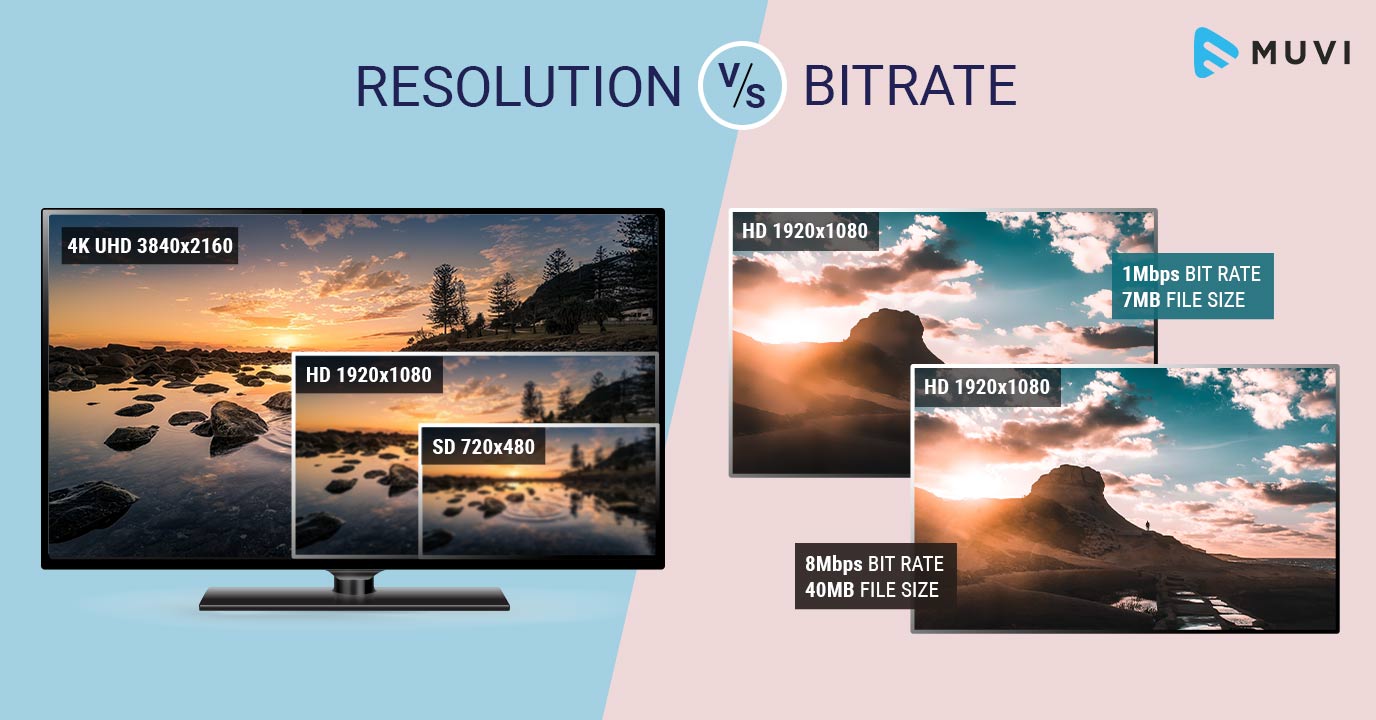
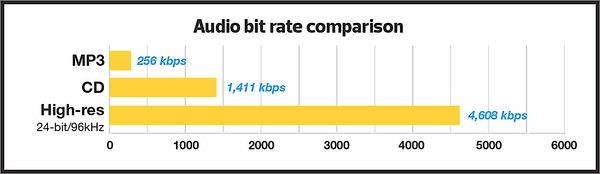
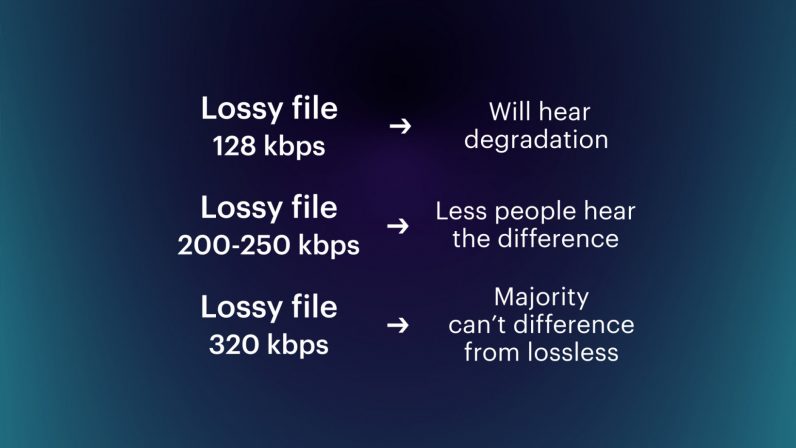
I mentioned earlier that “the higher the bit rate, the better the image quality and sound quality”, but the image quality and sound quality are closely related to the “codec”.
A “codec” is something like a “compression algorithm” for compressing “video” and “audio”.
Reference: What is video format? Codec difference
For example, the video codec “H.264” It is a very famous codec that is also used on Youtube and Nico Nico Douga,
(Addendum: Not used now …)
There is a codec called “H.265” that improves the “image quality per file size” of “H.264”.
“H.265” is “H.264 at about half the bit rate of”, “H.264 will get the equivalent of image quality and”. (The compression rate is double)
For example
Using “2Mbps” video bit rate with “H.264 codec”
Video with a bit rate of “2 Mbps” with the codec “H.265”
If there are two videos, the image quality of “H.265” is twice as beautiful even though the bit rate (file size) is the same.
s-25-11-2015_14h09_08
▲ Image comparing H.264 and H.265
(the character part etc. is quite different)
In addition, there is an almost four times difference in picture quality between videos using the “MPEG-2” codec used in DVDs and videos using “H.265”.
Also, the image quality is almost eight times different from that of “MPEG-1”, which is the predecessor of “MPEG-2”.
In other words, if you want to achieve the same image quality as “H.265” video with “MPEG-1”, you need 8 times the bit rate of “H.265”.
By the way, the video in unzipped state without using the codec
Uncompressed video
Uncompressed video
Is named. (Also called “raw video”)
The intro has gotten long, but what I mean after all is
“If you use a codec with a good compression rate, you can maintain reasonable picture and sound quality even at low bit rates.”
That’s why
In other words, the picture and sound quality are good.
Image quality (sound quality) = high bit rate x codec type
It is decided by the formula.
Reference: Different from the type of video codec (H.264, VP9, MPEG, Xvid, DivX, WMV, etc.)
Reference: Different from the type of voice codec (MP3, AAC, WMA, WAV, Vorbis, FLAC, etc.)
Reference: Difference Between Lossy Compression and Lossless Compression [codec]