What are the benefits of the MKV format?
The Matroska format is a multimedia container envelope for video, audio, and subtitle files.

A complete CD or DVD can fit in one file. The extension of a Matroska video file is MKV; only for MKA audio, and only for subtitles, MKS. The MKV format has many advantages over competing containers such as Microsoft® Audio Video Interleave (AVI), Apple® Quicktime® MOV, Moving Picture Experts Group (MPEG) and others.
While each of the container formats currently in use fulfills some or even many of the functions that the container format requires, Matroska aims to be the standard that meets all of them, standing out from almost all the others. Built in EBML (Extensible Binary Meta-Language), it is very flexible to meet future needs.
The first advantage of the MKV format is that it is open source, which makes the code freely available to developers around the world and to the general public. Most other container formats contain mostly proprietary code developed exclusively by the originating company and authorized parties. Open source software has the most potential for more creative solutions and wider implementation.
The MKV format supports menus such as DVDs, chapters, and multiple audio streams to include audio tracks in different languages. As with the DVD, you can choose the language of your choice, provided the creator has included several options.
Soft subtitles are also supported in MKV format. Soft captions are a separate subtitle track in a container that can be disabled or enabled by the user. If you ever downloaded an AVI file with unnecessary subtitles and couldn’t turn them off, you will appreciate this feature.
MKV can contain variable bit rate audio and variable frame rate video, as well as B-frame compression. But unlike most other containers, it also supports almost any video format, including MPEG-1, MPEG- 2, MPEG-4, MPEG-4 Part 2 (H.263), MPEG-4 Part 10 / Enhanced Encoding video (AVC). /H.264, Windows® Media Video (WMV), RealVideo and more.
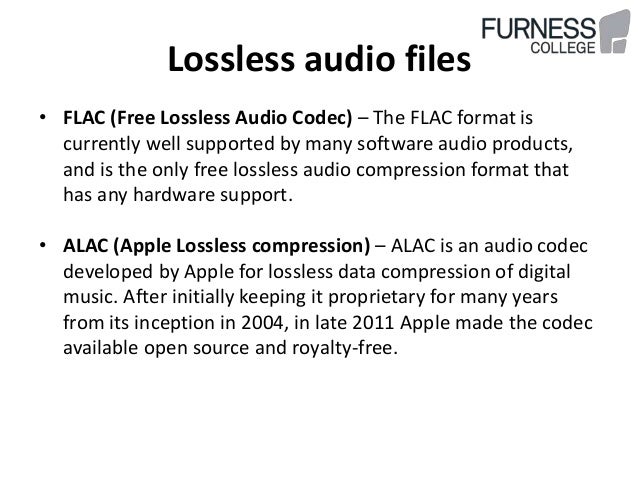
The MKV format also supports almost any audio format, including lossless audio like FLAC and audio container formats like Ogg. It is also compatible with Speex, a lossy audio compression format for speech. The Matroska development team is confident that future video and audio formats will also be supported, thanks to the core EBML MKV format.
Not all audio players support MKV files. VLC Player, an open source and open source cross-platform audio and video player, supports MKV format without using any special plugins or codecs. Mastroska’s CorePlayer Pro and Mobile are other options. DirectShow® based Microsoft® players can play MKV files with the Community Combined Codec Pack (CCCP) installed. A full list of players, codecs, and plugins that support MKV is available on the Matroska website at the download link.
MKV support also extends offline. Manufacturers such as Samsung® and LG® already have dedicated HDTVs and Bluray® players that support MKV streaming.