
Lossless audio file types: how it differs from Lossless

The word Lossy is used in digital audio to describe the type of compression used to store audio data.
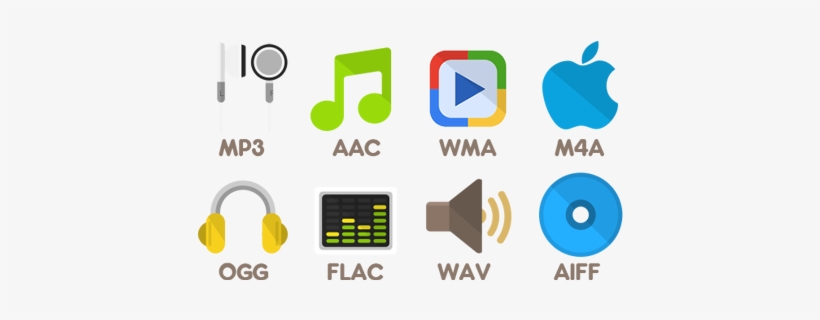
The algorithm used in the lossy audio format compresses the audio data in such a way that certain information is discarded. This loss of signal means that the encoded sound is not identical to the original.
Lossy audio produces lower quality audio and has a smaller file size.
Lossy compression is also called irreversible compression because data that has been deleted is impossible to recover.
What is the difference between Lossy and Lossless?
When you create MP3 files by ripping one of your music CDs, some details of the original recording are lost, making it a lossy format. This type of compression is not just limited to audio; for example, JPEG image files are also lossy compressed.
Sheets of colored paper compressed into a ball
This method is the opposite of lossless audio compression used for formats like FLAC, ALAC, and others. In this case, the audio is compressed in such a way that the data is not deleted. The sound is identical to the original source.
Lossy archives take priority when it comes to compatibility. While lossless files are only supported by some devices and apps, a lossy audio format like MP3 will work on almost any device.
Examples of lossy and lossless audio file types
With losses Without loss
AA3 ALAC
CAA FLAC
MP3 MONO
MPC SHN
OGG TTA
WMA West Virginia
How Lossy Audio Compression Works
Lossy compression makes certain assumptions about frequencies that the human ear is unlikely to detect.
When a song is converted to a lossy audio format, such as AAC, the algorithm analyzes all frequencies and then discards the frequencies that the ear should not be able to detect. These low frequencies are filtered or converted to mono signals that take up less disk space.
Another technique rules out very quiet sounds that the listener is unlikely to notice, especially in the loudest part of the song. This approach reduces the size of the audio file while maintaining the highest possible audio quality.
What happens to audio when it is compressed
Lossy compression introduces artifacts. These artifacts are unwanted sounds that are not in the original recording, but are a by-product of compression. This noise degrades sound quality and is noticeable when music files are converted with low bit rates.
Various types of artifacts affect the quality of the recording. Distortion is one of the most common artifacts. For example, the distortion makes the drums feel weak, without any real beat. Song voices can also be affected, resulting in harsh vocals and a lack of detail.
In many cases, casual listeners cannot differentiate between lossy and lossless encoding, although some audiophiles using very expensive equipment claim to hear the difference. The quality difference is only noticeable when very low data rates or aggressive compression algorithms come into play.


