
How MP3 Players Work
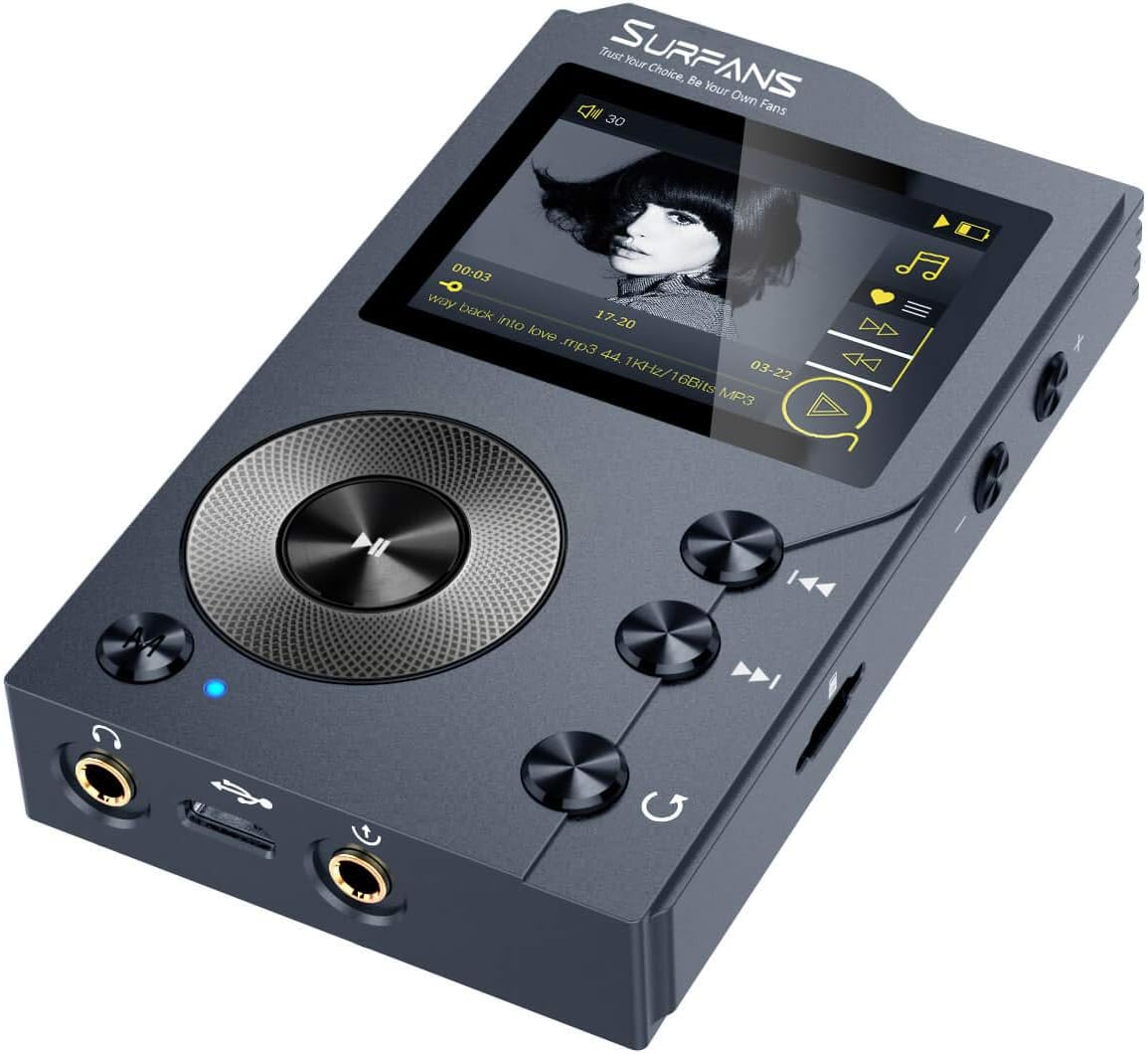
The MP3 player is the latest in the evolution of music formats that help consumers enjoy music.

Records, eight-track tapes, cassettes, and CDs – none of these music formats provided the convenience and control that MP3 players did before. With an MP3 player in their hand or pocket, consumers can create personalized playlists and take thousands of songs with them.
they go.
All the stored music and the MP3 player itself can fit in a single device that, in some cases, weighs less than an ounce. Portability is a major factor in the popularity of MP3 CD players and CD storage cases. In addition, some devices offer additional technology, such as video and photo viewing, alarm and calendar functions, and even cell phone and Internet services.
In this article, you will learn more about the technology behind MP3 players and the different types of players available. You can also find out how to get the melodies and how to use the accessories for your player. Get started by learning the MP3 file format on the next page.
content
The MP3 file format
this technology
Types of MP3 Players
fill your playlist
Accessories Your MP3 Player
The MP3 file format
The MP3 file format for music made its debut in the late 1990s, a file-sharing service, and the first portable MP3 players. MP3, or MPEG Audio Layer III, is a method of compressing audio files. MPEG is an acronym for Moving Picture Experts Group, which develops video data compression systems, including those used in DVD movies, television broadcasts, and digital satellite systems.
Using the MP3 compression system reduces the number of MP3 bytes in a song, while preserving CD-like quality sound. Every time you compress a song, its quality is degraded in order to carry more music files on a smaller storage system. A smaller file size also allows songs to download from the Internet faster.
Consider that the average song is about four minutes long. On a CD, that song uses about 40 megabytes (MB), but it uses only 4 MB if compressed into MP3 format. On average, 64 MB of storage is equivalent to an hour of music. A music listener who has an MP3 player with 1 GB (about 1000 MB) of storage space can carry about 240 songs or the equivalent of about 20 CDs. Songs stored on traditional CDs are already uncompressed, so more discs are needed to store the same number of songs. (Some CDs support MP3 files.)

