
What is the normal bit rate on an MP3?
A normal bit rate for an MP3 is between 128 kilobits per second, or kbps, and 320 kbps. Different bit rates in this range have different advantages; To rip music from CD to MP3, choose the bit rate that best suits your purposes. In general, the higher the bit rate of an MP3, the better the audio quality, but the larger the file size. The most common bit rates in MP3s are 128 kbps, 192 kbps, and 320 kbps.
Bit rate
The bit rate of an MP3 indicates the density of the audio information contained in the file. Therefore, every second on a 192 kbps MP3 contains 192 kilobits (24 bytes) of data. The higher the bit rate, the more information the MP3 contains; the more information it contains, the quality is closer to the original audio recording. The bit rate also determines the size of the MP3 file: a four-minute song encoded at 128 kbps takes up just over 3.5 MB, while the same song encoded at 320 kbps requires more than 9 MB of space.

Choosing a bit rate
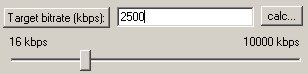
When you convert a sound file or rip your CD collection to MP3, you must specify the bit rate you want the encoder to use. Choose a bit rate based on the type of audio you are encoding and its intended purpose. If you are converting a conference or other piece of vocal audio, a 128kbps bitrate is more than enough. If you’re encoding MP3 files for use with a portable media player, a 192kbps bitrate usually provides a good balance between audio quality and file size. If you are converting your CD collection to MP3 for archiving, encode the files with a 320 kbps bit rate.
Variable bit rate
Encoding with a variable bit rate changes the MP3 bit rate depending on the type of data present at a certain point in the audio. For example, a variable bit rate encoder could encode a dense piece of information from an MP3 at 320 kbps; however, when the audio contains a mute section, the encoder lowers the bit rate to 32 kbps. If the bit rate of an MP3 has an unusual number (for example, 204 kbps), this indicates that the MP3 creator encoded it with a variable bit rate.
Bit rate conversion
Although most MP3 encoding and conversion programs can modify an MP3 at a different bit rate, this is not a good idea, generally speaking. Converting an MP3 to a higher bit rate does not add audio information to the file, so the sound quality is not increased. Converting an MP3 to a lower bit rate reduces the file size, but could also introduce audio defects, since the encoder is compressing a file that is already compressed. If you need an MP3 file to have a different bit rate, re-encode an MP3 from the original audio CD or WAV file.


