The Difference Between a Compressor and a Limiter


Free Download Mp4Gain
picture

The Difference Between a Compressor and a Limiter
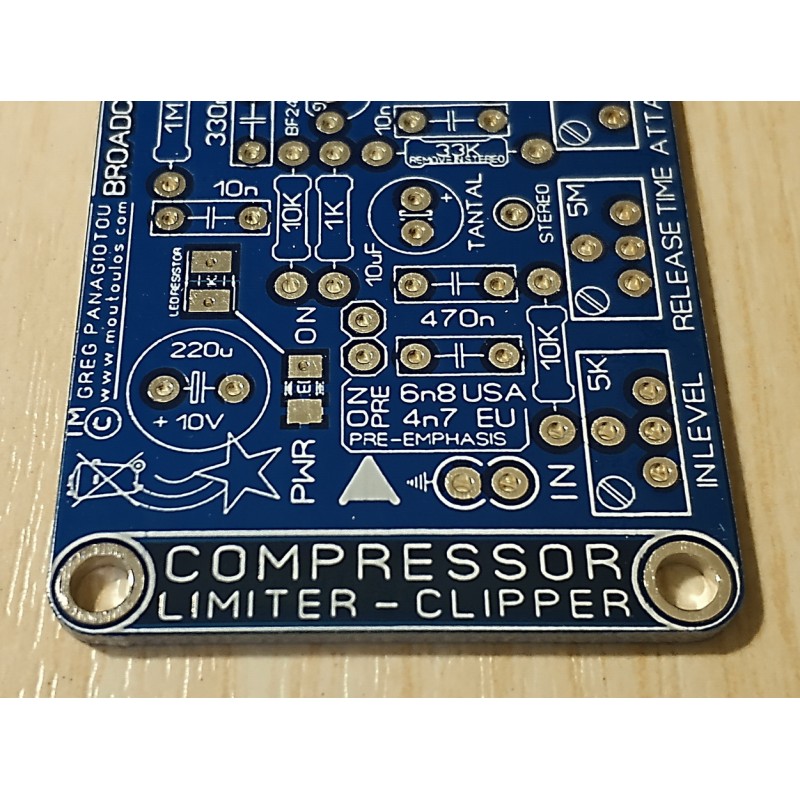
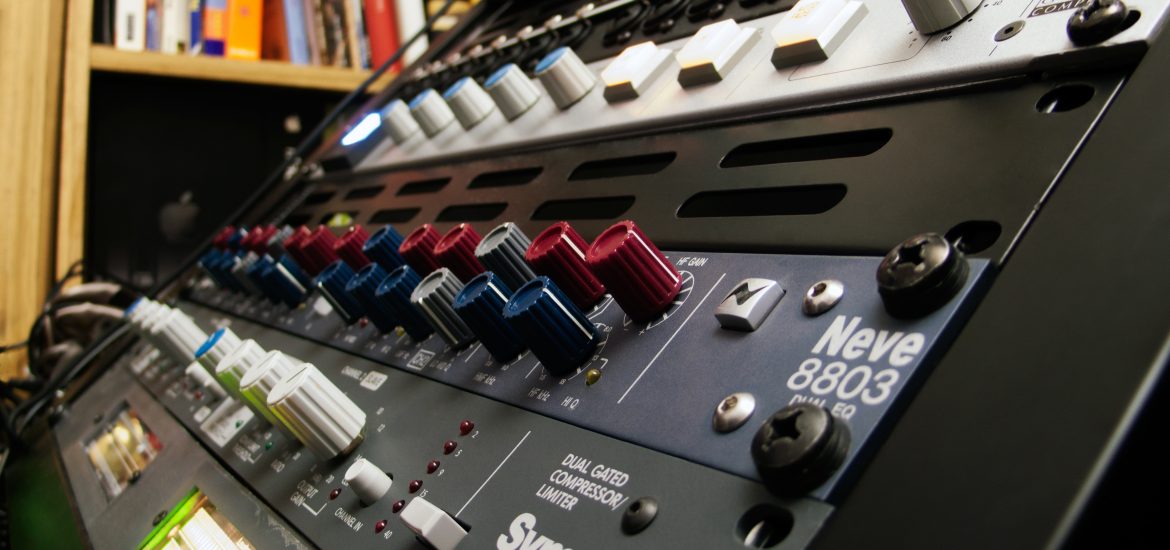
The Difference Between a Compressor and a Limiter)
The Difference Between a Compressor and a Limiter

Compressor and Limiter: What Are They?

As a music producer and audio engineer, I have had my fair share of using compressors and limiters. Both of these audio processing tools are used to control the dynamic range of audio, but they do so in different ways.

A compressor reduces the dynamic range of audio by decreasing the volume of loud parts and increasing the volume of quiet parts, creating a more even level of audio. On the other hand, a limiter sets a hard limit to the maximum volume of audio, preventing it from exceeding a certain threshold.

Experience:

I remember working on a song where the vocals were all over the place, and the dynamic range was too wide. The loud parts were too loud, and the quiet parts were too quiet. Adding a compressor to the vocal track helped me smooth out the levels and create a more consistent sound.

How Do They Work?

Compressors and limiters work by using a combination of threshold, ratio, attack, release, and gain settings.

The threshold determines at what level the compressor or limiter starts to activate. The ratio determines how much the audio is reduced or limited once the threshold is crossed. The attack setting determines how quickly the compressor or limiter reacts to changes in the audio, and the release setting determines how long it takes for the effect to stop after the audio drops below the threshold. Finally, the makeup gain setting determines how much to boost the level of the audio after compression or limiting.

What is the difference between a compressor and a limiter? This is a common question among audio enthusiasts and professionals. While both devices are used to control the dynamics of audio signals, they have some important differences.

Compression is used to reduce the dynamic range of audio signals. It works by decreasing the level of audio above a certain threshold. This is done by applying gain reduction to the audio signal when it exceeds the threshold. Compression is commonly used in music production to control the level of vocals and instruments, making them sit better in the mix.

A limiter, on the other hand, is a type of compressor that is designed to prevent audio levels from exceeding a certain threshold. It works by applying a fixed amount of gain reduction to the audio signal when it exceeds the threshold. This makes it useful for preventing distortion caused by audio levels that are too high.

When it comes to the settings of compressors and limiters, there are several parameters that can be adjusted. The threshold determines at what level the compressor or limiter starts to activate. The ratio determines how much the audio is reduced or limited once the threshold is crossed. The attack setting determines how quickly the compressor or limiter reacts to changes in the audio, and the release setting determines how long it takes for the effect to stop after the audio drops below the threshold. Finally, the makeup gain setting determines how much to boost the level of the audio after compression or limiting.

In my personal experience, I have found that using a limiter is often necessary when working with audio that has a wide dynamic range, such as live recordings. It helps to prevent distortion and keeps the audio levels under control. On the other hand, when working with more controlled recordings, such as in a studio environment, a compressor can be more useful for shaping the sound and controlling the levels of individual tracks.

As audio engineer Bob Katz puts it in his book “Mastering Audio: The Art and the Science”: “The compressor is a tool of transparency; it must not be heard. The limiter is a tool of protection; it must be heard only when it protects.” This quote highlights the different purposes of these two devices and how they are used in different contexts.

In conclusion, while compressors and limiters may seem similar at first glance, they serve different purposes and have different settings that can be adjusted to achieve different effects. Understanding the differences between these devices can help audio enthusiasts and professionals make informed decisions when working with audio.


Free Download Mp4Gain
picture


Mp4Gain Main Window
picture


Mp4Gain Features
picture


Free Download Mp4Gain
picture

The Science Behind Digital Audio Compression

The Science Behind Digital Audio Compression

Digital Audio Compression


Digital audio compression is a complex topic that is often misunderstood. It is a process that reduces the size of digital audio files without affecting the overall quality of the sound. The goal of this article is to provide a comprehensive overview of the science behind digital audio compression, including its history, the different types of compression, and how it affects the quality of the sound.

Digital Audio Compression

The History of Digital Audio Compression

The history of digital audio compression can be traced back to the early 1990s when the first MP3 encoder was developed. MP3 stands for MPEG-1 Audio Layer 3 and is a method of compressing digital audio files. This compression method quickly gained popularity due to its ability to reduce file size without compromising the quality of the sound.

Since then, many different types of digital audio compression have been developed, each with its own set of advantages and disadvantages. However, they all work on the same principle of reducing the amount of data in the audio file while maintaining the overall quality of the sound.

The Different Types of Digital Audio Compression

There are two main types of digital audio compression: lossy and lossless. Lossy compression is the most common type of compression and is used in formats like MP3, AAC, and WMA. It works by removing parts of the audio file that are deemed less important to the overall quality of the sound.

Lossless compression, on the other hand, is used in formats like FLAC and ALAC. This method of compression works by compressing the file in a way that allows it to be decompressed back to its original form without losing any of the data. This means that the sound quality is preserved, but the file size is still reduced.

The Science Behind Digital Audio Compression

Digital audio compression works by reducing the amount of data in an audio file. The amount of data in an audio file is measured in bits per second (bps) or kilobits per second (kbps). The higher the bitrate, the better the quality of the sound. However, higher bitrates also mean larger file sizes.

Compression algorithms work by analyzing the audio data and removing parts that are not critical to the overall sound quality. These parts can include frequencies that are outside the range of human hearing or parts that are masked by other sounds in the file.

Once the compression algorithm has identified the parts of the file that can be removed, it uses a mathematical formula to compress the remaining data. This formula is designed to reduce the size of the file without affecting the overall quality of the sound.

The Effects of Compression on Sound Quality

The goal of digital audio compression is to reduce the size of the file without affecting the overall quality of the sound. However, compression can have some effects on sound quality, depending on the type of compression used and the bitrate of the original file.

Lossy compression, for example, can result in a loss of high-frequency information and dynamic range. This can lead to a loss of detail in the sound and a less natural-sounding reproduction of the original recording.

Lossless compression, on the other hand, preserves the original sound quality of the recording, but the resulting file sizes can still be quite large. This makes it less practical for use in situations where file size is a concern.

The Future of Digital Audio Compression

The future of digital audio compression is closely tied to the ongoing development of digital audio technology. As technology continues to improve, the potential for more efficient compression algorithms and higher quality sound reproduction is becoming a reality.

One of the most exciting developments in digital audio compression is the emergence of artificial intelligence (AI) and machine learning. These technologies have the potential to create compression