Explain the difference between MP3 and MP4, sound quality and conversion method! Part 2

Explain the difference between MP3 and MP4, sound quality and conversion method! Part 2

MP3 vs MP4

What is MP4? File format for video files

MP3 and MP4

MP4, on the other hand, is a file format. Unlike MP3, it can be used not only for audio but also to save video files. Of course, it is possible to save only video, only audio, video and audio, etc., and many people usually see formats like AAC in MP4 music.

What is the difference between MP3 and MP4?

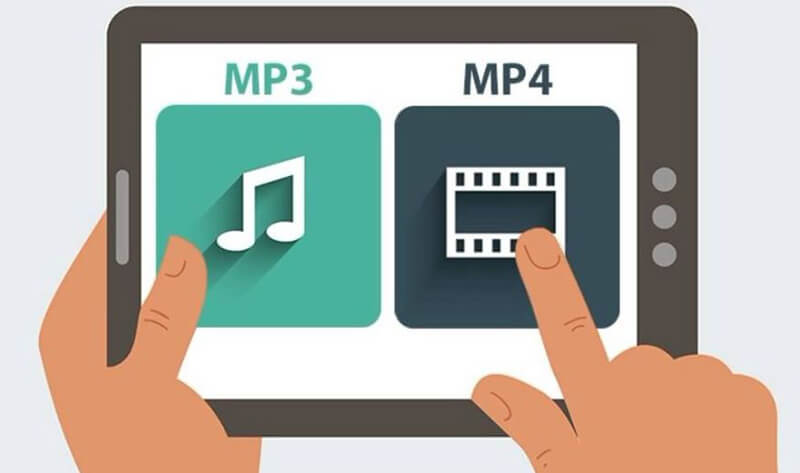
As mentioned above, the difference is that MP3 can save only audio and mp4 can save not only audio but also video.

Is there any difference in sound quality? Which is better?
However, it is difficult to compare what is better, MP3 or MP4. The MP4 music format is AAC (.m4a), which is stored with compression with loss as mp3. Therefore, there is almost no difference in sound quality between MP3 and MP4.

If there is a difference / which is better, MP3 is best to save at a high bit rate and M4A (AAC) is better to store at a lower bit rate.

How to convert MP3 and MP4

Since there is almost no difference in sound quality between MP3 and MP4, basically the first is used only for audio and the second is used for video (video + audio).

Both formats are often used as music files, but that format may not be available according to the device that reproduces the music.

Since MP3 is a versatile file that can be played on most devices, some people may want to convert it from MP4. Based on that, I will present how to perform mutual conversion.

Convert MP3 to mp4
Some people may want to convert MP4 due to the bit rate, so first I will show you how to convert MP3 to MP4. Access the next site. Use MP4Gain and you can convert between all audio and video formats easily with a single click.

Finally
There is not a big difference in sound quality between MP3 and MP4, simply because they are used for different purposes. Basically, MP3 should be used only for audio and MP4 should be used in a video file.

In addition to the conversion methods presented here, it can also convert with each other via software, so use the conversion method that suits you most.

Explain the difference between MP3 and MP4, sound quality and conversion method!

Explain the difference between MP3 and MP4, sound quality and conversion method!

MP3 and MP4

Many people know that MP3 and MP4 are the main codecs for audio files. I am sure that some people do not really understand what is the difference between MP3 and MP4. In addition to the differences between MP3 and MP4, we will also explain how to convert between them.

MP3 vs MP4

1Difference between MP3 and MP4
· What are MP3 and MP4 in the first place?
· What is the difference between MP3 and MP4?
· How to convert MP3 and MP4
·Finally

Difference between MP3 and MP4

Many people know that there are MP3 and MP4 codecs for audio files, but it is possible that some people are not familiar with the details of how they differ first.

What are MP3 and MP4 in the first place?

Both MP3 and MP4 are used as formats related to music. If you divide approximately both, MP3 is for Audio and MP4 is for video.

What is MP3? File format for audio files

Although MP3 is a file format, it is also stored in an audio compression format called compression format with loss. Only the audio can be saved in mp3.

This loss compression format adjusts the data from the file by eliminating the parts that are difficult to perceive for humans, so the quality of the sound deteriorates considerably depending on the bit rate.

If you save at a high bit rate, the sound quality will be high if you are in MP3, but if you try to restore it, it will continue deteriorating.

What is MP4? Difference between MP3 and MP4

What is MP4? Difference between MP3 and MP4

MP3 vs MP4

MP4 files are just a newer and better version of MP3 files, right?

MP3 vs MP4

Oh no.

This one-digit difference may give the impression that they are more or less the same, but nothing could be further from the truth. Each has its own uses, history, and benefits, so let me repeat, MP3 and MP4 are not the same.

In this article, we will explain some key differences that everyone should know about. When you finish reading, you will know exactly what type of file suits your needs.

Understanding MPEG
But before delving into the differences, it’s important to understand where the two types of files come from.

MP3 is the abbreviation for MPEG-1 Audio Layer 3. It was one of two formats that were considered for the MPEG audio standard in the early 1990s. The electronics firm Philips, the French research institute CCETT, and the German Institute of Broadcast Technology supported the format because of its simplicity. , without errors and computational efficiency.

The decision was made in 1991 and the MP3 files were made public in 1993.

MP4 stands for MPEG-4 part 14. This technology is based on Apple’s QuickTime MOV format, but adds support for other MPEG functions. The file type was first released in 2001, but it is a 2003 reissue that is now widely used when viewing MP4 files.

Audio only versus digital media

The most fundamental difference between MP3 and MP4 lies in the type of data they store.

MP3 files can only be used for audio, while MP4 files can store audio, video, still images, subtitles, and text. Technically speaking, MP3 is an “audio encoding” format and MP4 is a “digital media container.”

MP3: King of Audio
Because they store audio so well, MP3 files have become the de facto standard

for music software, digital audio players, and music streaming sites. No matter what operating system or device you have, you can be sure that MP3s will work without any problem.

See also: What is the refresh rate?
The main reason they are so popular is how the file type works. MP3 uses lossy compression

, which significantly reduces the size of the audio file, practically without affecting its quality. The process works by removing any data that is outside of the average person’s hearing range, and then compressing the rest as efficiently as possible.

MP3 files also allow users to find a balance between sound quality and file size.

If you are a music lover, you can choose a larger file size with a higher bit rate and better sound quality. On the other hand, if you want to include as much music on your portable device as possible, you can reduce the file size and sound quality accordingly.

Also, MP3s will always be smaller than equivalent MP4 files. If your audio player or smartphone fills up, you should convert any audio saved in MP4 format to MP3 format. Please note that it may affect sound quality in the process!

MP4: more options, more flexibility
MP4 files are “containers”: instead of storing the file’s code, they store data. So MP4 files don’t have their own way of handling file encoding. They are based on specific codecs to determine how encoding and compression will be handled.

There are hundreds of codecs on the market today, but not many will work with normal MP4 players. For a player to be able to read and play an MP4 file, it must have the same codec. Most supported codecs:

video: MPEG-4 part 10 (H.264) and MPEG-4 part 2.
audio: AAC, ALS, SLS, TTSI, MP3 and ALAC.
Subtitles: MPEG-4 synchronized text.
These codecs give MP4 much more flexibility than MP3. For example, M4A files (which are MP4 files that only contain audio) can handle both Advanced Audio Coding (AAC) and Apple Lossless Audio Coding (ALAC). The choice of quality is up to the user. Either way, the file will appear as an MP4 file, but the data in that file will vary greatly.

See also: How does file compression work?
Besides audio, MP4 files can also contain video, images, and text. You will often see multiple file extensions indicating the type of data in the container. Some of the most common are:

MP4 – the only official extension.
M4A – Unprotected sound.
M4P – Audio encrypted by FairPlay Digital Rights Management.
M4B: audiobooks and podcasts.
M4V: MPEG-4 visual bitstreams.
Understand file metadata
MP3 and MP4 files support metadata.

What is the difference between MP3 and MP4?

What is the difference between MP3 and MP4?

MP3 vs. MP4

MP4 files are just a newer and better version of MP3 files, right? The answer is no. This ambiguous difference may give the impression that they are the same thing, but nothing could be further from the truth. Each has its own uses, history, and benefits, so let me repeat: MP3 and MP4 are not two versions of the same thing. In this article, I’ll explain some of the key differences that everyone should know about.

MP3 vs MP4

When you have finished reading, you will know exactly which file type is right for your needs. MPEG Overview But before delving into the differences, it is important to understand where these two types of files come from. Mp3 is short for MPEG-1 Audio Layer 3. It was one of two formats that were considered for the MPEG audio standard in the early 1990s. Philips, the French research institute CCETT, and the German Institute of Technology for Broadcasting have supported the format because of its simplicity, minimal error, and computational efficiency.

The decision was made in 1991 and the MP3 files were made available to the public in 1993. MP4 stands for MPEG-4 Part 14. This technology is based on Apple’s QuickTime MOV format, but adds support for various other MPEG functions. . The file type was first released in 2001, but it is a 2003 reissue and is now commonly used when viewing MP4 files. Audio and digital media only

The most fundamental difference between MP3 and MP4 is the type of data they store. MP3 files can only be used for audio, while MP4 files can store audio, video, still images, subtitles, and text. Technically speaking, MP3 is an “audio encoding” format and MP4 is a “digital media container.” MP3: King of Audio Because they are so good at storing audio, MP3 files have become the de facto standard for audio formats for music software, digital audio players, and music streaming sites. Regardless of the operating system or device you have, you can be sure that MP3s will work right out of the box without any problems. The main reason they are so popular is the way the file type works. MP3 files use lossy compression, which greatly reduces the size of the audio file with little effect on its quality.

The process works by removing all the data that is beyond the average person’s hearing and then compressing the rest as much as possible. MP3 also allows users to balance sound quality and file size. If you are an audiophile, you can go for larger files with higher bit rates and better sound quality. On the other hand, if you want to compress as much music as possible on your portable device, you can reduce the file size and sound quality accordingly. Also, MP3s will always be smaller than equivalent MP4 files.

If your audio player or smartphone is getting crowded, you can convert any audio saved as MP4 format to MP3. Be aware that the sound quality may decrease in the process. MP4: more use, more flexibility MP4 files are “containers”: instead of storing the code of the file, they store data. So MP4 files don’t have their own way of handling file encoding. They are based on specific codecs to determine how encoding and compression will be handled. There are currently hundreds of codecs, but not many work with MP4. For the device to be able to read and play the MP4 file, it must have the same codec. Most supported codecs: Video: MPEG-4 Part 10 (H.264) and MPEG-4 Part 2. Audio: AAC, ALS, SLS, TTSI, MP3 and Subtitles: MPEG-4 Timed Text. These codecs give MP4 much more flexibility than MP3. For example, M4A files (which are MP4 files that only contain audio) can handle both Advanced Audio Coding (AAC) and Apple Lossless Audio Coding (ALAC). The choice of quality is up to the user. Either way, the file will appear as an MP4 file, but the data in the file will vary significantly. Besides audio, MP4 files can also contain video, images, and text. You will often see multiple file extensions indicating the type of data in the container. Some of the most common are: MP4 is an official extension. M4A: unprotected audio. M4 P: encrypted audio recording (digital rights management) M4B: audiobooks and podcasts. M4V: MPEG-4 visual bitstreams.