Audio and Video Series: Audio Basics

Introduction to sound
Definition: Sound is a sound wave produced by vibration, a wave phenomenon that propagates through a medium (gas, solid, liquid) and can be perceived by the hearing organs of humans or animals.
Essential: Sound is a mechanical wave.
Three elements of sound.
Tone : sound frequency (audio), boys > girls > boys
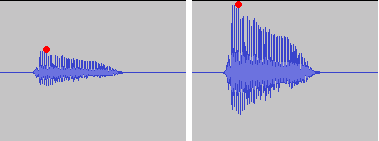
Volume: The amplitude (amplitude) of the vibration, also known as the pitch
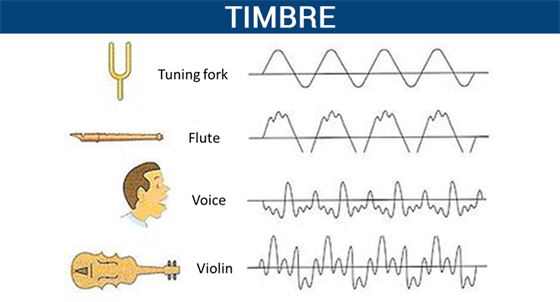
Timbre: The waveform of the sound, which is essentially harmonic, also known as fret, has a lot to do with the material
Icon:
tone and volume
doorbell
psychoacoustics
Psychoacoustics is the study of human perception of sound, that is, the science of human physiological and psychological responses to sound (including speech and music).
hearing/voice range
hearing range
sonar heading and range
audio quantization
quantification process
audio quantization
basic concept
Sample Size – How many bits are used to store a sample. 16 bit common
Sampling rate : 8k, 16k, 32k, 44.1k, 48k sampling rate
Number of channels: mono, dual, multichannel
Bit rate calculation
Bit rate = sample rate × sample size × number of channels
What:
The sample rate is 44.1 kHz, the sample size is 16 bits, and the two channel PCM encoded WAV file
Bitrate = 44.1k × 16 × 2 = 1411.2kb/s = 176.4KB/s
audio compression
Audio compression is a type of data compression used to reduce the transmission bandwidth requirements of streaming audio media and the storage size of audio files.
compression method
lossless compression
All the information of the original file is preserved and there is no difference from the original file on playback.
Data compression through information redundancy is a reversible process.
lossy compression
Approximate some information in the original file to get a smaller file.
The incorporation of human psychology and recognition of the auditory system in the compression results is an irreversible process.
Audio signals outside the range of human hearing and audio signals that are masked.
masking effect
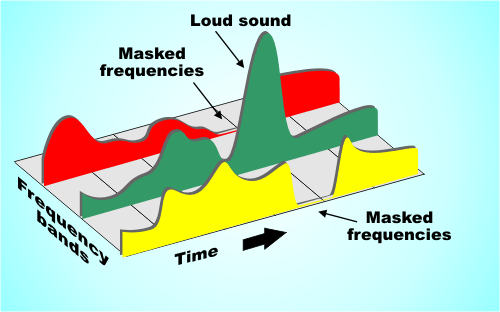
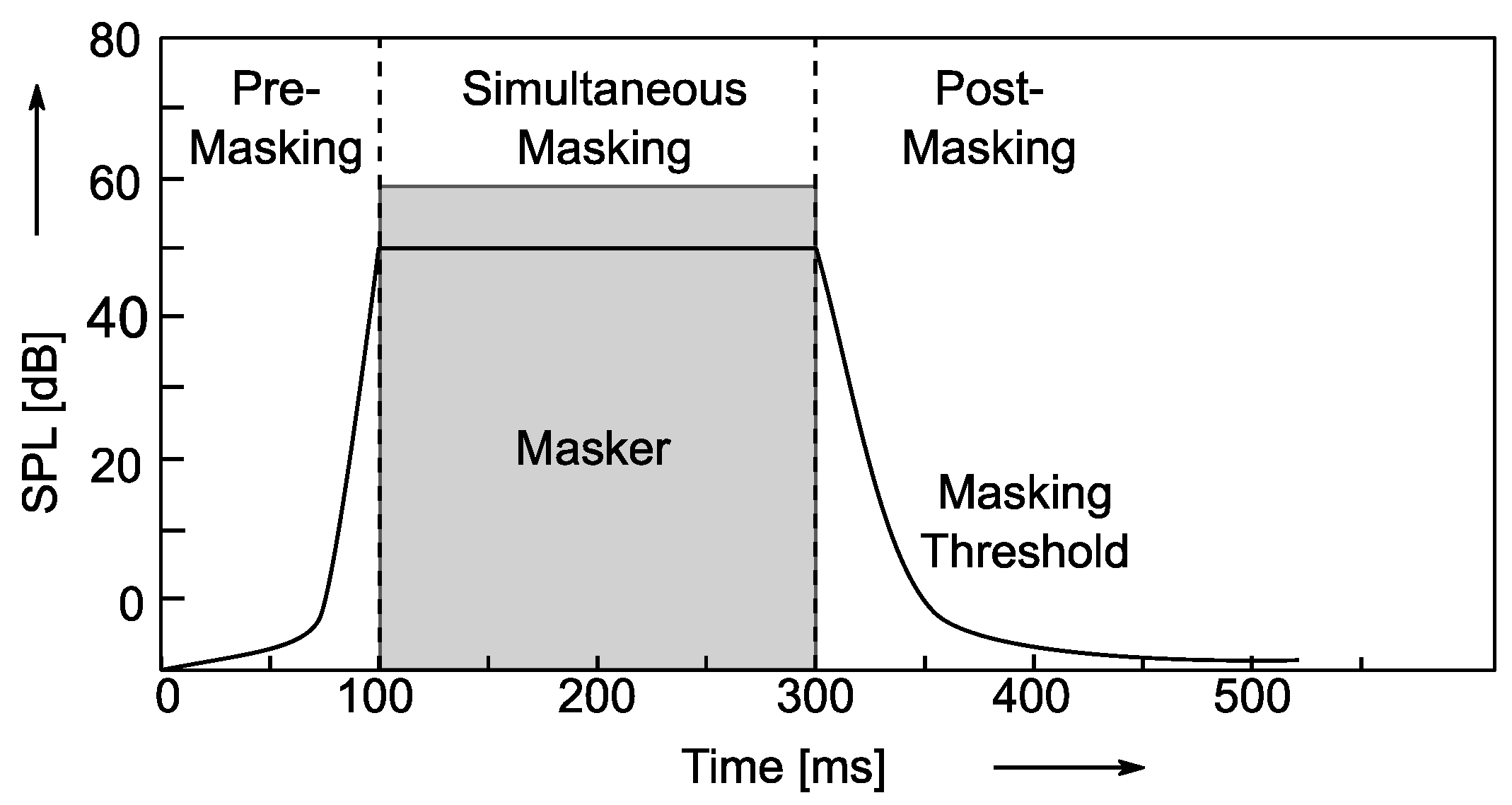
Masking effect: A phenomenon in which the auditory system’s perception of one sound is obstructed by another.
frequency domain masking
One sound is drowned out by another sound at the same time.