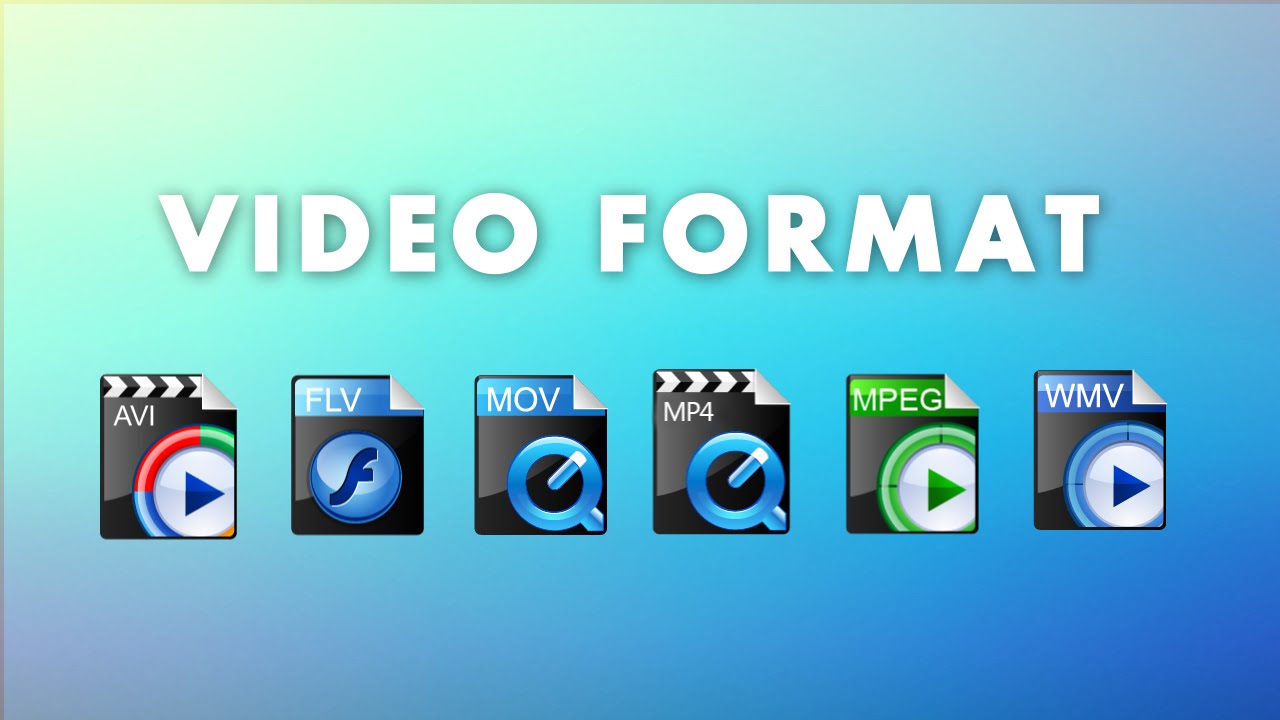
Video format comparison: MOV, FLV, MP4 and 3GP
Each video file format has its own unique characteristics, which make it ideal for specific uses. This fact forces the user to have to choose between them more and more frequently. The most important criteria in making this decision is which characteristics of the file types best suit your specific needs. To help you choose the best type of video file, here is a list of the pros and cons of the most popular video formats.


The .mov video format
The MOV video file format was developed by Apple with the aim of bringing clear benefits to users. One of these advantages is the high quality of MOV videos. Cinema purists and filmmakers who want to create long digital movies, in particular, are determined by the quality preservation properties of the MOV format. When working with MOV files, optimal video quality will be maintained throughout the project. Although MOV is closely linked to Apple, the files can also be opened with Quicktime Player on Windows.
A major problem with MOV is the lack of support from the various media player applications. Many users have to download new software before they can play MOV video. Also, the files are very large, which requires more hard disk space. This can slow down old hardware.
Ultimately, .mov was designed for a specific group of users, especially those who value high video quality. Even if these files are generally used less frequently, they are of great value to a small target group.
The word ‘video’ is made up of many letter tiles.
With the right video format, projects can be implemented smoothly.
The .flv video format
The FLV video file format stands for Adobe Flash Videos. It is the most widely used type of video file on the Internet. The reason for the enormous popularity of .flv is that the format works optimally in all major browsers. Therefore, leading video portals like YouTube also use Flash videos by default. Another reason for the frequent use of FLV video files is that it is suitable for various video formats, including commercial ones.
There is also a downside to the FLV format: if a lot of Flash videos are hosted on a website, it can get slower overall. This is especially likely to be felt by visitors with slower Internet access. This is still a major problem at this time. As the Internet becomes more accessible, this concern will lessen in the future.
A man is editing a video on a laptop.
The FLV video format sadly affects the loading times of websites.
The video format .mp4
The MP4 video file format offers high-quality video. Unfortunately, the format is not ideal for a single task. But that doesn’t mean that these files don’t have many advantages as well. In fact, MP4 files are so small that they are ideal for storing in a video asset management system. Even at such a small size, the video quality is amazing. They are also great for sharing videos due to their high browser compatibility.
Therefore, it is quite paradoxical that the MP4 format is used as the standard in most photo and video cameras, as it scares filmmakers so much. The reason for this is that .mp4 files do not edit well. Without the proper properties that allow for proper editing and good editing, the MP4 video format does not meet the requirements of one of the potentially most important user groups.
A hand holding a camera lens in the forest.
MP4 videos retain high quality despite their small file size.
The .3gp video format
The 3GP video format corresponds to the Third Generation Partnership Project and is the associated file extension. It can be opened with many programs, is inexpensive in terms of memory requirements, and optimally protects data. It is ideal for mobile devices that cannot cope with high traffic when streaming video to each other.
Also, the .3gp file type has a dominant position in relation to video transmitted via text messaging services. This will continue despite certain weak points.
A key problem with 3GP relates to compression and the difficulties it presents. Users who care about maintaining video quality will be amazed at the end result of compression. Although this deficit is a necessary evil for the sake of functionality, many users still find it negative.
Get familiar with the big differences between video file types. This will allow you to make the right decisions for a successful implementation of future projects. Once you have a solid understanding of video formats, consider using a digital asset management system to manage your video files.