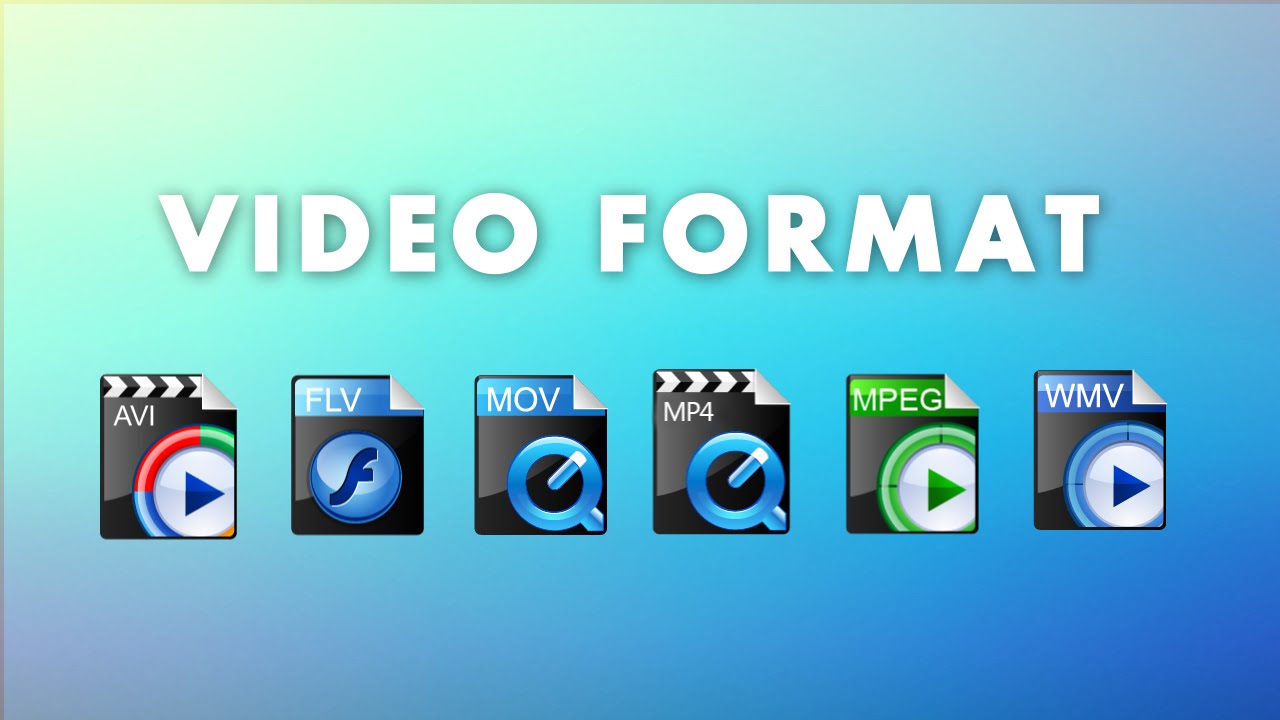
Best Format to Make a Pro Video


Selecting the right format for creating a professional video is akin to choosing the perfect canvas for a masterpiece. The video format sets the foundation for your project, impacting its quality, compatibility, and overall appeal. Let’s explore the importance of selecting the best format for pro-level video production.
Imagine you’re a skilled photographer preparing to capture a breathtaking landscape. Just as you’d select the ideal lens and camera settings, choosing the right video format is paramount. Different formats offer varying levels of detail, color depth, and compression. For pro-level work, formats like ProRes and DNxHD are often preferred. These formats preserve the highest quality, ensuring your video retains its visual integrity throughout editing and post-production.
Additionally, consider the platform where your video will be showcased. If it’s destined for the big screen, formats like CinemaDNG or REDCODE RAW might be ideal, offering the utmost in cinematic quality. On the other hand, web content or streaming services often favor formats like H.264 or H.265 for efficient online delivery without compromising too much on quality.
Choosing the best format is akin to selecting the right ingredients for a gourmet dish. Each format brings its unique flavor to your video, and your choice should align with your creative vision and the preferences of your audience.
What Are the Key Considerations for Selecting a Video Format?
Selecting a video format is a multifaceted decision, much like choosing the right vehicle for a cross-country road trip. Several key considerations come into play when deciding on the best format for professional video production.
Resolution is a fundamental factor. Higher resolutions, such as 4K or even 8K, offer exceptional detail and clarity, perfect for pro-level work. However, they also require more storage space and processing power. Consider the technical capabilities of your equipment and your post-production workflow when determining the ideal resolution.
Color depth is another critical aspect. Professional formats often support a wide color gamut, allowing for rich, vibrant visuals. This is particularly important if your video involves intricate color grading or if you intend to showcase it on high-quality displays.
Compression plays a vital role in video formats. Some formats use lossless compression, preserving every detail, while others use lossy compression, sacrificing some detail for smaller file sizes. Your choice should align with your storage and bandwidth constraints.
Lastly, compatibility is key. Ensure the format you choose is supported by your editing software, playback devices, and distribution platforms. It’s like selecting a language that your entire team understands to communicate effectively.
In essence, the best video format for professional content hinges on a careful balance of technical specifications, creative goals, and practical considerations.
Importance of Video Format in Professional Video Production
The importance of the video format in professional video production is akin to the foundation of a skyscraper. It’s the bedrock upon which your entire project stands. The format dictates how your video will be captured, edited, and ultimately presented to your audience.
Consider a scenario where you’re shooting a documentary in a remote location. The right video format can make the difference between capturing stunning landscapes with vibrant colors and struggling with subpar footage. Professional formats often provide a broader color gamut, ensuring your visuals are as breathtaking as the real-life scenes.
Additionally, the editing process relies heavily on the chosen format. Pro-level formats like ProRes or DNxHD offer robust support for post-production workflows, allowing for extensive color grading, compositing, and effects. This flexibility is like having a vast palette of colors at your disposal as a painter, enabling you to craft your video with precision.
Furthermore, when it’s time to showcase your work to the world, the video format can affect the viewing experience. A well-chosen format ensures that your audience enjoys your video as intended, whether it’s on a cinema screen, a television, or a mobile device. It’s like presenting a gourmet meal on fine china, elevating the dining experience.
In summary, the video format is the backbone of professional video production, influencing every aspect of your project. It’s essential to select a format that aligns with your creative vision and technical requirements to create a truly exceptional pro-level video.
Optimizing Video Format for Pro-Level Content
Optimizing the video format for pro-level content is a meticulous process, much like crafting a precision instrument. It requires attention to detail and a deep understanding of the technical aspects of video production. Let’s explore the steps involved in optimizing the video format for professional-grade content.
Step 1: Determine the Project’s Requirements
Begin by assessing the specific needs of your project. Consider the target audience, the platform where the video will be showcased, and the technical capabilities of your equipment. Are you creating a cinematic masterpiece for the big screen, or is it web content for online streaming? Understanding these requirements is crucial for format selection.
Step 2: Choose the Right Resolution
Selecting the appropriate resolution is essential. Pro-level content often benefits from higher resolutions, such as 4K or 8K, to capture intricate details. However, remember that higher resolutions require more storage and processing power. Ensure your equipment can handle the chosen resolution without compromising performance.
Step 3: Optimize Color Depth
Professional formats offer a wide color gamut, providing the flexibility for extensive color grading. This is particularly important if your project involves complex color correction or if you’re aiming for cinematic visuals. Choose a format that supports the color depth required for your creative vision.
Step 4: Consider Compression
Compression affects both file size and video quality. Lossless compression preserves every detail but results in larger file sizes, while lossy compression sacrifices some detail for smaller files. Balance your storage and bandwidth constraints with the need for visual quality when selecting the compression method.
Step 5: Ensure Compatibility
Check that your chosen format is compatible with your editing software, playback devices, and distribution platforms. Compatibility issues can lead to workflow disruptions and affect the final presentation of your video.
In essence, optimizing the video format for professional content is a meticulous process that demands a comprehensive understanding of both creative and technical aspects. When done correctly, it ensures that your video meets the highest standards of quality and visual excellence.
In conclusion, choosing the best format for professional video production is a critical decision that impacts the overall quality and appeal of your project. It involves a careful consideration of technical specifications, creative goals, and practical requirements. Opting for the right format is akin to selecting the perfect canvas and brushes for a masterpiece—it sets the stage for your creative vision to shine. As the renowned filmmaker Christopher Nolan once said, “I think IMAX is the best film format that was ever invented.” Just as IMAX is celebrated for its exceptional quality, the choice of video format can elevate your content to new heights of excellence.