MP3, WAV or AAC: audio formats at a glance
Anyone who works with a computer will encounter a wide variety of audio formats over time. Whether you want to use or create audio files yourself, you will inevitably have to deal with the multitude of different programs for playback, codecs, and file formats. But what is behind the ending .wav, .mp3 or .aac and why are there so many different audio formats?

Why are there different formats?
In different file formats, digital data is organized in different ways. For the storage of a file, a fixed specification of the encoding must be followed. Ultimately, this ensures that the data can subsequently be read and interpreted correctly.
In addition, the different file formats differ mainly in terms of their degree of compression: without the different formats and the possibility of significantly reducing the file size through compression, our current media consumption through streaming services such as Spotify or Amazon Prime Music would not be possible.
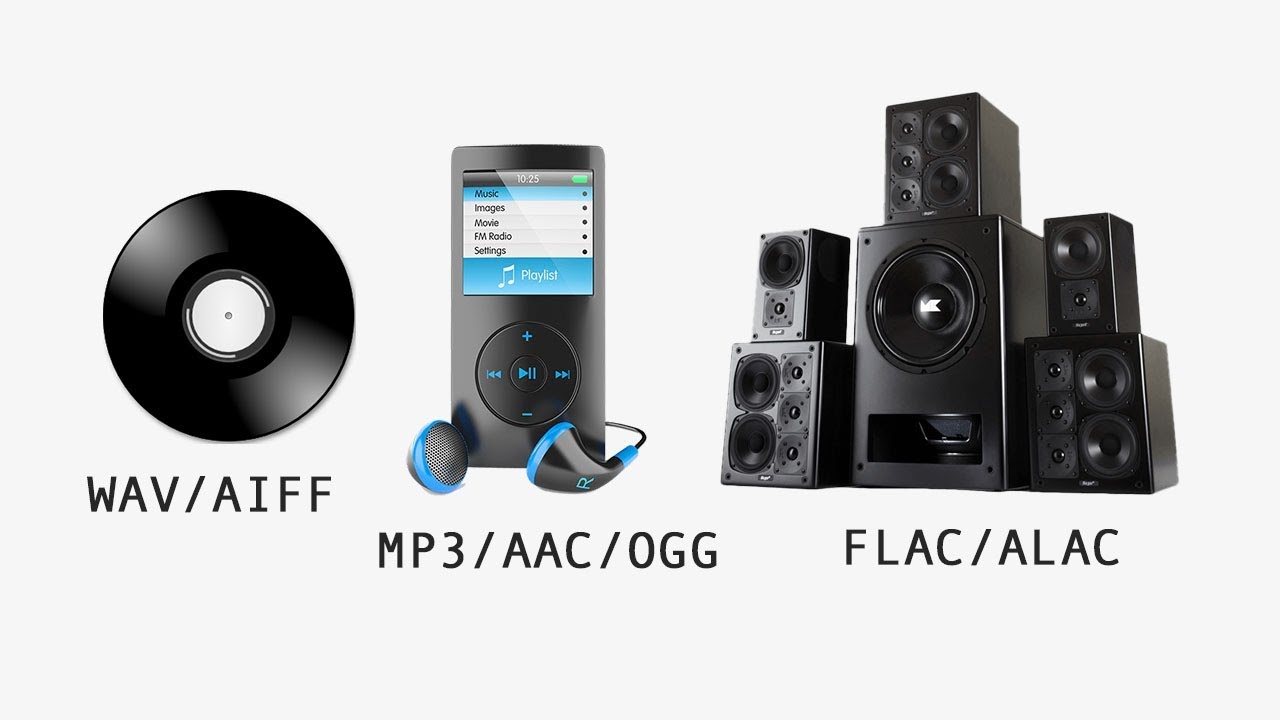
There are basically three types of audio formats:
Formats that do without compression and therefore work without loss of quality,
Compressed audio formats that sacrifice some of the sound information for size and
Audio formats that use a lossless compression process and therefore allow file size reduction without loss of quality.
Thanks to modern audio converters, changing the format and converting to different formats is no longer a problem.
The original audio formats without loss of information
It is not necessary to compress all digitized sound recordings. When it comes to keeping sound quality as high as possible, uncompressed formats are clearly an advantage. Therefore, they are also often used for recording and editing. A distinction is made between WAVE and AIFF formats, which basically have the same specifications, but come from competing companies. While the WAVE format with the .wav file extension was developed by Microsoft in cooperation with IBM for use on Windows PCs, the .aif format extension is based on Apple development work and is primarily used on Macs.
Lossy compressed: the development of MP3, ACC and MP4
The MP3, AAC, OGG, or WMA formats that are widely used today are called lossy formats. This means that the digital audio format has less data than the original format, for example on a CD.
The MP3 file
The MP3 format has become indispensable.
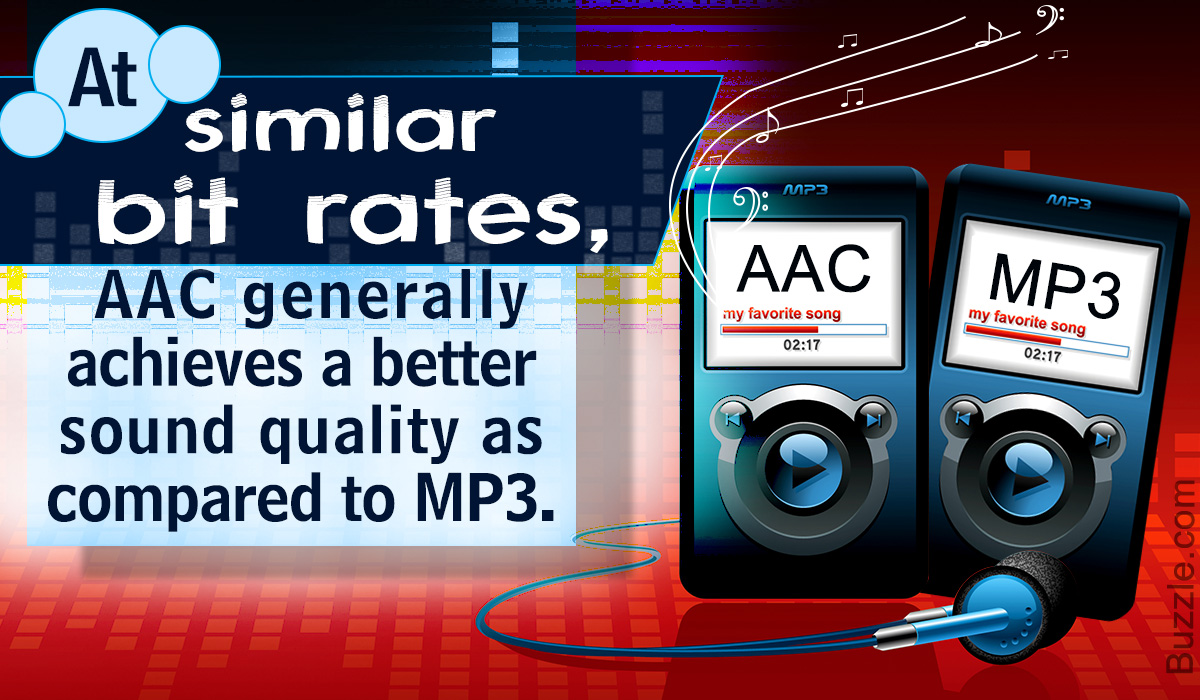
The MP3 format developed by the Fraunhofer Institute in 1982 has become indispensable today. With this format, the current form of music consumption over the Internet was realized for the first time. The format, actually known as MPEG-1 Audio Layer 3 with the ending .mp3, uses a technology that makes it possible to reduce the size of audio files considerably without having to accept a clearly audible loss of quality. In principle, the technology behind this is quickly explained: when files are converted to MP3 format, all noise information that is not audible to the human ear is removed.
This procedure reduces the amount of information and therefore also the size of the files. Data rate, also known as sample rate or sample rate, plays an important role in the quality of music in MP3 format. From an average data rate of 200 kilobits per second, most listeners can no longer distinguish the sound quality of the original recording. However, the file is reduced to approximately one-seventh of its original size.
It was only the comparatively small files that made music distribution possible over the Internet. New technical possibilities were recognized by music listeners long before the music industry. Illegal copying of music through Napster and other file-sharing networks was extremely popular. Suddenly, music lovers had all their music in MP3 format on their hard drives.