
How is MP3 different from AAC?

People often refer to any music file as “MP3”, but that’s not exact. MP3 is a specific type of audio file and not all digital audio files are MP3s. If you’re using an iPhone or other Apple device, chances are most of your music isn’t mp3 at all.
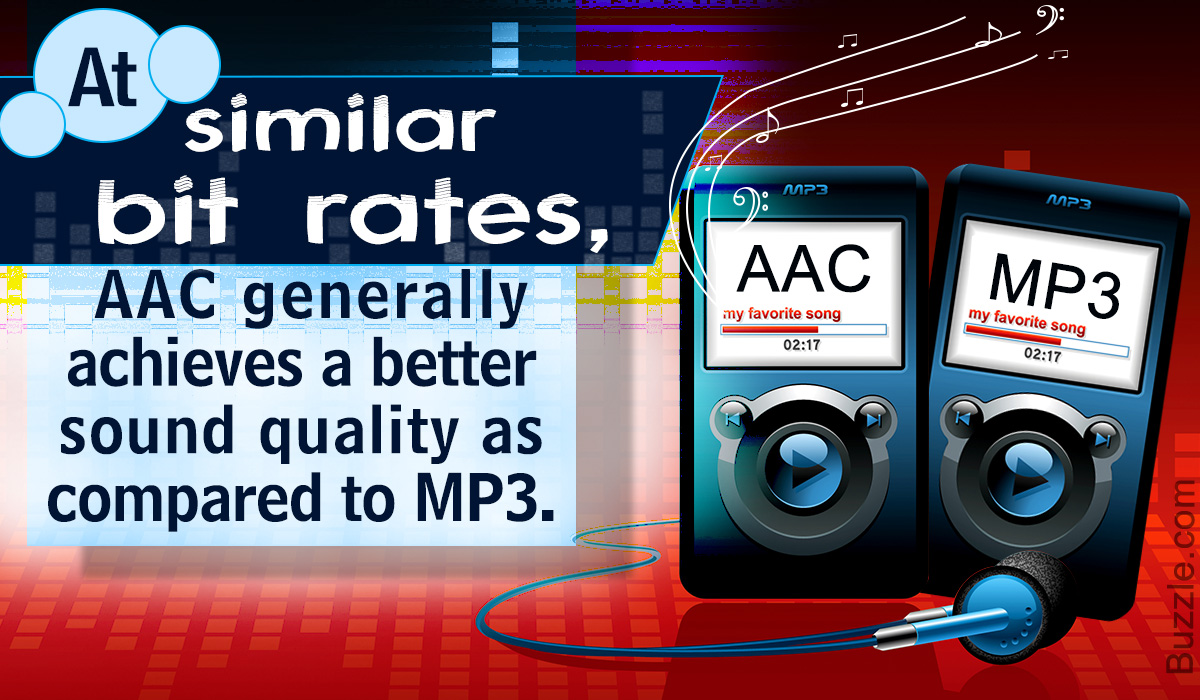
So what kind of files are your digital songs? This article covers the details of the MP3 file type, the more advanced AAC format used by Apple, and some other common audio file types used and not used with iPhones and iPods.
What is MP3 and how does MP3 work?
MP3 is an acronym for MPEG-2 Audio Layer 3. It is a digital media standard designed by the Moving Picture Experts Group (MPEG), an industry organization that creates technical standards. compared to the same song saved in a CD-quality audio format, such as WAV, in MP3 format
Songs take up less space (more on that later). They do this by compressing the data in the song. Compressing a song to mp3 involves removing parts of the file that don’t affect the listening experience, usually the very loud and very quiet parts of the audio. MP3 is known as a “lossy” compression format because some of the data has been removed and MP3 doesn’t sound the same as the CD-quality version. The loss of some parts of the audio has led some audiophiles to criticize the mp3 for damaging the listening experience, even though many cannot tell the difference.
Because mp3s are compressed, more mp3 files can be stored in the same space than files in a lossless compressed format. In general, MP3s take up about 10% of the space of a CD-quality audio file. So if the CD quality version of the song is 10 MB, the MP3 version will be around 1 MB (this can be changed depending on your audio encoding settings).
Understanding bitrate and MP3
The audio quality of MP3 (and all digital music files) is measured by its bit rate. A higher bitrate means the file has more data and MP3s sound better. The most common bit rates are 128kps, 192kbps, and 256kbps.
There are two bit rates used by mp3: constant bit rate (CBR) and variable bit rate (VBR). Many modern mp3s use VBR, which makes the file smaller by encoding parts of the song at a lower bitrate and parts of the song at a higher bitrate. For example, a section of a song with only one instrument is simpler and can be encoded at a lower bit rate. Some song parts with more complex instruments require less compression to capture the full range of sounds. By changing the bitrate, the overall sound quality of the MP3 can be kept high, while the file size can be further reduced.

