The Loudness War: Understanding the Battle for Loudest Sound

What is the Loudness War?
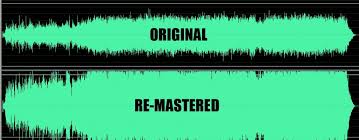
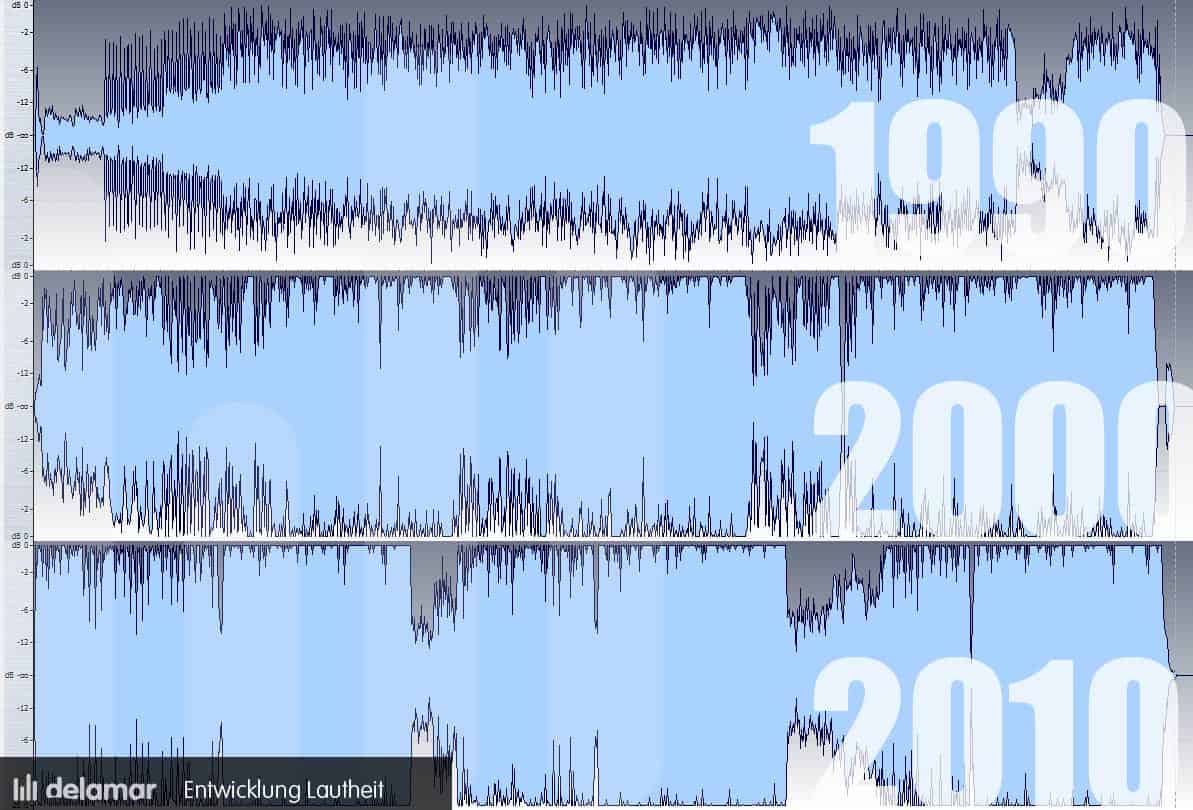
The Loudness War is a phenomenon in the music industry where music producers and mastering engineers compete to make their songs the loudest possible. This has resulted in a trend where songs are heavily compressed and limited to achieve a consistent volume level, often at the expense of dynamic range and overall sound quality.
Why is the Loudness War a problem?
The Loudness War is a problem because it sacrifices sound quality for loudness. Songs that are heavily compressed and limited can sound distorted and lack the natural dynamics that make music enjoyable to listen to. Additionally, this trend has led to a decrease in the overall quality of music production, as producers focus more on volume than on the nuances of the music itself.
How did the Loudness War start?
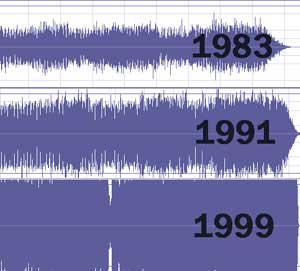
The Loudness War began in the 1990s, when CDs became the dominant format for music distribution. Record labels wanted their songs to stand out on the radio and in stores, so they began using compression and limiting to make them louder than their competitors. This led to a trend where each subsequent release was louder than the previous one, resulting in a race to see who could make the loudest song.
What is compression?
Compression is an audio processing technique that reduces the dynamic range of a recording. This means that the difference between the loudest and quietest parts of the recording is reduced, resulting in a more consistent volume level.
What is limiting?
Limiting is an audio processing technique that prevents the peaks in a recording from exceeding a certain level. This is done to ensure that the recording remains at a consistent volume level and to prevent distortion.
What is dynamic range?
Dynamic range refers to the difference between the loudest and quietest parts of a recording. A song with a wide dynamic range will have both quiet and loud sections, while a heavily compressed and limited song will have a more consistent volume throughout.
What are the consequences of the Loudness War?
The consequences of the Loudness War include decreased sound quality, reduced dynamic range, and listener fatigue. Additionally, songs that are heavily compressed and limited can sound distorted and lack the natural dynamics that make music enjoyable to listen to.
Is the Loudness War still happening?
The Loudness War is still happening, although it has become less pronounced in recent years. Many music producers and mastering engineers have become more aware of the negative effects of excessive loudness and are now focusing on producing music with a wider dynamic range and better overall sound quality.
What is the difference between loudness and volume?
Loudness refers to the perceived intensity of sound, while volume refers to the physical measurement of sound pressure level. In other words, loudness is how loud a sound seems to be, while volume is how loud it actually is.
What is mastering?
Mastering is the final stage of audio production, where the final mixes are processed and prepared for distribution. This includes adjusting the overall volume, EQ, and other effects to ensure that the final product sounds as good as possible on a variety of playback systems.
What is the role of mastering in the Loudness War?
Mastering is often the stage where the Loudness War is fought. Mastering engineers are under pressure from record labels and producers to make songs as loud as possible, often at the expense of sound quality. However, many mastering engineers are now advocating for a more balanced approach to mastering that prioritizes sound quality over loudness