What is the proper audio bitrate? Part 2
What does audio bitrate mean?
Are higher audio bitrates better?
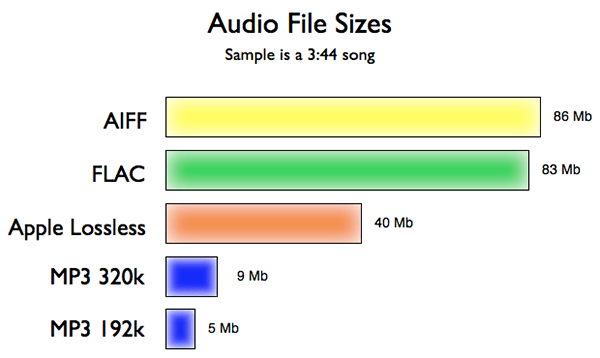
Encoding rate (Kbps) * total length of the song (seconds) / 8 = file size (KB), if divided by 1024, it is the size in MB.
mp3 is lossy compression, the smaller the file, the higher the loss. The relationship between bitrate and audio and video compression is simply that the higher the bitrate, the better the audio quality and video, but larger is the encoded file; yes The opposite is true for lower bitrates.
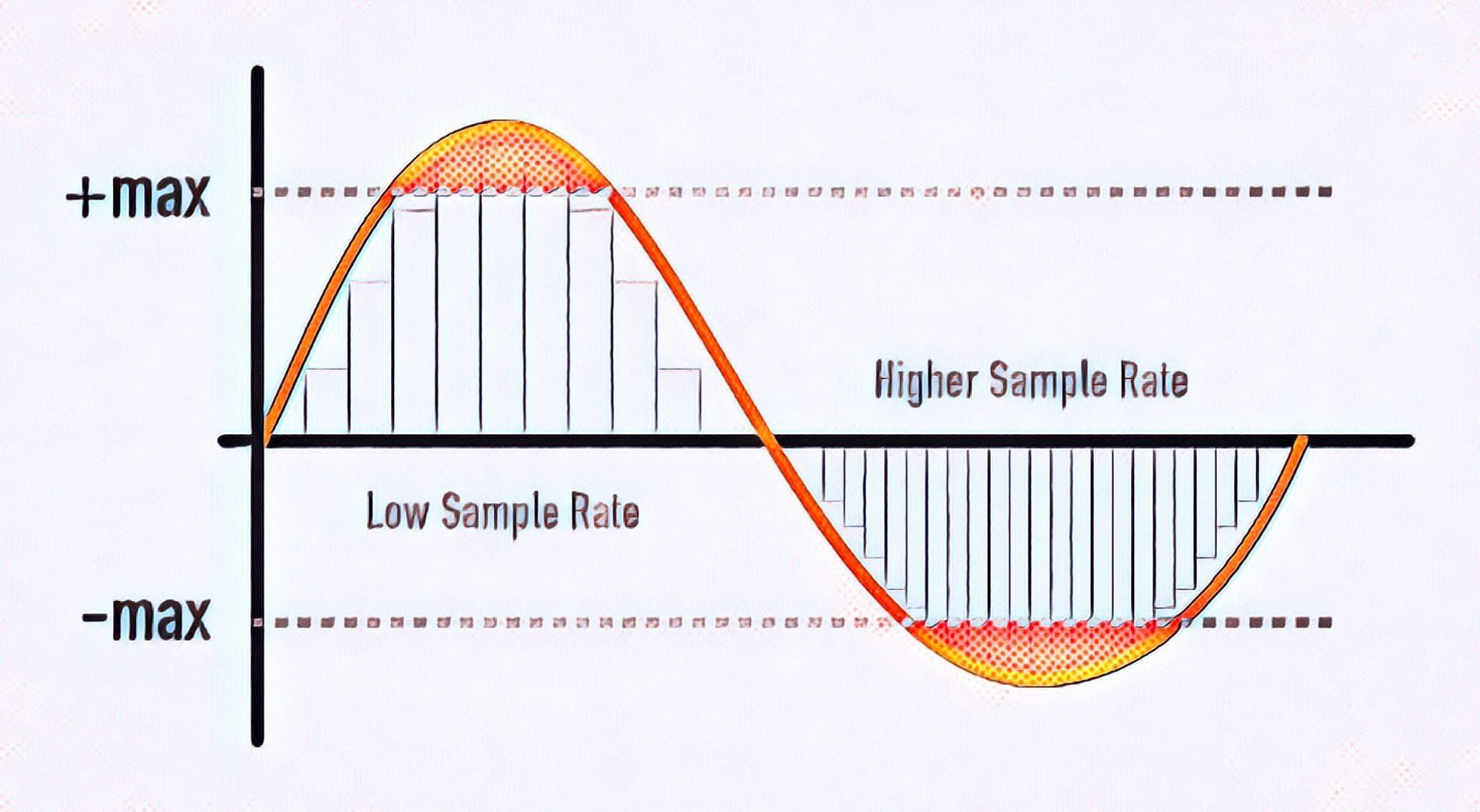
Bitrate refers to the sampling rate at which digital sound is converted from analog to digital format. The higher the sampling rate, the better the quality of the restored sound.
The bitrate value is compared to the actual audio:
16 Kbps = phone sound quality
24 Kbps = increase phone sound quality, short wave transmission, long wave transmission, European standard medium wave transmission
40 Kbps = American standard medium wave transmission 56 Kbps
= voice
64 Kbps = voice boost (best bit for mobile phone ringtones) = tape (best setting for mobile phone stereo MP3 player, best setting for low-end MP3 player
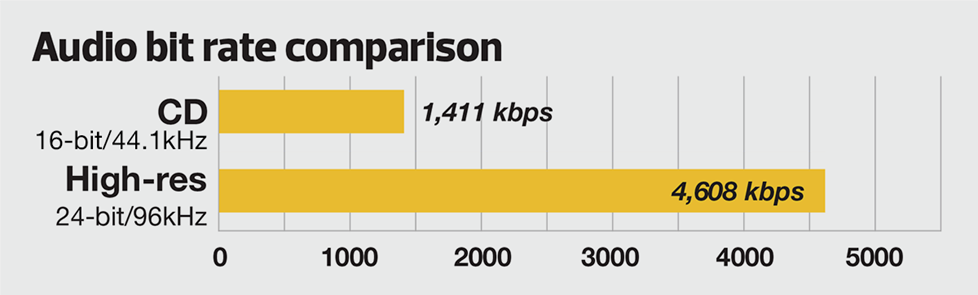
112 Kbps = FM stereo radio FM 128 Kbps ) 160 Kbps = Hi-fi HIFI (best setting for mid-range MP3 player to high-end MP3 players) 192 Kbps=CD (best setting for high-end MP3 player) high-end ) 256 Kbps= Studio Music Studio (for music enthusiasts) In fact, with the advancement of technology, bit rates are also getting higher and higher, MP3 has a maximum bit rate of 320 Kbps, but some formats can achieve higher bit rates and superior sound quality. For example, the emerging APE audio format can provide true audiophile-level lossless sound quality and smaller volume than WAV format, and its bit rate is typically 550kbps.