
Compressors and compression.
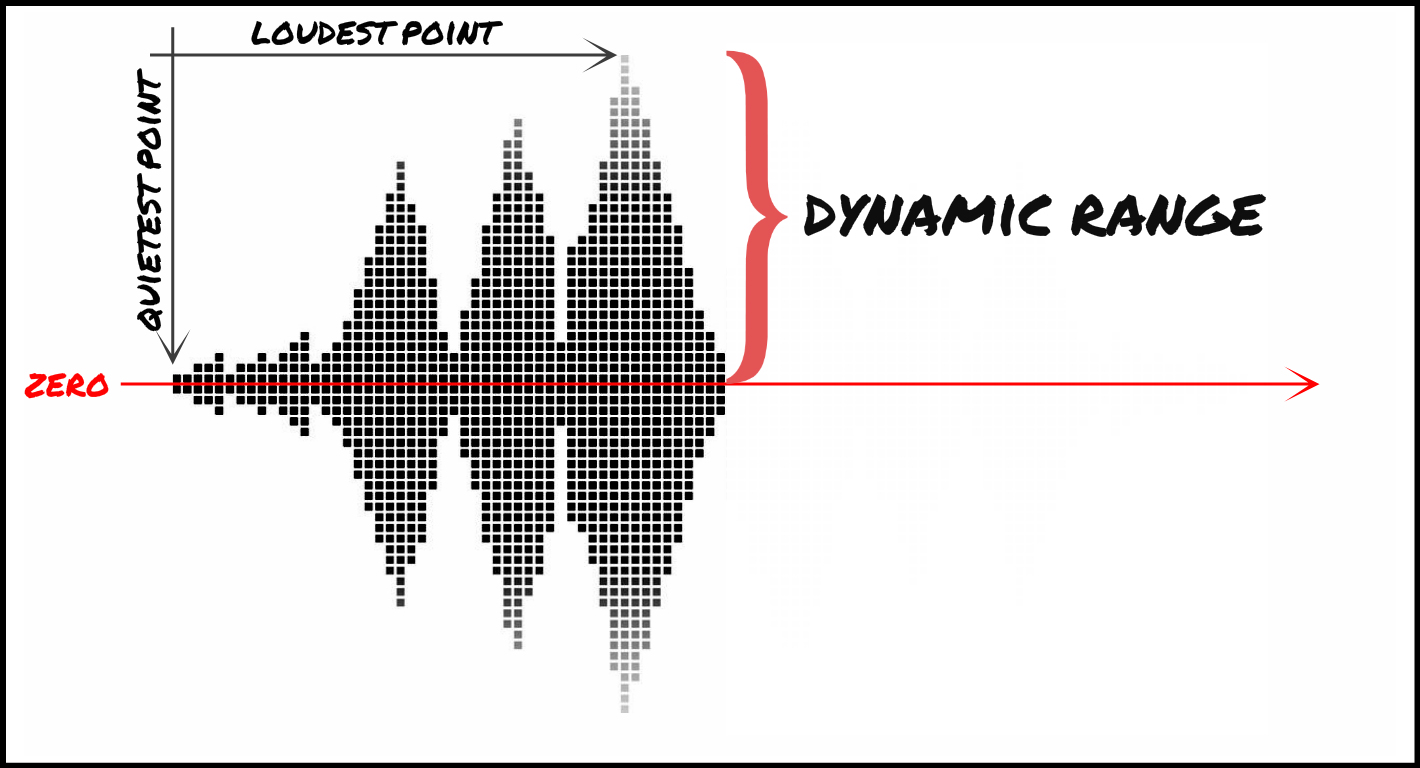
Of all the processes used in modern music production, signal compression is perhaps the most difficult to perceive. First of all, this is due to the fact that often the result of sound processing by the compressor is barely audible, especially to beginners.

Another difficulty lies in the number of variable compressor parameters: they are not as few as it might seem and, moreover, changing each of them does not always lead to obvious results. The fact that these parameters are interrelated only significantly complicates the situation. And finally, an ordinary sound engineer can simply be confused by the astonishing variety of compressor types and models – he will have to think hard about choosing a suitable device before beginning his direct duties. Here’s the one for you which is a trivial example: Let’s say you really want to compress a record. Which is the best option? Compressor based on VCA (voltage control amplifier), or based on an optoelectric element? Transistor or tube (or maybe a hybrid of both)? Analog or digital? Hardware compressor, or is it limited to the program that performs its functions? And so on and so on. Which is the best option? Compressor based on VCA (voltage control amplifier), or based on an optoelectric element? Transistor or tube (or maybe a hybrid of both)? Analog or digital? Hardware compressor, or is it limited to the program that performs its functions? And so on and so on. Which is the best option? Compressor based on VCA (Voltage Control Amplifier – Voltage Controlled Amplifier), or based on an optoelectric element? Transistor or tube (or maybe a hybrid of both)? Analog or digital? Hardware compressor, or is it limited to the program that performs its functions? And so on and so on. Or on the basis of an optical-electrical element? Transistor or tube (or maybe a hybrid of both)? Analog or digital? Hardware compressor, or is it limited to the program that performs its functions? And so on and so on. Or on the basis of an optical-electrical element? Transistor or tube (or maybe a hybrid of both)? Analog or digital? Hardware compressor, or is it limited to the program that performs its functions? And so on and so on.
With so many options available, it’s no surprise that compressors and compression remain a mystery to many users. However, if you decide to achieve some success in recording and mixing, you simply need to master the skills of working with signal compression. Furthermore, all the main directions of modern popular music, with the exception of classics and some jazz trends, are directly related to compression. There is a simple rule: if you don’t know how to use the compressor correctly,
This article will guide you through the maze of all kinds of nuances that arise when working with a compressor, as well as shedding light on the characteristics of its practical application. We will start with the basics of signal compression, then give some examples on how to use compressors. Also, we will talk about the compressor features that you need to pay attention to and why it is important. Finally, I will introduce you to the different types and designs of compressors, I will tell you about some of the models and offer you different opinions on how
Because it is necessary?
Compression belongs to the category of dynamic processes. The term dynamics in a musical environment (and not only) means a change in the volume level. Therefore, the dynamic range of a signal is the difference between its lowest and highest levels. The goal of a dynamics processor, simply put, is to decrease or increase the dynamic range of a signal, which in effect leads to limiting the volume level within this range. The types of dynamics processors include devices such as expander, limiter, gate, well,
A compressor is a type of dynamics processor that “lowers” the dynamic range of a signal and, due to this, reduces the difference in volume level between the subtle and “peak” parts. The process of reducing the volume is called gain reduction. With enough experience, this process can achieve a tighter sound by an order of magnitude. For this reason, compression is the best tool for features that vary greatly in level.
By narrowing the dynamic range, the compressor raises the overall level of the signal, preventing distortion in the loudest parts of the signal. At the same time, using compression, you can adjust the quietest, almost inaudible sounds, such as the squeal of the strings and the jingle of a drum spring; the compressor will make them stronger, cleaner.


