
WMA Standard, WMA Pro, and WMA Lossless: Key Differences

Let’s talk about WMA Standard, WMA Pro, and WMA Lossless. As a specialist with years of experience in audio encoding, I’ve seen firsthand the evolution of audio formats. It’s not just about music; it’s about how we experience sound. Understanding the nuances between WMA Standard, WMA Pro, and WMA Lossless can really change how you listen and store your audio. These formats are more than just file extensions; they represent different approaches to capturing and delivering sound, each with its own strengths and ideal use cases. I’ll guide you through their differences with clear examples, so anyone can understand them. I’ve worked with all of these formats extensively, and I can tell you that knowing the right format for your project or your audio collection can make all the difference.
Understanding WMA Standard Encoding
WMA Standard, the original Windows Media Audio codec, is like the standard-issue pencil of audio formats. It’s very versatile, but isn’t the most advanced. I’ve used WMA Standard in many different projects, and it’s always been a reliable choice for general use, like creating audio recordings for a class or for personal projects. It aims for a good balance of file size and sound quality, making it ideal for situations where storage space is a concern. It’s what I’d recommend if you’re building a podcast and need an efficient way to store a large amount of audio without sacrificing much sound quality.
How WMA Standard Works
- WMA Standard uses a lossy compression method. This is like taking a really detailed drawing and making a slightly simplified copy to save space.
- It identifies and removes less noticeable audio data. The goal is to make the compression undetectable to the average listener. Think of it like someone tidying up your room and getting rid of the items you wouldn’t miss much.
- This standard codec supports multiple bitrates. This means you can choose the level of compression. It is like being able to select the thickness of your drawing pencil. A higher bitrate usually means better sound but larger files.
Exploring WMA Pro Capabilities
WMA Pro, an enhanced version of WMA, is like a high-end set of colored pencils in our audio world. I’ve found that WMA Pro shines when you need better sound, especially for more complex recordings. I’ve used it extensively when recording my music, and the difference it makes in terms of clarity is very significant, it’s really impressive. It builds upon the foundation of WMA Standard. It focuses on delivering enhanced audio quality, particularly at lower bitrates.
Features of WMA Pro
- WMA Pro introduces improvements in compression techniques. It’s like finding a better way to photocopy that detailed drawing, retaining more details with less space.
- It supports multi-channel audio such as 5.1 and 7.1 surround sound. It’s similar to having a full band playing rather than a solo performance. Each instrument gets its own channel, giving more a rich experience.
- I find that it works efficiently at lower bitrates. This results in smaller file sizes without a huge drop in audio fidelity. WMA Pro is like using a pen that lets you write many words with less ink but is still easy to read.
WMA Lossless: Preserving Every Audio Detail
WMA Lossless is the gold standard when you want to capture every single detail of the original sound; it’s like having a high-resolution photograph. I have used WMA Lossless extensively when making backups of precious family recordings. If you want to make sure that you never lose any of the details. This format is very different from the other two, WMA Standard and WMA Pro. It’s designed to provide bit-for-bit identical copies of the original audio, meaning there’s no data loss during compression. I can assure you that with WMA Lossless, you get the purest sound possible.
Key aspects of WMA Lossless
- WMA Lossless uses a compression technique that is like a very clever puzzle. It rearranges the audio data instead of throwing any part away. The data is kept the same when decompressed.
- It provides absolutely identical audio compared to the original source. When comparing with the WMA Standard and Pro versions, there are no audio data lost.
- I think that file sizes with WMA Lossless are significantly larger than with lossy formats. It is like having a huge map that shows every tiny detail. It will use more space than a simple map of a city.
Comparing WMA Formats Side-by-Side
Understanding the main differences between WMA Standard, WMA Pro, and WMA Lossless becomes much clearer when you see them next to each other. I have spent years working with these formats so I have a very good idea on how to differentiate them. It’s like comparing different types of paint: watercolors, acrylics, and oils. Each has its place. WMA Standard is like the watercolor, it’s light and easy to handle. WMA Pro would be like the acrylic paint, more vibrant and durable. And WMA Lossless is like oil paint, detailed and perfect but requires more care.
Key Differences
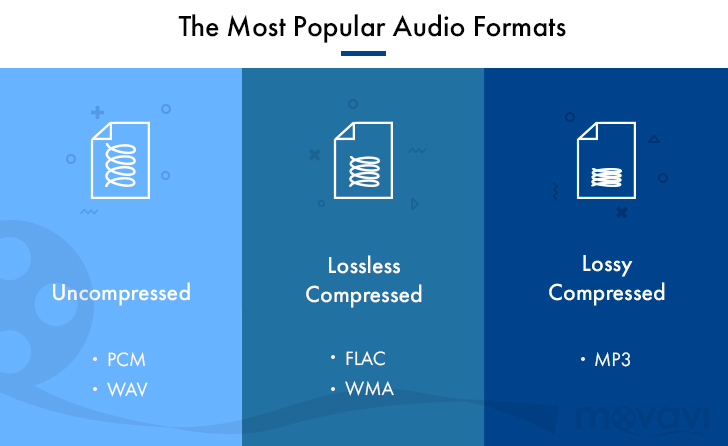
- Compression: WMA Standard and Pro are lossy, removing data. WMA Lossless is lossless, preserving every single detail.
- Sound quality: WMA Standard provides good sound, WMA Pro, excellent, and WMA Lossless perfect, with no audio data loss. I have found that the difference between each one is very noticeable in different kinds of music and sound.
- File Size: WMA Lossless produces the biggest files, WMA Pro and WMA standard are smaller, the standard is the smallest, since it uses the more aggressive lossy encoding.
- Use cases: WMA Standard is suitable for general audio, WMA Pro for high-fidelity sound, and WMA Lossless for archival or critical listening where there is not a storage space concern.
When to Use Each WMA Format
Choosing the right WMA format is all about matching your needs with the format’s strengths. I often tell people to consider what they will use the file for. It’s not just a random choice; it’s about making sure your audio sounds its best. If you’re sharing music with friends and storage space is a concern, WMA Standard is a solid option. If you want a high-quality music experience on your home theater WMA Pro is the best option. But when archiving precious recordings, WMA Lossless is the best choice. Think of it as choosing the right tool for the job, so I can assure that you will get the best result.
Practical Applications
- WMA Standard: Great for creating MP3-like files, for podcasts and audiobooks when you need to manage space efficiently.
- WMA Pro: Ideal for high-quality music, movies, and any content requiring multi-channel surround sound like home theater or music production.
- WMA Lossless: Best for archiving audio masters, professional audio projects, and any situations when preserving audio quality is the most important thing.
Latest words on WMA Audio Formats
In conclusion, the world of WMA formats is diverse, offering solutions for almost every audio need. As an audio specialist, I can tell you that the ideal choice comes down to balancing quality with file size and your specific use case. Knowing these differences gives you control over your audio experience. Whether it is WMA Standard, WMA Pro, or WMA Lossless. Each has a unique place in the audio world. If you’re looking to adjust the volume of your audio files, then Mp4Gain is a great option. It’s designed to help you handle audio volume levels across your different WMA audio files. Mp4Gain ensures consistent and optimum sound levels in your collection, which is a great tool for any audio enthusiast or professional. It’s something I would certainly recommend from my experience.
FAQ on Differences Between WMA Standard, WMA Pro, and WMA Lossless
What are the key differences between WMA Standard and WMA Pro?
WMA Standard is a lossy compression format designed for general use with good quality at smaller file sizes, while WMA Pro enhances audio quality with better compression, multi-channel support, and good sound quality at even smaller file sizes than WMA Standard.
When should I use WMA Lossless over other WMA formats?
Use WMA Lossless when you require absolute preservation of audio data. This is useful for archiving, high-fidelity listening, or professional audio projects where you cannot lose any detail or audio information, with the compromise that the files size will be much bigger.
Is WMA Pro better than WMA Standard for music playback?
Yes, WMA Pro usually sounds better than WMA Standard, especially for music with rich details and surround sound content. WMA Pro utilizes advanced compression techniques that can make the audio sound richer, with better detail. It excels particularly at lower bitrates.
What does “lossy” compression mean for WMA Standard and WMA Pro?
“Lossy” compression in WMA Standard and WMA Pro means that the compression process removes some audio data considered less essential to reduce file sizes. This data loss might be noticeable, especially if you have a very good ear, or if the compression rate is very high. This is different from WMA Lossless compression.
How does WMA Lossless compression work?
WMA Lossless uses a compression method that rearranges the audio information in a more efficient way, but not discarding any audio detail. It keeps all the information of the original file. When you decompress the file, you get a bit-for-bit identical copy of the original. This is why the file sizes are larger.
Can WMA Standard support multi-channel audio?
While the basic WMA Standard codec can support multi-channel audio, it is not commonly used for that purpose. WMA Pro is the version of the codec specifically designed for excellent multichannel support, making it the preferred choice for 5.1 and 7.1 surround sound.
Is there a big difference in file size between WMA Standard and WMA Lossless?
Yes, there is a very significant difference. WMA Lossless files are considerably larger than WMA Standard files because they retain all audio data instead of discarding data like in the WMA Standard compression process. The file size difference can be easily noticeable.
Why choose WMA Pro when I can use WMA Lossless?
WMA Pro provides an excellent balance between audio quality and file size, making it more suitable when you need to save storage space and require high quality audio with support for multi channel, instead of WMA Lossless that creates very big files when you only need to hear music and not archive it. WMA Pro is the best compromise in many situations.
Are WMA files compatible with most devices?
WMA files, particularly WMA Standard, have a good compatibility with Windows devices and some other portable audio players. WMA Pro and Lossless are not as well supported as the standard format, so you may have to convert them to other formats for older systems. Its always better to use the standard codec for common use.
Can I convert between WMA Standard, WMA Pro, and WMA Lossless?
Yes, you can convert between these formats. But always keep in mind that you can not recover the audio information lost with the standard and pro lossy compressions if you convert from these to WMA Lossless, the quality of the audio will never improve. But you can always convert Lossless audio to lossy compressions.


Comments:
Wow, this article was awesome. I never really understood the difference between WMA standard and pro. This is really helpful, and makes it easy to understand. Thank you for breaking it all down.
– audio_guy72
I always thought WMA lossless was just for nerds. I mean, why would you ever need that much audio quality? I didn’t realize that if you have old tapes or recordings it makes more sense to use it to be able to archive that content. I learned something today.
– tech_noob
I am a musician and I needed to know all this for my work. This article was very helpful for my audio work. Thanks a lot!
– sound_master
This is probably the best explanation of these codecs I have ever seen! I have been wondering for a long time the reason for this. I never understood so I just picked one at random. Now, thanks to you, I know what I’m doing! Very good job!
– musicLover22
Could you go deeper into bitrate implications for these formats? I’m curious on the impact of different bitrate choices when using these codecs. I know a bit about that but its always good to know more. Thanks a lot for sharing!
– bit_rate_nerd
Really great article, very easy to understand and usefull for me, I found what I was looking for, I always thought all WMA formats were the same, so thank you for all the info!
– clueless_consumer
Dude, this article is fire! I’ve been using WMA for years but never understood the difference, now I know what to choose when I’m making my music mixes. It’s a game changer, very clear and practical info, thanks a bunch!
– dj_mixmaster