
Digital Music vs Analog Music – A Comparison

Digital music and analogue music have many differences. From the way audio information is stored to the quality of playback, there are many things to consider when choosing between these two audio formats. Below, we’ll discuss some of these differences to help you decide which one is best for your needs.
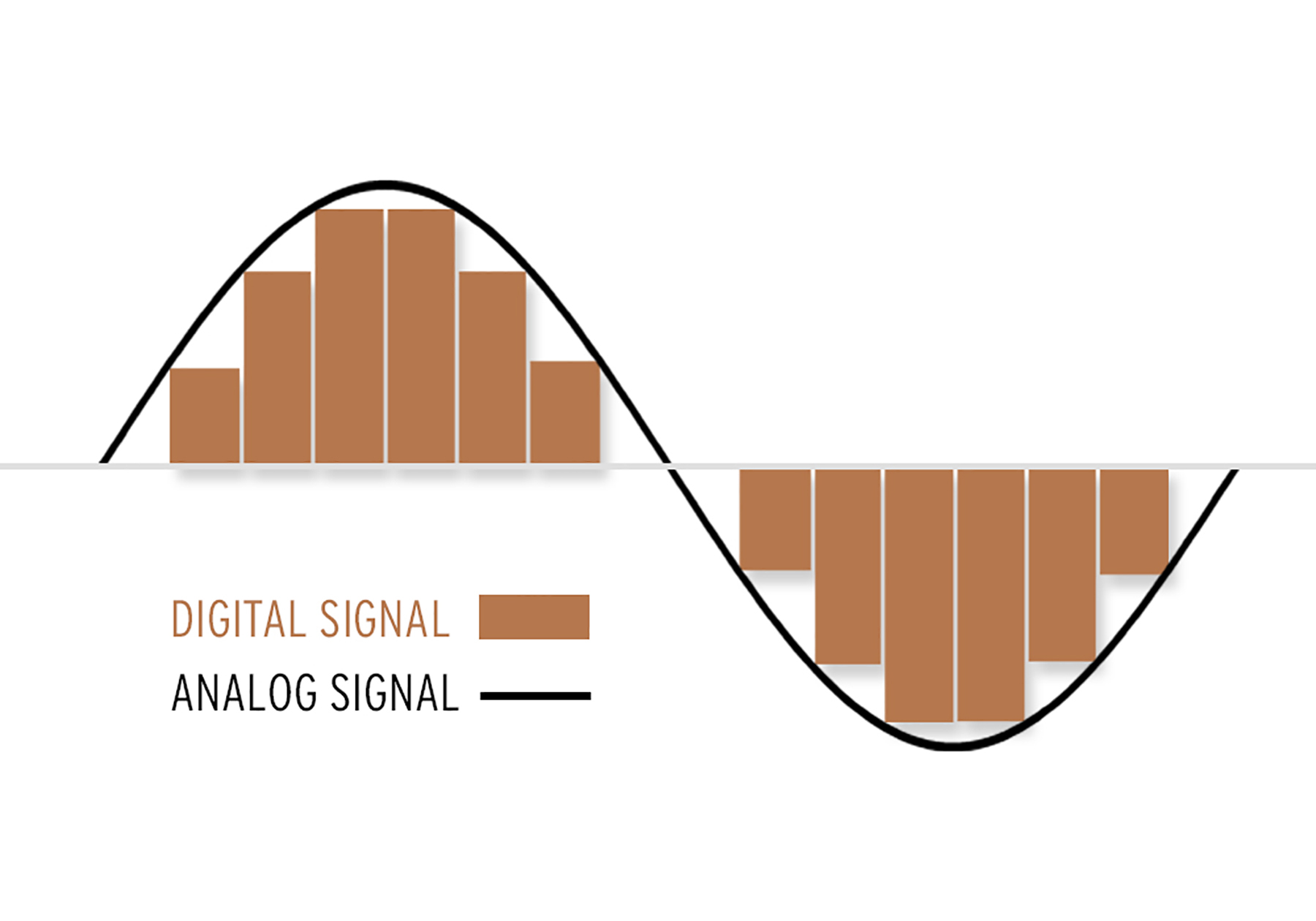
Storing music
The most common way to store digital music is in a compressed file format. This means that the music is compressed so that it takes up less space on your hard drive. This also means that a computer will be needed to play the music. Digital music can be stored in a variety of formats, such as MP3, WAV, and FLAC.
Analog music, on the other hand, is stored in an uncompressed format. This means that more storage space will be needed to store the same amount of music. It also means that you will need a record player or audio equipment to play the music. Analog music is stored in formats such as vinyl or cassette.
Music quality
In terms of audio quality, digital music and analogue music can be very similar. The audio quality of digital music depends primarily on the file format in which it is stored and the audio equipment with which it is played. Although compressed file formats such as MP3 may produce lower audio quality than uncompressed formats such as WAV, the difference may be imperceptible to many listeners.
When it comes to analog music, the audio quality depends on the quality of the audio equipment and the state of the music itself. For example, vinyl in poor condition can produce a very loud sound. On the other hand, well-maintained vinyl can produce incredibly good sound. The audio quality of analog music also depends on the audio equipment with which it is played. Good audio equipment can significantly improve the audio quality of analog music.
Ease of use
In terms of ease of use, digital music is much easier to use than analogue music. With digital music, you only need a computer to play the music, which means you don’t have to worry about maintaining audio equipment. Also, digital music is much easier to share than analog music.
Analog music can be a bit more difficult to use than digital music. To get started, you’ll need audio equipment to play the music. This means that you will need to perform regular maintenance to ensure that the equipment is working properly. Also, analog music is much more difficult to share than digital music, since it cannot be sent via email or shared online.
Recording music
Another important difference between digital music and analogue music is the way the music is recorded. To record digital music, you’ll need a computer and audio recording software. This will allow you to record the music and save it in a compressed file format, such as MP3. This means that digital music can be easily recorded, edited and shared.
To record analog music, you’ll need audio recording equipment. This will allow you to record the music onto a vinyl record or tape. This means that analog music is much more difficult to record, edit and share than digital music.
Cost
Due to the difference in equipment needed to play and record music, there is a big difference in costs between digital music and analogue music. Digital music is much cheaper as you only need a computer to play and record the music. Analog music, on the other hand, can be much more expensive, since you’ll need audio equipment to play the music and recording equipment to record it.
Conclusion
As you can see, there are many differences between digital music and analogue music. Depending on your needs, one may be better than the other. If you need an easy way to share and record music, digital music is the way to go. If you are looking for superior audio quality, analog music may be the best option.

