Vinyl vs Digital: The Battle of Lo-Fi vs. High Tech Part 2

What is analog recording technology? In short, it is the musician’s work recorded in the studio on 8 or 16 track tape.

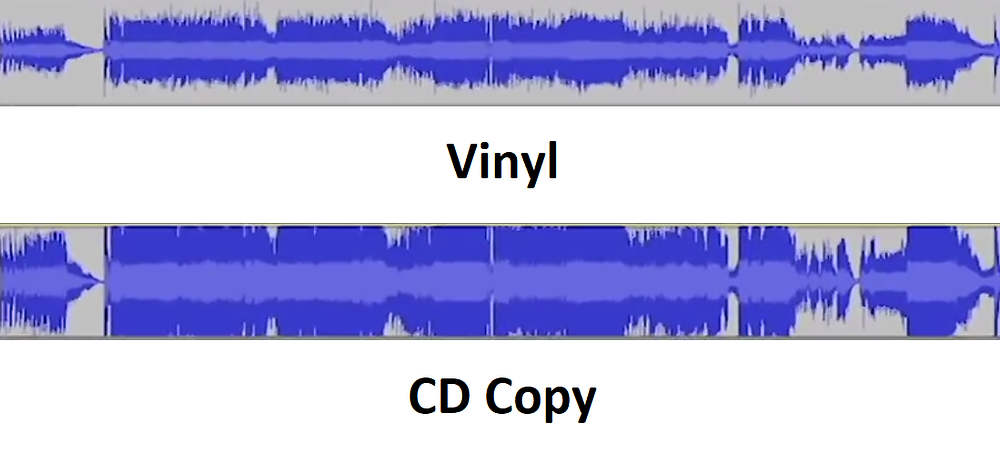
The recording of a song is continuous and the sound is continuous without interruption. In contrast, CDs, which are sound samples from analog or digital recordings, can theoretically capture an extremely high amount of information beyond what the human ear can distinguish.
Interestingly, at least for me, the first band I met to switch to a new digital format was Steely Dan, who had very good recording quality and were said to be the best example of marketing at the time. They recommend and sell this new format to potential buyers, telling them that CDs won’t suffer from the popping, galvanic, or other noises that vinyl normally has, and claiming that CDs are less likely to wear out after multiple plays than vinyl. o The CD is nearly indestructible, and neither scratches nor fast-forwarding will damage it. Well, we all know that’s a lie, and I’ve already re-polished a lot of damaged CDs.
But problems and controversies immediately arose, and the CDs had distinct, audible voices. Some say the sound is cooler, as if it floats aimlessly in midair. I don’t remember what my first CD was, but the difference in sound is fresh in my memory. They all sounded too light and lacked the warmth of analog records.
Now you must remember that stereo technology came into use in music performance and recording at that time, and its several important components included amplifiers/loudspeakers (speakers), and if you ask me what the quality of the speakers is, give it Not the The most important thing is that the speakers provide enough power to turn up the volume, we want more than just volume, to be an accurate and faithful representation of the high and low frequencies, as well as the all-important midrange.
Mono or binaural?
Stereo technology itself was a controversial topic in the mid-1960s. Many people don’t know that The Beatles are recorded in mono, layer after layer on the same track. Believe it or not, Sgt, Pepper was the first song recorded in mono, but since then everyone has stereo speakers and everyone expects the sound of two-track recordings.
Their producer George Martin and talented recording engineer Geoff Emerick (who was 15 when they worked with The Beatles in 1962) were extremely reluctant to meet the label’s stereo requirements, so they simply put the vocals and rhythm guitar on a single channel. and the bass, drums, and lead guitar are placed on the other channel. You can clearly hear these changes in your headphones or earphones. Even today, it’s a bit of a shock to hear John and Paul singing in the right channel with George’s lead guitar buzzing in the left channel.
Most of today’s stereo sound systems are built in TV 6.1 surround sound system, and most people do not use speakers to listen to songs, but use computers to download songs from online music libraries, and phones mobiles have also become the option. of many people. . But the song is not yet recorded for a cinematic surround sound system, it is still based on stereo, so once again the “sound” is broken.
As far as I am right now, there is nothing better than listening to a BOSE ceiling or bookshelf box under a high-end CD player connected to a high-power amplifier.