
Audio Sample Sizes: 8-bit vs. 16-bit
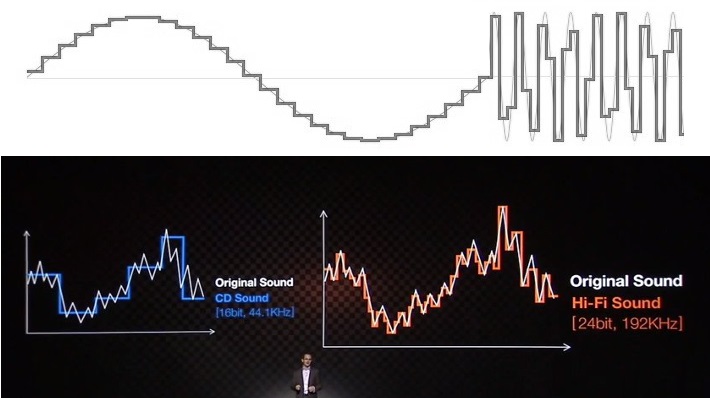
What is the difference between 8-bit and 16-bit audio sample sizes?
When it comes to audio recording and production, the choice of sample size plays a crucial role in determining the quality and accuracy of the sound. The two most common sample sizes are 8-bit and 16-bit. While they may seem similar, they have significant differences that impact the fidelity and dynamic range of audio recordings. Let’s delve into the dissimilarities between 8-bit and 16-bit audio sample sizes.
Starting with 8-bit audio, it represents a relatively lower resolution compared to 16-bit. With 8-bit sample size, the audio waveform is divided into 256 discrete levels, resulting in a limited dynamic range. This means that the audio can capture a narrower range of volume variations and may exhibit noticeable quantization noise in quiet or subtle passages. However, 8-bit audio can still be suitable for certain applications where the focus is on smaller file sizes or specific stylistic effects.
On the other hand, 16-bit audio offers a higher resolution and a greater dynamic range compared to 8-bit. With 16-bit sample size, the audio waveform is divided into 65,536 discrete levels, providing more precise representation of the original sound. This higher resolution allows for capturing a wider range of volume variations with greater accuracy, resulting in improved fidelity and reduced quantization noise. 16-bit audio is commonly used in professional music production, mastering, and high-quality audio recordings.
Advantages of 16-bit audio sample size
One significant advantage of using 16-bit audio sample size is the enhanced dynamic range it offers. The wider range of volume levels allows for more detailed and accurate representation of the original sound, resulting in higher fidelity recordings. This is particularly crucial in situations where capturing subtle nuances and preserving the dynamics of the audio is important, such as in music production or audio mastering.
Furthermore, 16-bit audio provides a greater signal-to-noise ratio compared to 8-bit audio. The increased resolution reduces quantization noise, resulting in cleaner recordings, especially in quiet or low-level passages. This allows for capturing more intricate details and ensuring a more natural and immersive audio experience.
Considerations for using 8-bit audio sample size
Although 8-bit audio may not offer the same level of fidelity and dynamic range as 16-bit audio, it can still be suitable for certain applications. One advantage of 8-bit audio is its smaller file size, which can be beneficial in situations where storage or bandwidth limitations exist. Additionally, the inherent quantization noise and limited dynamic range of 8-bit audio can be creatively used to achieve specific stylistic effects or emulate vintage sounds.
However, it is important to consider the intended purpose and context when deciding to use 8-bit audio. In scenarios where high fidelity and accurate reproduction of the sound are essential, such as professional music production or critical audio recordings, it is recommended to opt for 16-bit audio sample size for optimal results.
Final Words
The choice between 8-bit and 16-bit audio sample sizes significantly impacts the quality and fidelity of audio recordings. While 8-bit audio may have its applications, 16-bit audio offers a higher resolution, wider dynamic range, and improved accuracy. The increased precision and reduced quantization noise of 16-bit audio make it the preferred choice for professional


