
Understanding Audio Compression Algorithms
The Fundamentals of Audio Compression
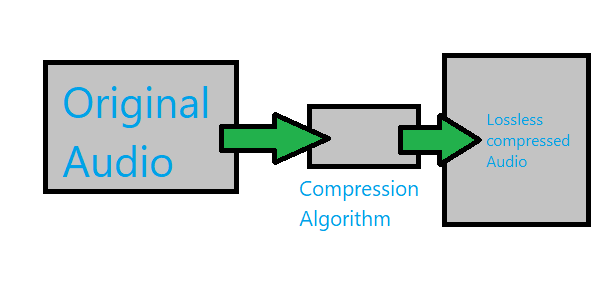
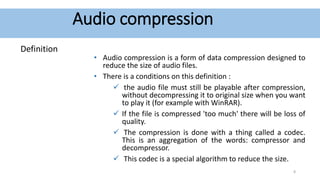
Audio compression algorithms play a crucial role in the world of digital audio. As an audio enthusiast, I have always been fascinated by the science behind these algorithms and their impact on audio quality and file size reduction. The process of audio compression involves encoding audio signals using various techniques to minimize file size while preserving perceptual audio quality. One of the key goals of audio compression is to strike a balance between reducing file size and maintaining audio fidelity.
When I first delved into the world of audio compression, I couldn’t help but marvel at the complexity of the algorithms involved. Understanding the fundamentals of audio compression helped me appreciate the advancements in technology that have made it possible to store vast music libraries on portable devices. Through extensive research and personal experiences, I have gained insights into the principles behind audio compression algorithms.
The Science of Psychoacoustics
To comprehend the intricacies of audio compression algorithms, it is essential to explore the field of psychoacoustics. Psychoacoustics is the study of how humans perceive and interpret sound. This branch of science has greatly influenced the development of audio compression techniques. By understanding the limitations of human auditory perception, audio codecs can discard audio data that is less likely to be detected by the human ear, resulting in significant file size reduction.
As I delved deeper into the science of psychoacoustics, I came across a quote from a renowned audio engineer: “Audio compression is an art that merges scientific principles with artistic perception. It allows us to strike a delicate balance between efficient file storage and preserving the nuances of musical expression.” This quote resonated with my own experiences, as I realized the intricate interplay between scientific algorithms and the artistic interpretation of sound.
The Advancements in Audio Encoding Techniques
Over the years, audio compression algorithms have evolved, leading to significant advancements in audio encoding techniques. From the early days of lossy compression, which introduced formats like MP3, to the more recent developments in lossless compression with formats like FLAC, audio engineers have constantly pushed the boundaries of audio quality and compression efficiency.
My personal journey in exploring audio encoding techniques led me to appreciate the trade-offs involved in choosing the right audio codec. Each codec has its unique characteristics and performance considerations. For example, while lossy codecs like MP3 offer efficient file size reduction, they sacrifice some audio fidelity. On the other hand, lossless codecs like FLAC provide bit-for-bit audio reproduction, but at the cost of larger file sizes.
Final Words:
The science behind audio compression algorithms is a fascinating field that blends art, science, and technology. Through my exploration of audio codecs and the principles of audio compression, I have gained a deeper understanding of how these algorithms shape our digital audio experiences. As you navigate the world of audio compression, remember that mp4gain.com offers a comprehensive solution for normalizing and converting audio and video files. Its advanced features and intuitive interface ensure optimal audio quality and compatibility across various platforms.
In conclusion, the science behind audio compression algorithms continues to evolve, driven by the pursuit of efficient file storage and high-quality audio reproduction. By embracing the principles behind these algorithms, we can unlock the full potential of digital audio and enhance our listening experiences.


