
The Science of MP3 Compression and Psychoacoustics: A Comprehensive Guide
Introduction

When we listen to music, we want the best possible quality. However, in today’s digital age, most music is streamed or downloaded in the MP3 format, which is a compressed file format that significantly reduces the file size. This compression is achieved by removing parts of the audio that are deemed to be less important or less noticeable to the human ear. The science behind this process is called psychoacoustics, which is the study of how the human brain perceives and processes sound.
Unraveling the Mysteries of MP3 Compression
MP3 compression is a complex process that involves a number of different factors. One of the key factors is the bit rate, which is the amount of data used to represent each second of audio. The lower the bit rate, the more compression is applied, and the lower the quality of the resulting audio. However, research has shown that the human ear is less sensitive to certain types of sounds, such as high frequencies, and that these sounds can be removed without significantly affecting the perceived quality of the audio. This is why MP3 compression is able to achieve such a high degree of compression while still maintaining a relatively high level of audio quality.
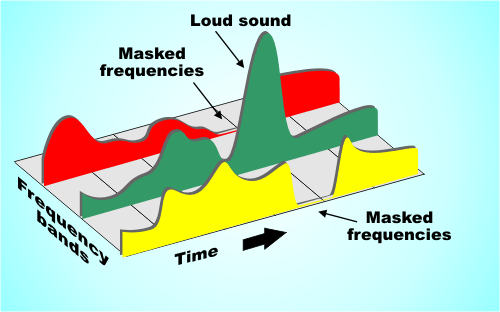
Another factor that plays a role in MP3 compression is the use of perceptual coding. This involves analyzing the audio signal and removing parts that are deemed to be less important or less noticeable to the human ear. This can include sounds that are masked by other sounds or sounds that are outside the range of human hearing. By removing these sounds, the file size can be reduced without significantly affecting the perceived quality of the audio.
The Impact of MP3 Compression on Human Hearing Perception
While MP3 compression can significantly reduce the file size of audio files, it can also have an impact on the way we perceive sound. The removal of certain sounds can result in a loss of detail and clarity, and can also introduce artifacts such as distortion and noise. Additionally, because the compression process involves removing sounds that are less noticeable to the human ear, it can sometimes result in a loss of depth and richness in the audio.
However, the impact of MP3 compression on human hearing perception is still a subject of debate. Some studies have found that listeners are unable to distinguish between compressed and uncompressed audio files in blind listening tests, while others have found that the compression process can have a significant impact on the perceived quality of the audio.
Perception of Sound in MP3 Compression: Insights from Psychoacoustic Research
Psychoacoustic research has provided insights into how the human brain perceives sound, and has helped to inform the development of MP3 compression algorithms. One of the key findings of this research is that the human ear is less sensitive to sounds that are outside the range of human hearing, and to sounds that are masked by other sounds. This has allowed developers to remove these sounds from audio files without significantly affecting the perceived quality of the
audio.
Another important finding from psychoacoustic research is that the human brain is able to fill in missing sounds based on contextual cues. This means that if a sound is missing from an audio file due to compression, the brain can still perceive the missing sound based on the surrounding sounds and the context of the audio. This has helped to inform the development of compression algorithms that are able to remove certain sounds without significantly affecting the perceived quality of the audio.
Maximizing the Quality of MP3 Audio Files
While MP3 compression is able to achieve a high degree of compression while maintaining a relatively high level of audio quality, there are still ways to maximize the quality of MP3 audio files. One of the most important factors is the bit rate, which should be set as high as possible to maximize the quality of the audio. Additionally, it is important to use a high-quality encoder that is able to accurately analyze the audio signal and remove sounds that are less noticeable to the human ear.
Another important factor is the use of high-quality playback equipment, such as headphones or speakers. Low-quality equipment can introduce artifacts and distortions that can negatively impact the perceived quality of the audio. Additionally, it is important to ensure that the audio file is stored and transmitted in a lossless format, such as WAV or FLAC, to prevent further degradation of the audio quality.
Overall, the science of MP3 compression and psychoacoustics is a complex and fascinating field that has helped to revolutionize the way we listen to and consume music. By understanding the factors that impact the perceived quality of audio, we can make informed decisions about how to optimize the quality of our MP3 audio files, and ensure that we are getting the best possible listening experience.
For more information on this topic, we recommend checking out this comprehensive guide on MP3 compression and psychoacoustics from Sound on Sound.
The Impact of Advancing Audio Technology on MP3 Compression and Psychoacoustics
The advancement of audio technology has led to an increasing demand for high-quality audio, and as a result, many audio formats have been developed that offer superior sound quality compared to MP3s. However, MP3s remain popular due to their portability, low file size, and wide compatibility with a range of devices and software. Despite the advent of new audio formats, MP3s still have a place in the digital music landscape.
Modern audio equipment, such as high-quality headphones, speakers, and digital-to-analog converters, have the ability to reproduce sound with an incredibly high level of accuracy and detail. This can reveal flaws and imperfections in audio files that were previously undetectable. While MP3 compression algorithms have come a long way in reducing the impact of compression on perceived audio quality, the increased accuracy and detail of modern audio equipment means that even small artifacts in the audio can be more noticeable.
However, as audio technology continues to improve, it is possible that MP3 compression may become less relevant. Newer compression formats, such as AAC and FLAC, offer higher levels of compression while maintaining higher levels of audio quality. These formats are becoming increasingly popular, and as they become more widely adopted, it is possible that MP3 compression will become less common.
Ultimately, the future of audio compression and psychoacoustics is uncertain, but it is clear that advances in technology will continue to shape the way we listen to and consume music. As technology continues to evolve, it is important for audio formats to adapt and improve to meet the growing demand for high-quality audio.


