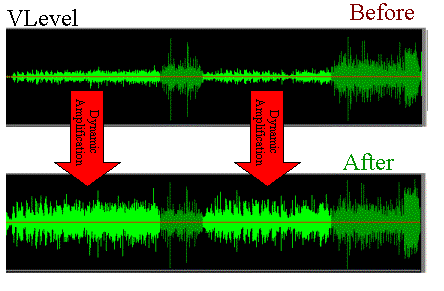
YouTube quietly changed its loudness playback policy to achieve full average

Youtube 14 lufs
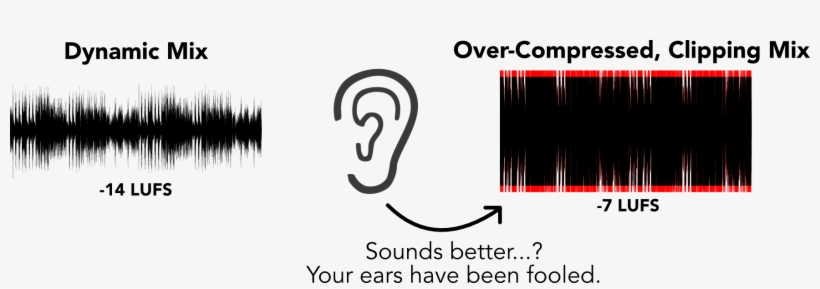
YouTube quietly adjusted its playback volume to -14 LUFS, achieving full equalization. The way YouTube regulates volume at first didn’t use -14 LUFS, which is an exact value. Starting in 2015, they turned down the volume on music videos relatively loudly to avoid freaking out about the volume when switching videos, resulting in a bad experience. ., Set the volume to a low level and reproduce almost the same volume, the overall loudness value set is about -13 LUFS.
What is LUFS? It is short for loudness units relative to full scale, which is the unit used in EBU R128, and EBU R128 is a set of guidelines for standardizing loudness and the maximum allowable audio signal level. The average volume of the overall sound is calculated and then the average volume is calculated and the difference between the volume and the desired volume can be adjusted.
TV stations, radio and online music streaming platforms will play the volume for processing, which can avoid the phenomenon of turning up the volume to attract attention, which is what we call volume competition. After averaging the volume, you can reduce unnecessary volume and focus more on sound quality. TIDAL, Amazon Music, and YouTube now use the same method to manage loudness. Average loudness can provide a better user experience and be more consistent across platforms. This is good for the listening experience and cross-platform management, and it can also avoid the problem of volume competition.
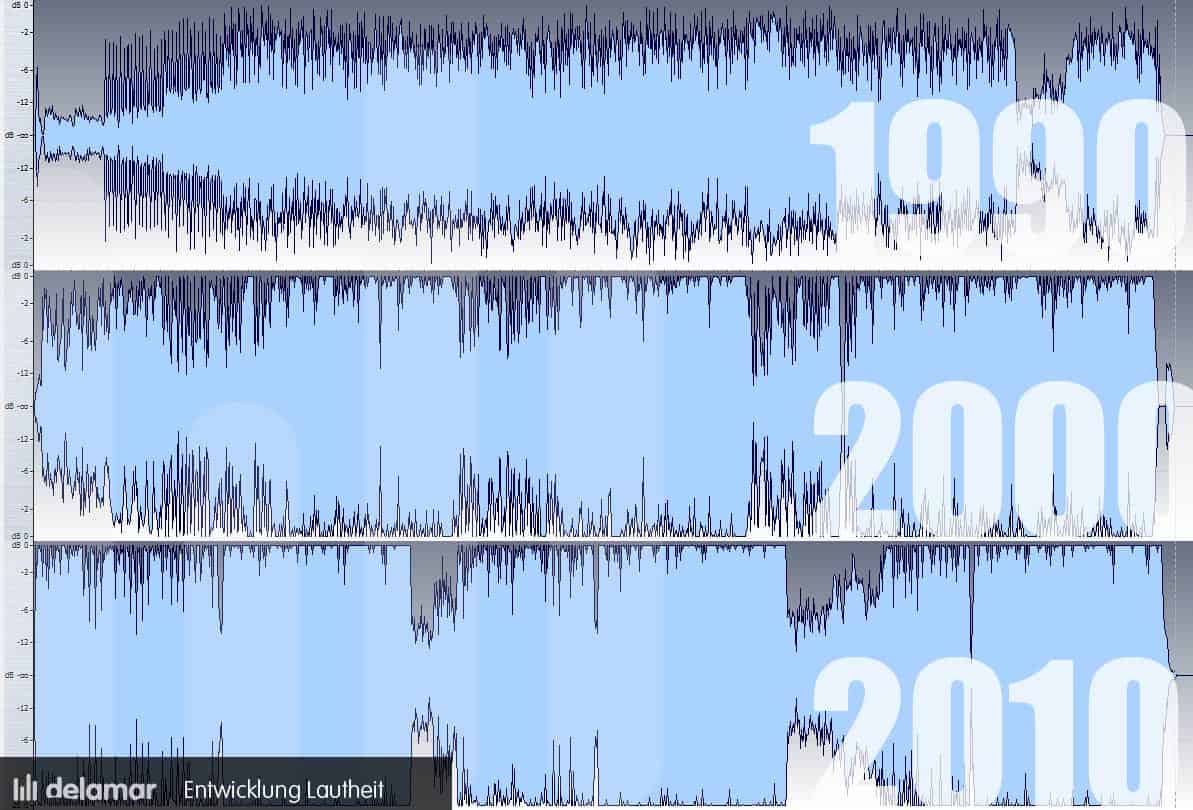
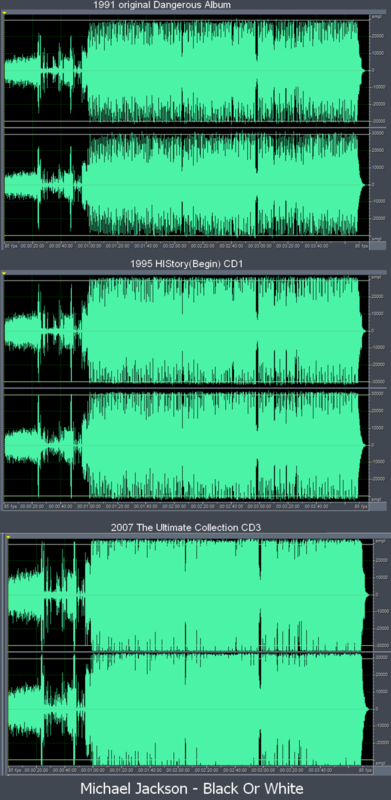
The volume of Michael Jackson’s Black or White has increased year after year in the various versions released between 1991 and 2007.
So do we need to start standardizing all sounds produced at -14 LUFS? Of course, no. Although many platforms have been averaging, there are still platforms that have not yet used the LUFS standard. For example, Spotify has not yet used this standard. Generally speaking, we don’t use the same volume and mix processing for soft rock and folk music. songs; and, conversely, this result will cause several songs of different key to sound at the same volume. In fact, most music has different volume settings in response to the performance of the music content during the CD release and initial mixdown. Like a jazz performance with a wide dynamic range and a volume of -18 LUFS or a hardcore 1990 techno, it can sound the same volume as a string quartet