What are the factors that affect video quality? Part 2


Free Download Mp4Gain
picture

What are the factors that affect video quality? Part 2
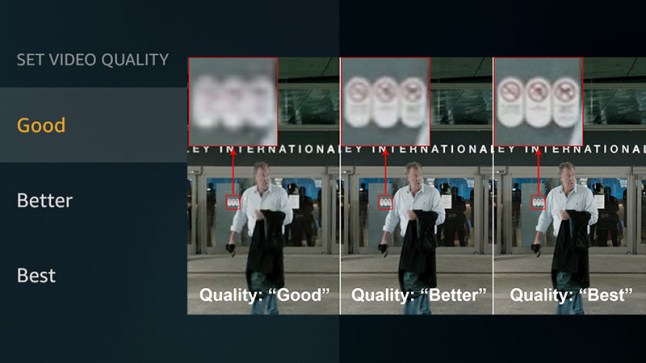
video quality
video quality


The “image quality” of a video is actually a very complicated topic.
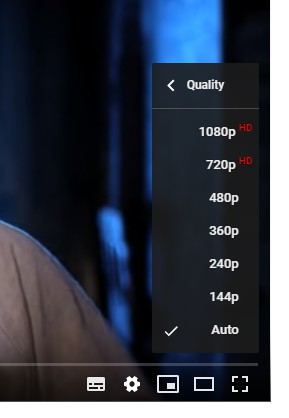
video quality
video quality


The last and most problematic is the video format.

There are endless video formats, and we are also dazzled in the process of practical application. LOL

Which AVI WMV MKV MXF MOV M4V MP4 RMVB MPG FLV

It’s really stunning, isn’t it?

Next, let’s talk about ranking. AVI is similar to WAV in audio files. It has the most volume, but is usually the original material. The biggest advantage of AVI is that it can be streamed. Basically you can use NLE to edit in all office conditions Minus it is very inconvenient to wear

WMV is the Windows Media Video compression specification. MOV are the two QuickTime formats. These two formats are the most widely used HD encoding formats under current technical conditions.

MP4 is mpeg4 . We should all be very familiar with mpeg2 . Supported by excellent encoders, MP4 is also a format that can be frequently used in high-definition environments. Don’t underestimate mp4 because of the inherent concept. The uses of mp4 are many, very wide and very convenient. m4v is an mp4 file in some specific encoder environments, and m2v corresponds to mpeg2

MXF MKV is the package format. To put it bluntly, it’s the box brand. The decoders used in the box can be various and support a wide range of use and high efficiency. In general, finished products that do not require reprocessing can choose these two formats. Basically, this format is selected. It is equivalent to “packaged, ready to receive”. The degree of freedom is very large, and the encoder can be the common DivX, XviD, 3IVX, or even Real, Quicktime, WMV, etc.

RMVB, as the name suggests, the RealVideo format has a high compression rate and the video quality is poor. It is generally used for what you know. Now it is rarely used.

FLV is basically the worst format. .


Free Download Mp4Gain
picture


Mp4Gain Main Window
picture


Mp4Gain Features
picture


Free Download Mp4Gain
picture

What are the factors that affect video quality?

What are the factors that affect video quality?

video quality
video quality

The “image quality” of a video is actually a very complicated topic.

video quality
video quality


Whether it is the fluidity of the image, the size of the image or the clarity of the image, it can be counted in the criteria of “image quality”.

Here we must first clarify some more important parameters

1. Bitrate

The bitrate affects the volume of the video, which is proportional to the final size of the video file. That is, the higher the bitrate, the larger the video file size. The lower the bitrate, the smaller the video file size. What role does the code rate play? In simple terms, bitrate size is the amount of data contained in one second of video. That is the sample rate. In this way, the higher the bitrate, the richer the content of the video file, the richer the image details, and the closer the overall image quality to the original material.

2. Frame rate

The frame rate affects the smoothness of the image. Under normal circumstances, if the video exceeds 24 frames per second, the human eye may assume that it is smooth by default. In most cases, the frame rate does not affect “image quality”, because the frame rate standards that can be selected are “scientific” and “effective”. Whether it is film (23.976), PAL (25), or NTSC (29.97), in these common formats, the frame rates shown in parentheses are the frame rates that can give people a good viewing experience. .

3. Resolution

The definition of resolution should be very familiar to everyone. N*M resolution essentially refers to the number of pixels. The resolution determines how fine the video is. If the original material can be guaranteed. The higher the resolution, the better the video content.

With that said, we can start to infer the image and video quality factors.

first priority

quality of original materials

The quality of good footage trumps everything, and the quality of footage can be hidden. That is, I have a 1920 x 1280 video in hand and downscale it to a 1280 x 720 video. If other parameters are reasonable, the image quality of this video can be guaranteed. For example, I only have a PAL material (720*576), I want to convert it to a 1920*1080 video, if the resolution of this material in this new video exceeds 720*576 (i.e. its original resolution), the quality of the video starts to drop off sharply and there is no way to compensate for this process.

Second, the code rate should be selected within a reasonable range. Under normal circumstances, the original 25M/s video material can still be viewed if it is compressed to 8M/s, but only if your display device is a common home device or general projector. Specific discussions are also required in the high definition environment.

The last and most problematic is the video format.

What are the factors that affect video quality? Part 2

What are the factors that affect video quality? Part 2

Video Quality
Video Quality

Which AVI WMV MKV MXF MOV M4V MP4 RMVB MPG FLV


It’s really stunning, isn’t it?

Next, let’s talk about ranking. AVI is similar to WAV in audio files. It has the most volume, but is usually the original material. The biggest advantage of AVI is that it can be streamed. Basically you can use NLE to edit in all office conditions Minus it is very inconvenient to wear

WMV is the Windows Media Video compression specification. MOV are the two QuickTime formats. These two formats are the most widely used HD encoding formats under current technical conditions.

MP4 is mpeg4 . We should all be very familiar with mpeg2 . Supported by excellent encoders, MP4 is also a format that can be frequently used in high-definition environments. Don’t underestimate mp4 because of the inherent concept. The uses of mp4 are many, very wide and very convenient. m4v is an mp4 file in some specific encoder environments, and m2v corresponds to mpeg2

MXF MKV is the package format. To put it bluntly, it’s the box brand. The decoders used in the box can be various and support a wide range of use and high efficiency. In general, finished products that do not require reprocessing can choose these two formats. Basically, this format is selected. It is equivalent to “packaged, ready to receive”. The degree of freedom is very large, and the encoder can be the common DivX, XviD, 3IVX, or even Real, Quicktime, WMV, etc.

RMVB, as the name suggests, is the RealVideo format, with a high compression rate and poor video quality.

FLV is basically the worst format.

What are the factors that affect video quality?

What are the factors that affect video quality?

Video Quality
Video Quality

Bit rate

Video Quality
Video Quality

Resolution

encoding type

frames per second

The “image quality” of a video is actually a very complicated topic. Whether it is the fluidity of the image, the size of the image or the clarity of the image, it can be counted in the criteria of “image quality”.

Here we must first clarify some more important parameters

1. Bit rate (also called bitrate)

The bitrate affects the volume of the video, which is proportional to the final size of the video file. That is, the higher the bitrate, the larger the video file size. The lower the bitrate, the smaller the video file size. What role does the code rate play? In simple terms, bitrate size is the amount of data contained in one second of video. That is the sample rate. In this way, the higher the bitrate, the richer the content of the video file, the richer the image details, and the closer the overall image quality to the original material.

2. Frame rate

The frame rate affects the smoothness of the image. Under normal circumstances, if the video exceeds 24 frames per second, the human eye may assume that it is smooth by default. In most cases, the frame rate does not affect “image quality”, because the frame rate standards that can be selected are “scientific” and “effective”. Whether it is film (23.976), PAL (25), or NTSC (29.97), in these common formats, the frame rates shown in parentheses are the frame rates that can give people a good viewing experience. .

3. Resolution

The definition of resolution should be very familiar to everyone. N*M resolution essentially refers to the number of pixels. The resolution determines how fine the video is. If the original material can be guaranteed. The higher the resolution, the better the video content.

With that said, we can start to infer the image and video quality factors.

first priority

quality of original materials

The quality of good footage trumps everything, and the quality of footage can be hidden. That is, I have a 1920 x 1280 video in hand and downscale it to a 1280 x 720 video. If other parameters are reasonable, the image quality of this video can be guaranteed. For example, I only have a PAL material (720*576), I want to convert it to a 1920*1080 video, if the resolution of this material in this new video exceeds 720*576 (i.e. its original resolution), the quality of the video starts to drop off sharply and there is no way to compensate for this process.

Second, the code rate should be selected within a reasonable range. Under normal circumstances, the original 25M/s video material can still be viewed if it is compressed to 8M/s, but only if your display device is a common home device or general projector. Specific discussions are also required in the high definition environment.

The last and most problematic is the video format.

There are endless video formats, and we are also dazzled in the process of practical application.