How is the audio compressed? Part 2
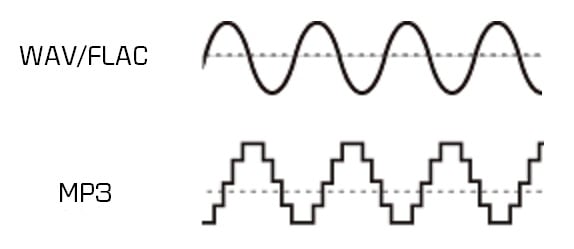
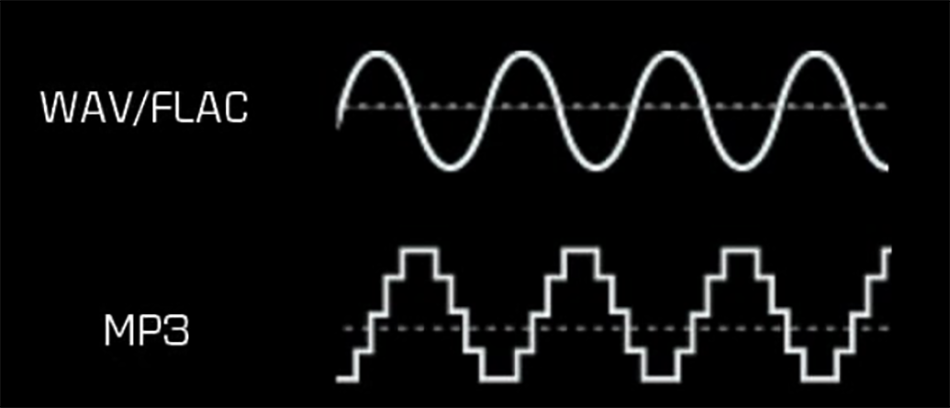
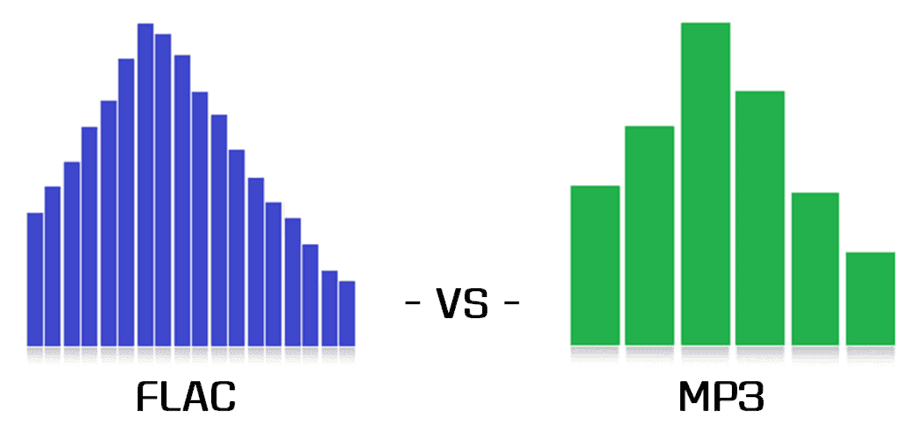
How was it achieved that the mp3 occupies much less disk space?
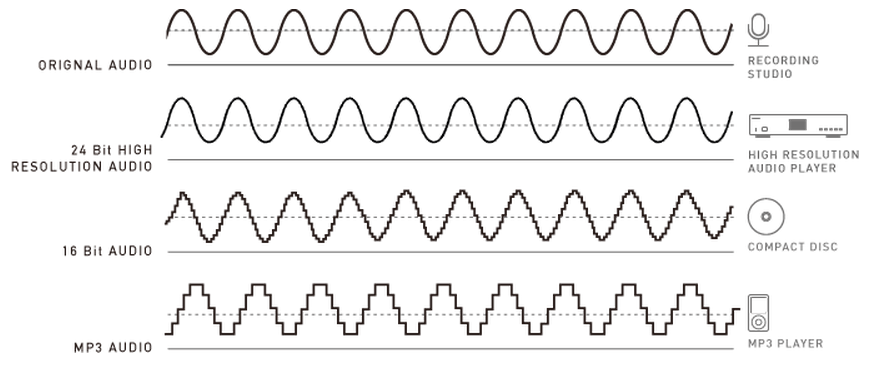
We saw in previous articles that audio quality is not measured in a simplified way, ignoring the human ear, only based on the ability to store more audio frequencies… since many are not perceptible to human hatred… and What would we gain by having those frequencies? We would only waste storage capacity, keeping things that our ears cannot distinguish.
Well, the first thing an mp3 file does is a zip type compression. But then it is based on the perception of human hatred to rule out information.
In the first place, it discards very serious and very acute frequencies, which are not perceptible to human hatred.
With that, it achieves a very important saving of space and does not affect the quality of what we hear at all, as long as a minimum bitrate of 192 kbps and a minimum sample rate of 44100 are used.
But other things of the perception of the human ear are also used, such as the masking effect which could be summarized as follows:
If two nearby frequencies are heard in a short space of time, the second one will not be detected by the human ear, so we can discard it without anyone noticing its absence, and yet we will be saving disk space.
With this idea you will understand how you have to know the functioning and limits of the human ear to be able to choose what information to discard without modifying what the ear captures.