
Analog or digital audio?
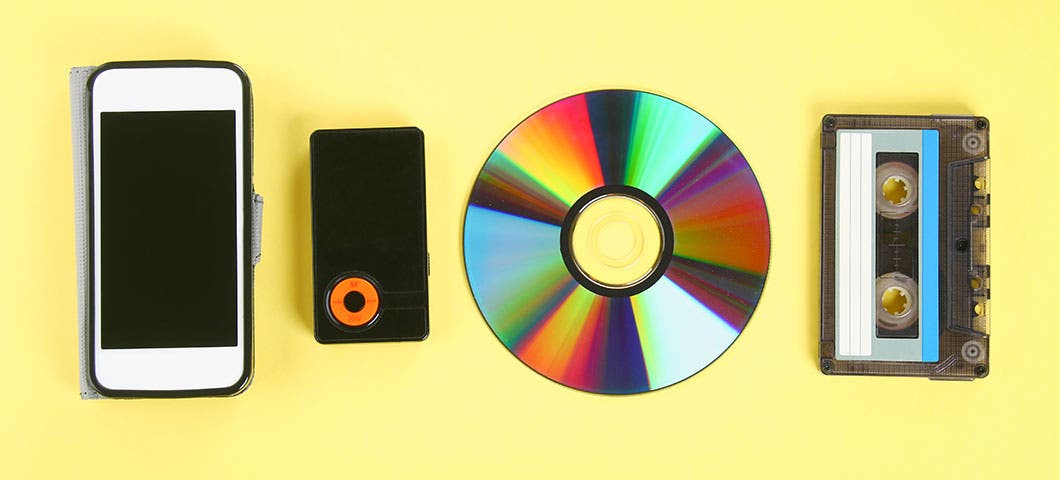
Mechanical, electromechanical, optical, and magnetic recording were originally analog recording methods: recording and reproducing sound vibrations in their natural form (waves).
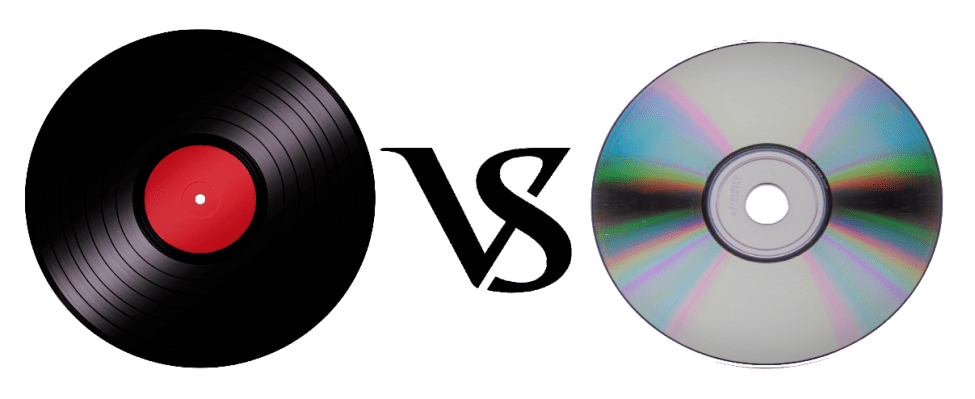
Many people believe that there is no better sound recording than analog. The warm analog sound of the magnetic tape is the standard of the best audio recordings for all mankind. Everyone from Elvis Presley and the Beatles to the latest electronic musicians have used and are using analog tape recording or emulation to create their music.
But analog recording is not the most accurate way to record sound. Rather the most beautiful. Analog sound is pleasant to the human ear due to the presence of “warm” harmonics, which are, in fact, distortions of sound. The most accurate sound recording principle today is digital recording.
The father of digital sound was 25-year-old Volodya Kotelnikov, who created it in 1933. The famous “report theorem” (also known as “Kotelnikov’s theorem” or “Nyquist-Shannon theorem). This theorem was the beginning of the creation of the principle of digitizing sound: encoding an audio signal into bits, that is, converting an analog signal into digital. It only took 49 years to create the CDs we know about. the world, it was only adopted in 1982.
A complete list of the types of digital sound recording in use today is digital magnetic recording (format: DAT cassette), magneto-optical recording (miniDisc format), laser recording (CD, SACD formats), digital recording optical (dolby digital)
The development of computers and digital technology has opened up enormous possibilities for processing and recording sound. Huge analog studios with countless multi-kilogram recording equipment, consoles, and sound processors are being replaced by virtual studios that fit into the computer’s system unit.
To process sound on a computer, it must first be recorded in digital, encoded format. The analog signal is encoded by an analog-to-digital converter (ADC). To play back the recording, you must reverse the digital-to-analog audio conversion using a digital-to-analog converter (DAC). The DAC and ADC are part of the computer sound card and other digital audio equipment. The quality of sound recording and playback is highly dependent on the quality of the DAC and ADC.
DAC and ADC
The main parameters of digital sound are sample rate and bit depth. Both the quality of the digitized sound and the size of the recorded file depend directly on them.
Sampling rate (sampling)
Analog recording begins by pressing the “record” button and ends by pressing the “stop” button. Digital recording is discreet. It consists of many recording fragments (samples) that follow one after another. The number of samples logged per second is the sample rate. It is calculated in hertz. The 44 100 Hz sampling rate (standard for CD) means that the audio signal is measured 44 100 times per second. The lower the sampling frequency, the smaller the frequency spectrum that is recorded. The higher the sampling frequency of the source material, the higher the quality and the larger the file size. When you talk on the phone, you only hear a small mid-range range. This is because the sample rate for phone calls is only 8,000 Hz. To transmit a range of frequencies that the average person’s ear hears and transmits home stereos: 40,000 Hz is sufficient. If the difference in sound quality between 32 and 44.1 kHz is obvious, then the higher the sampling frequency, the less perceptible or not at all perceptible to the ear the difference in quality between the two different frequencies will be. A higher sample rate describes sound more precisely, but at the same time describes those frequencies that the human ear can no longer hear, although changes in sound in the inaudible frequency range can still affect audible frequencies, so that studio recording is performed at a higher sample rate. Since consumer equipment is primarily designed to reproduce sound with a sample rate of 44.1 kHz, when the recording is ready, it is re-encoded to a generally accepted standard. If the difference in sound quality between 32 and 44.1 kHz is obvious, then the higher the sampling frequency, the less perceptible or not at all perceptible to the ear the difference in quality between the two different frequencies will be.


