
Analog and digital sound sources

Digital music comes from two main sources: analog and digital.
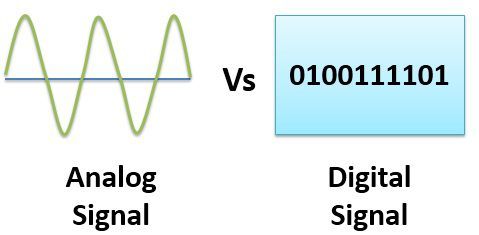
Analogous sources
An analog music source must use an analog-to-digital converter, such as a sound card, to convert the physical changes of the analog medium into a digital file that can be read by a computer. An analog medium is an object that stores music in itself through physical changes.
For example:
A cassette recorder changes the degree of magnetization of a cassette tape to record sound. Connecting a cassette deck to a recording device allows you to make a digital copy of an analog cassette.
The recorder cuts grooves in the vinyl record to create a physical representation of the sound. Ripping vinyl with a preamp and sound card allows you to make a digital copy of an analog record.
Analog recordings can be converted to digital music files in various formats, such as FLAC and MP3. Vinyl recordings can always be posted to the site, but posting tape recordings and other analog sources requires approval from the moderator.
Digital music sources
Music from digital sources is already encoded in a computer-compatible format, so no additional conversion is required. A digital medium is an object that stores music digitally (as a sequence of binary numbers).
For example:
CD
DVD
Super Audio CD (SACD)
Content from online stores (iTunes, Amazon, etc.)
Music from digital sources can be uploaded to RED after analyzing the spectrograms of the files to verify lossy transcoding.
Comparison of analog to digital music sources
Controversy still exists as to whether music sounds differently from analog and digital sources. Some people prefer the feel of vinyl and find that music on vinyl sounds “warmer” and “brighter.” On the other hand, some believe that digital sources provide true, pure and authentic sound. Both are represented in RED, so you can compare and make your own choice!


