Did you know that you are destroying your hearing?
Part 2

“Sometimes the noise disturbances you get in your early years don’t start to snowball until you get older,” Grunwald said.
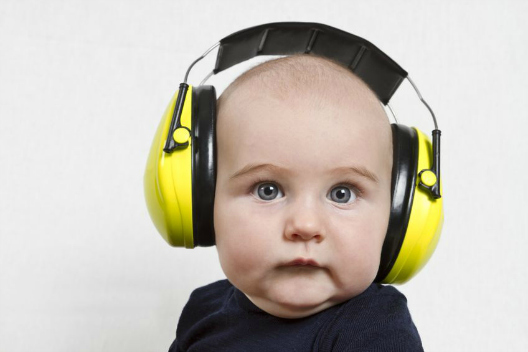
It’s just this little hearing loss, and my hearing is a little damaged, “and it didn’t become a problem until later in life.”
What noise can put me at risk of hearing damage during leisure activities?
US workplace safety regulators, the National Institute for Occupational Safety and Health (NIOSH) and the Occupational Safety and Health Administration (OSHA), require that noise exposure be limited to 85 decibels, which is like city traffic noise heard in a car Just as loud. Long-term continuous exposure to noise levels above 85 decibels will undoubtedly put people at greater risk of losing more hearing function over time. Noise-induced deafness can happen all at once, but in some very common cases, the effects may take until later in life to become apparent.
A study from the University of Leicester showed that headphones with a music player can raise the sound level to 120 decibels, and this noise level is deadly because the noise level exceeds 110. The decibel “stripped the myelin sheath of nerve cells, making it difficult for electrical signals to be transmitted from the ears to the brain. If you damage your hearing in this way, the damage is permanent and cannot be repaired. from.
If you were exposed to unusually loud noise in your early years, your hearing damage tends to get worse as you age.
“The noise level of a power tool is about 90 decibels,” said Todd Ricketts, professor and chair of the Department of Graduate Studies in Hearing and Speech Sciences at Vanderbilt University Medical Center. Dr. Said Ricketts: “A chainsaw, a jet ski is about 100 decibels. Or you say a very loud club, a loud concert, it can go up to 105 decibels. A very loud car stereo could even have a noise level of 120 decibels.” , or a little more. If you’re just a few feet away from a weapon, you hear a noise level of 140 decibels, which equals or exceeds the threshold of pain.”
Many people experience “temporary threshold shifts” or hearing fatigue, where after a loud concert or nightclub, for a few days, you hear increasingly muffled sounds, but then it comes back. It’s a chemical way your ear protects itself, and when the fuzz inside your inner ear gets tired, the sound doesn’t seem as clear. If you want to recover, go to a quiet place until Hearing Recovery Sensitivity returns, and to avoid experiencing more temporary changes in hearing threshold in the future.
Hearing loss occurs gradually and is easily overlooked (Credit: Getty Images)
IMAGE SOURCE, BBC WORLD SERVICE
Screenshot,
Hearing loss occurs gradually and is easily overlooked (Credit: Getty Images)
How do I know my hearing is declining?
If you were exposed to unusually loud noise in your early years, hearing damage tends to be more severe as you age or develop hearing damage earlier. Ricketts calls this the “delayed effect.”
A 2013 YouTube video from AsapScience asked, “How old are your ears?” The problem is that you probably don’t like the test results. Your ears are probably 20 years older than you.
If you’re concerned about your hearing, here are some free hearing test apps you can try on your own in preparation for seeing an audiologist.