
DAC and all the most important things to know about it
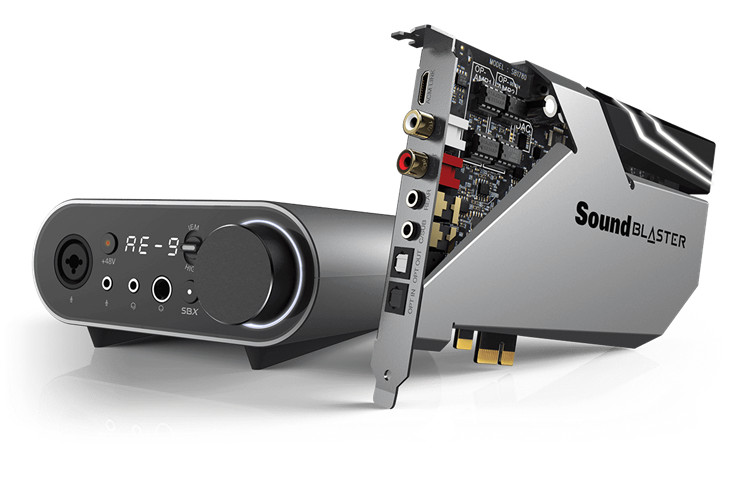
Without a DAC, there is no music if your music files are stored digitally. You may not know how they work, but most of us use at least one digital-to-analog converter on a daily basis, better known as a DAC or DAC (digital-to-analog converter).
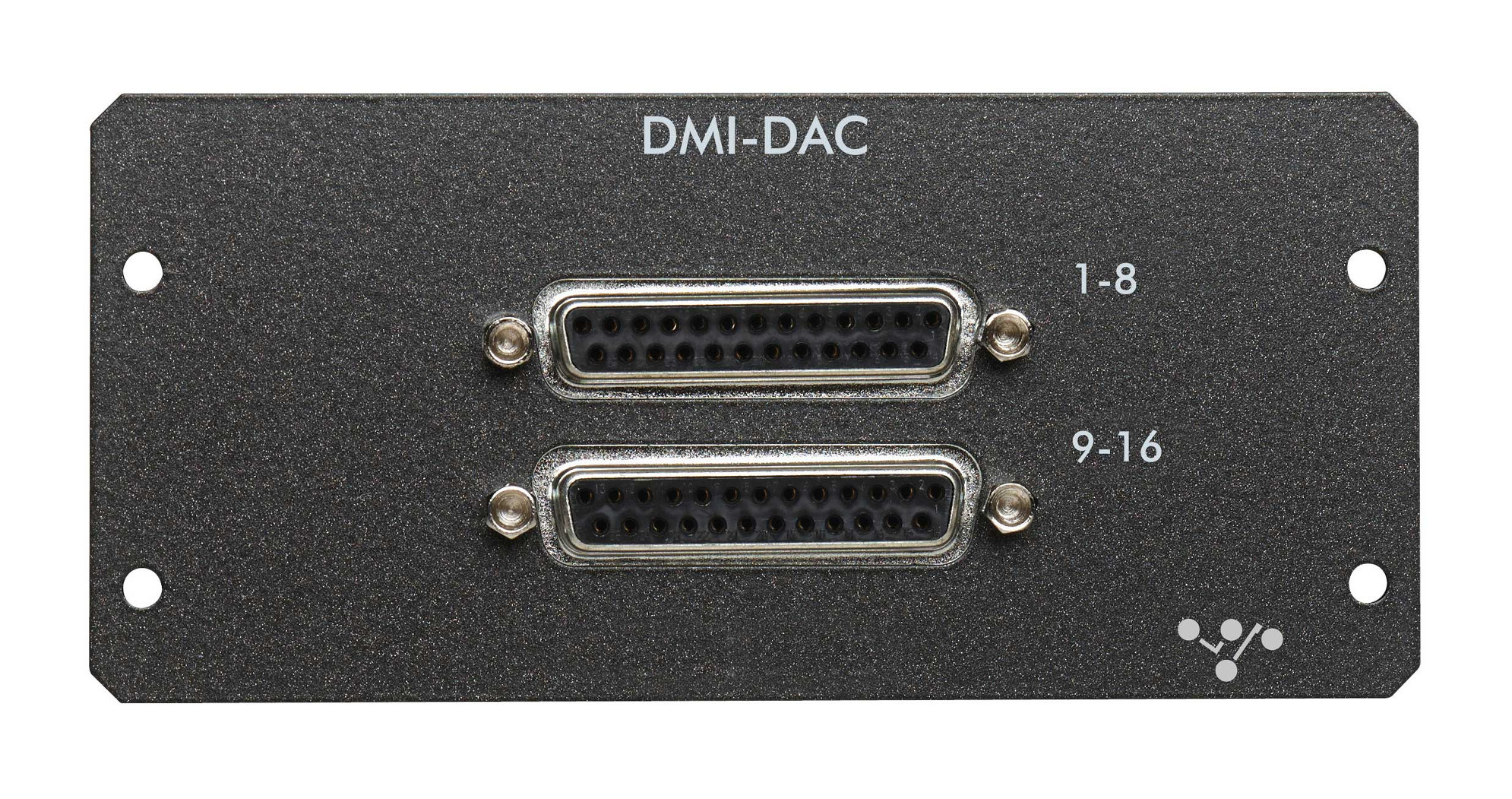
They are embedded in devices such as computers, tablets, smartphones. DAC is the fundamental basis for decoding familiar digital music, converting it back to an analog signal that the human ear can hear.
Any digital signal source device, be it a CD or Blu-ray player, DAB (digital radio), TV box, game console, or music player, needs a DAC to convert the sequence of ones and zeros into a analog signal before sending it. for playback.
Traditional amplifiers do not amplify and the speakers do not reproduce the digital signal and your ears cannot hear it. They only perceive sound waves. Without a DAC, your digital music collection is useless. This is a simple set of “0” and “1”, which is necessary only for the operation of digital devices. In short, DACs play an important role in digital music playback.
However, a serious problem is that the DAC microcircuits built into most of the devices presented above may not often be of a high enough level and cannot always provide the highest possible quality of the digital original. In this sense, the idea arises of the need to replace the DAC to transform the digital music file and make the most of its audio system.
The sounds we hear every day, whether it be music, speech, the noise of a big city or the murmur of a stream, are transmitted as sound waves and reach our ears as a continuously changing analog signal.
One of the first ways to store analog recordings was the prototypes of today’s vinyl records, and later there were tapes, but the unwanted noise during playback and the fragility of these formats demanded something new. And this innovation was the compact disc (CD), invented by Sony and Philips in the 1980s and revolutionizing the digital storage of music discs.
Digital audio is very different from analog audio. Digital music files are typically created using Pulse Code Modulation (PCM) or PCM in English, and are created by continuously measuring the amplitude of an analog signal at a constant rate.
The amplitude value is then encoded as a binary number (set of ones and zeros), and the length of this number is often called the bit depth. The time interval between measurements is determined by the sampling frequency.
With a standard CD, measurements are taken 44,100 times per second (44.1 kHz). Each measurement is recorded for storage in binary format with 16-bit precision. High-resolution audio tracks are recorded at up to 24-bit, 192 kHz or higher.
Generally speaking, digital audio data can be encoded at different bit depths and sample rates, and then into different file formats with different compression rates to reduce size. But no matter how they are created, the DAC’s job is to recognize all of this and translate it from the binary as accurately as possible to get as close as possible (as much as possible) to the analog original.
Why do I need a separate DAC?
All about DAC
In fact, almost all modern digital audio devices have a built-in DAC, but not all DACs are the same. Low-grade converters can introduce unwanted noise due to the limited capabilities of the microcircuit used. They cannot support all data rates, not to mention the added distortion due to loss of sync (jitter or jitter).
Loss of synchronization is defined as a time delay. Precise time intervals (timings) are extremely important in the process of receiving a digital music stream and if they are not maintained (usually due to poorly designed digital clock circuitry) the sound quality suffers.
Loss of synchronization problems can occur with the transmission of digital signals and are especially dangerous when transmitting a signal between two devices. Therefore, in recent years, asynchronous DACs, using their own clock source, have become widespread.
Clock generators in higher quality DACs tend to be more stable than those found in mid-range PCs, so the sound will be correspondingly better (all things being equal).

