What music file is the most recommended? Part 2
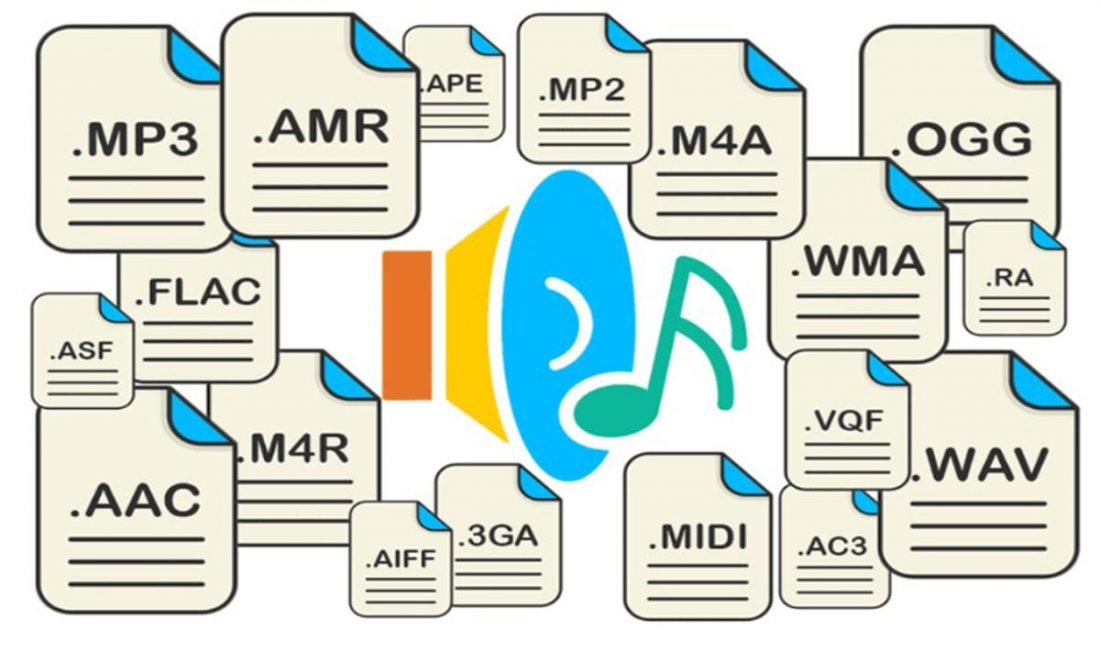
FLAC is a well-known free audio compression codec, which is characterized by lossless compression.
Unlike other lossy compression codes such as MP3 and AAC, it does not destroy any original audio data, so it can restore the sound quality of music discs. It has been supported by many software and hardware audio products since 2012. Now major websites have FLAC music downloads, and publishers usually take the .cda audio track directly into .flac after buying the CD to ensure quality lossless original CD.
AAC, the full name for Advanced Audio Coding, is a file compression format designed for sound data. Unlike MP3, it uses a new encoding algorithm, which is more efficient and has a higher “price ratio”. Using the AAC format may make people feel that the sound quality is not significantly reduced and that it is more compact. Apple iPod and Nokia mobile phones support audio files in AAC format.
Ogg’s full name should be OGGVobis (oggVorbis) is a new audio compression format, similar to MP3 and other music formats. Ogg is completely free, open, and patent-free. OggVorbis files have the extension “.ogg”. The Ogg file format can be continually improved in size and sound quality without affecting older encoders or players.
In a nutshell, MP3 is an audio compression technology. Since the full name of this compression method is called MPEG Audio Layer3, people call it MP3 for short. Ability to compress files to a lesser degree with little loss of sound quality. And it keeps the original sound quality very well. It is precisely because of MP3’s small size and high sound quality that the MP3 format has become almost synonymous with online music.
WMA is a very common music file format, which is a convenient audio file for storage and can be used in files encoded in many formats. The outstanding feature of WMA is that it is smaller than MP3 (with the same sound quality), and it can also increase the copyright protection function. Some common WMA-enabled applications include Windows Media Player, Windows Media Encoder, RealPlayer, Winamp, and more. Other platforms such as Linux and hardware and software on mobile devices also support this format.
MIDI did not first appear on the computer, it was produced by electronic musical instrument manufacturers for the “communication” of different types of electronic musical instruments. Since it uses digital technology, of course, it is naturally easy to connect with the computer. . Today, MID files are mainly used for original instrumental compositions, amateur performances of popular songs, game soundtracks, and electronic cards.