
Audio compression (format)

Audio compression (different from dynamic compression) is a type of data compression used to reduce the transmission bandwidth requirements of streaming audio media and the storage size of audio files.
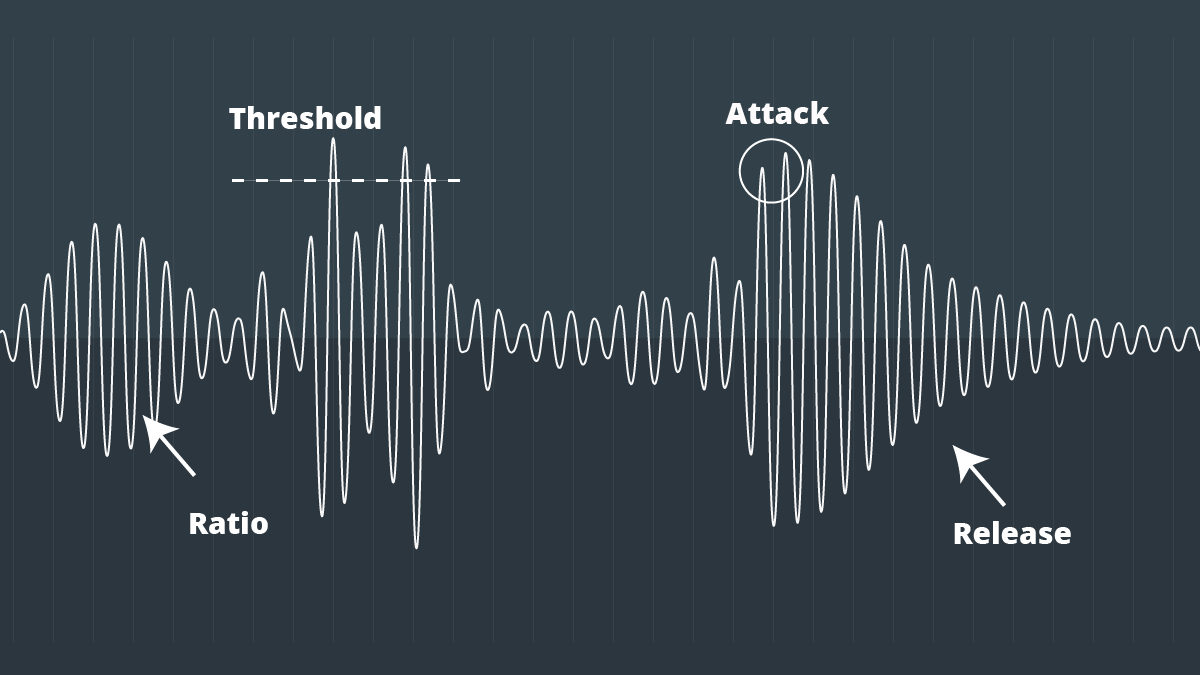
According to the compression method, it can be divided into lossless compression and lossy compression.
Lossless audio compression
Although lossless compression reduces the storage size of the audio, it can retain all the information of the original file and there is no difference between playback and the original file. It can be evaluated from the following aspects: compression speed, compression ratio, decoding speed, software and hardware support, stability, and error rate.
Lossless compression is a reversible process that uses information redundancy for data compression.
According to the source encoding theorem in information theory:
{\displaystyle R={\frac{K}{N))}
where is the length of the input message. north
kes the length of the output message.
If it is less than the mutual information of the two, the transmitted data will be incorrect, so lossless compression is impossible. R
However, messages transmitted in real life often have information redundancy, so lossless compression is still feasible.
An example of the use of information redundancy for compression is as follows:
Suppose the message to be delivered today is which seats in a classroom are vacant.
Instead of sending a series of messages with individual information for each seat, it saves message size by directly sending which rows of seats are free.
Therefore, the compression ratio of lossless compression is also related to the consistency of the data source. The higher the consistency, the higher the compression ratio.
Shorten is one of the first lossless compression formats; later came Free Lossless Audio Codec (FLAC), Apple Lossless (ALAC), Monkey’s Audio (APE), and WavPack (WV).


