
What is the difference between 128k and 320k music? Part 2
Bit rate, sample rate, lossless, MP3, FLAC, APE, 320kb, 192kb, 128kb, 44.1khz, CBR, VBR. Does this bunch of various names make you both familiar and unknown?

The higher the bitrate, the better the sound quality. Lossless music is the highest sound quality, right? So, let’s start with the sound collection.
【Audio composition】
Nowadays, when we talk about audio, everything is digital audio. Digital audio consists of three parts: sample rate, sample precision, and number of sound channels.
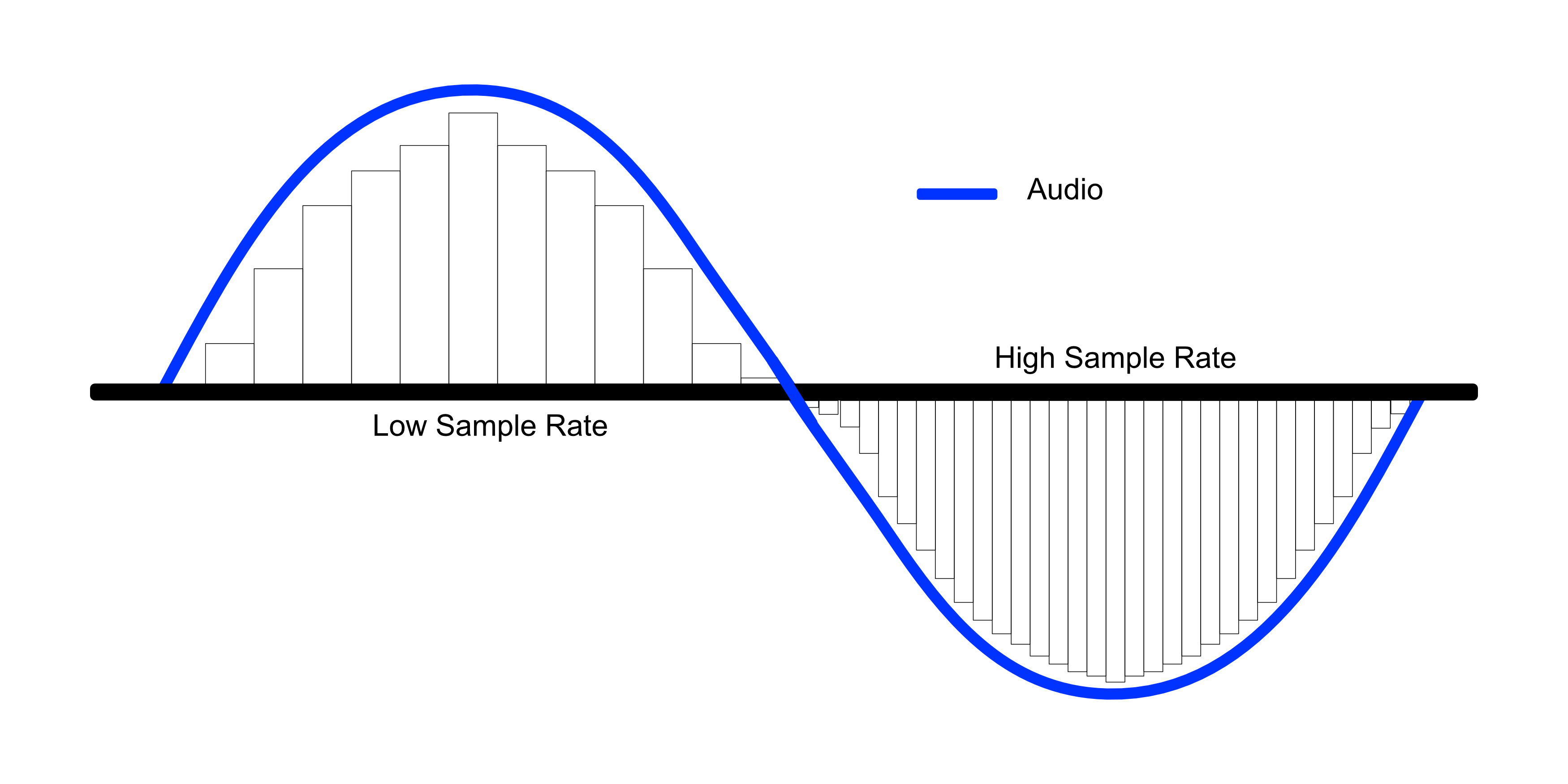
Sample Rate: Both the sample rate, which refers to the number of samples per second when recording the sound, expressed in Hertz (Hz).
Sampling Precision: Refers to the dynamic range of the recorded sound, measured in bits (Bit).
Sound channel: the number of channels (1-8).
In simple terms, we can think of a sound wave as a curve. We know that the curve is made up of points, and the sampling frequency is the number of points in the middle of the length per second (the horizontal axis of the figure above). Sampling precision is the number of points in the dynamic range (upper vertical axis). The finer the positioning of these two dimensions, the greater the true sound restoration and the better the sound quality. Of course, the larger the audio file will be. The customer mentioned by the previous colleague said that the latest Hi-Res Audio format released by SONY is a 6-channel 192kHz/24-bit recorded audio file. The size of the lossless format, of course, will be more than 200 megabytes.


