
What is the difference between MP3 and WAV files?
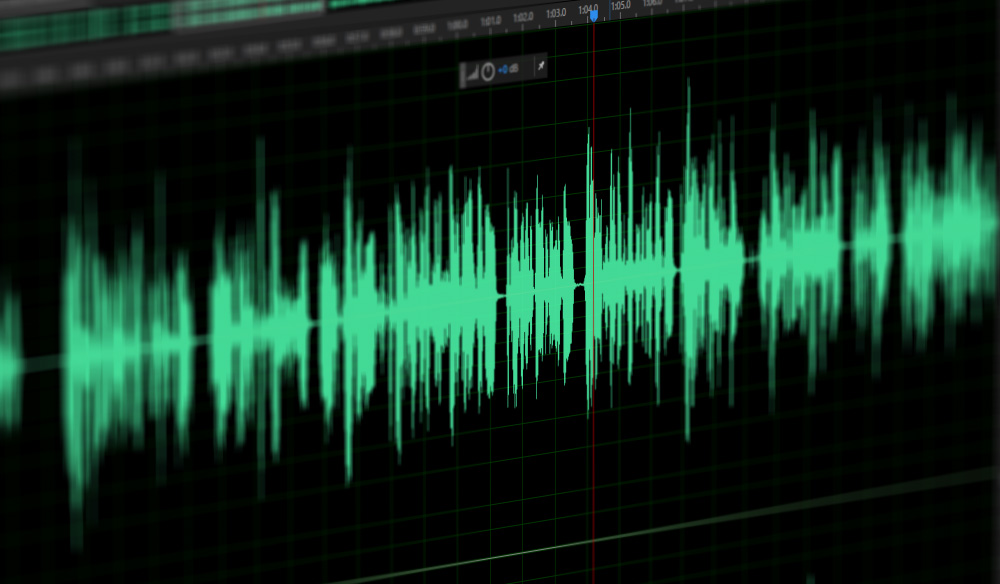
Both MP3 files and WAV files are digital audio formats.

Due to differences in encoding and compression ratio, the two have different file sizes and sound quality. WAV is the closest music format to lossless, and MP3 files save space by encoding the audio and removing certain parts.
Difference 1: different compression ratios
WAV is a type of lossless music. The data format itself is PCM or compressed, which is a kind of lossless music format. So WAV files are larger than MP3 files;
MP3 is an audio compression technology, its full name is MPEG Audio Layer 3 (MPEG Audio Layer 3), abbreviated as MP3. It is designed to drastically reduce the amount of audio data. MP3 converts the time-domain waveform signal to a frequency-domain signal by using the human ear’s insensitivity to high-frequency sound signals and dividing it into multiple frequency bands. increased for high frequencies (even ignoring the signal) Use a small compression ratio for low frequency signals to ensure that the signal is not distorted. In this way, it is equivalent to discarding the high-frequency sound that is basically inaudible to the human ear, and only retaining the low-frequency part that can be heard, thus compressing the sound with a compression ratio of 1:10 or even 1:12. This compression method is the MPEG Audio Player3 mentioned above.
Difference 2: the sound quality is different
Due to the difference in the degree of compression, the sound quality of the two is different. WAV is the closest lossless music format. WAV file with standard format is the same as CD format, and it also has 44.1K sample rate and 16-bit quantized numbers. Therefore, the sound file quality is almost the same as CD;
MP3 files save space by encoding the audio, removing some parts, but there is no difference between normal listening and normal equipment and normal volume.

