
What is a digital audio workstation?
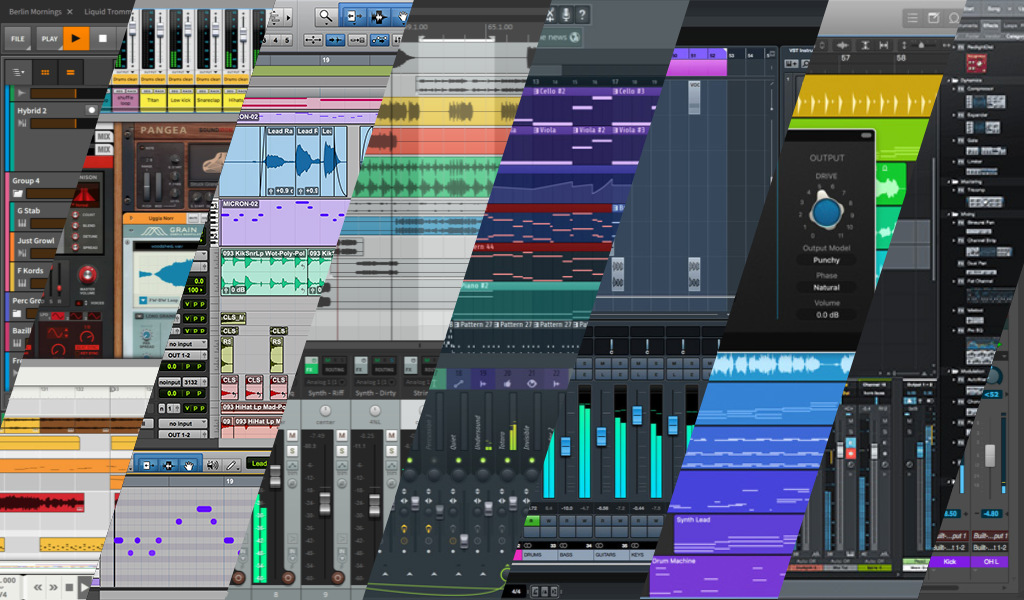
The Digital Audio Workstation (DAW) is a specialized or general-purpose computer system capable of recording, storing, reproducing, and processing digital audio. Specialized systems are exclusively focused on working with digital sound and are produced in a full version, allowing only limited expansion, or not at all. Universal systems represent an ordinary personal computer equipped with means for audio input / output (DAC / ADC and / or digital interfaces) and a set of programs for its recording, playback and processing. In addition, the station may contain other components, for example, digital processing hardware modules, music synthesizers, CD recorders, etc.
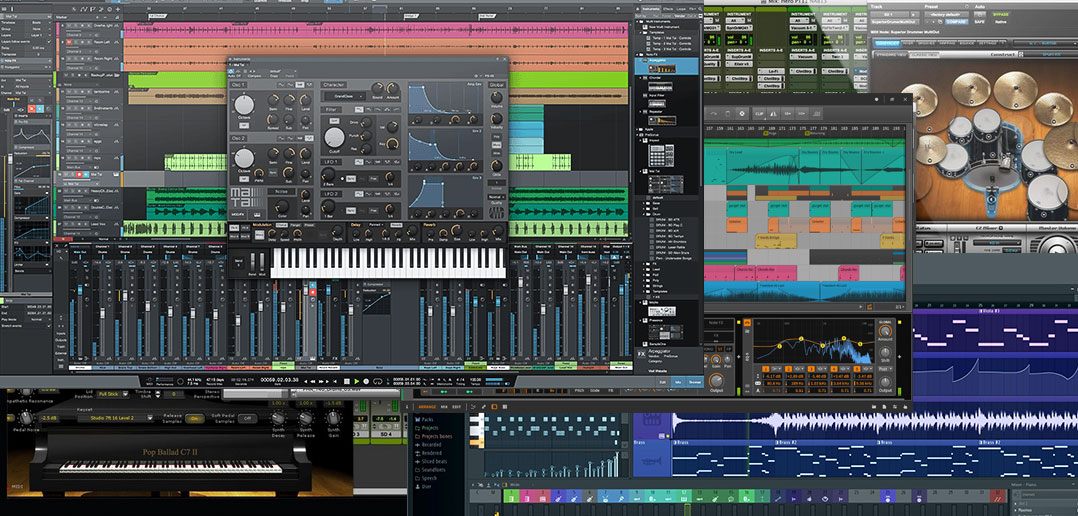
Since any computer system is a major source of high-frequency interference, there are problems with achieving professional sound quality when using the built-in ADC / DAC. In such cases, it is preferable to use external ADC / DAC modules that provide and receive digital information in real time via universal or proprietary digital interfaces.
What hard drives are used in workstations?
Most specialized workstations use SCSI (Small Computer System Interface) hard drives to store sound, which have become a universal standard; Any popular computer system has the ability to connect these disks. The advantages of SCSI are universality among all computer systems, the ability to connect up to seven devices (any, not just a disk) to one controller, good arbitrage in the competition between devices, the intelligence of each device, higher quality general performance, the ability to use an interface for direct communication between two stations. … Disadvantages of SCSI include the high cost of interfaces and disks and the limited range of models available.
In computers like IBM PC, hard drives with an IDE (Integrated Drive Electronics) interface are more popular, which have not been widely used in other systems. The advantages of IDE disks are simplicity, good performance, not inferior to most SCSI disks, and in some cases superior to them, low cost, mass production, a wide range of models. Disadvantages: poor performance and reliability of lower class models, the ability to connect only two units to one controller, the impossibility of direct connection of two stations, often the worst support of controllers for operating systems.

