
Audiophiles versus compressed music
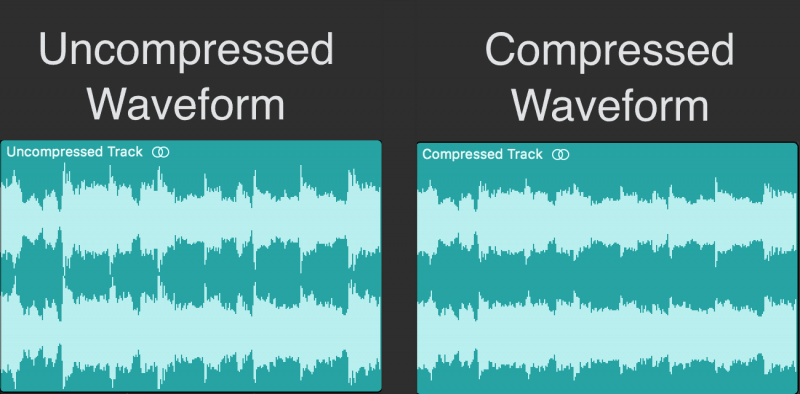
Most audiophiles – people with superior hearing, premium audio equipment, and great quality for the best sound quality – tend to put off MP3, AAC, and other digital audio formats because they use compression to create small files.
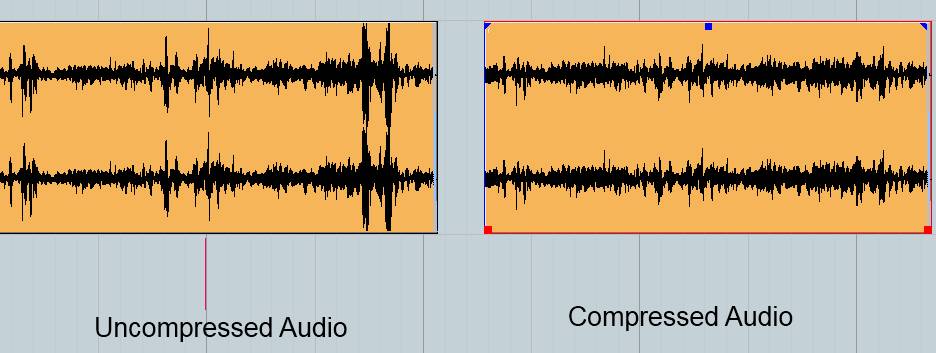
The trade-off for small files created by compression is that some of the information is removed, usually the highest and lowest parts of the audio range. Most average listeners don’t hear loss.
While many audiophiles have strong feelings about compressing music, this article is not really directed at them. This article is aimed at the average listener – someone with a standard iPhone or iPod, decent but not very expensive speakers or headphones, and average listener.
AAC vs. MP3
AAC music files, the preferred audio format of iTunes and Apple Music, are widely believed to sound better and take up less space than MP3s of the same song. I put this theory to the test to help you decide which file format to use for the songs in your iTunes library, as well as your iPhone and iPod.
To play this audio file format, I encoded two songs differently: 128 Kbps AAC and MP3 files, 192 Kbps AAC and MP3 files, and 256 Kbps AAC and MP3 files.
The higher the Kbps, the larger the file, but the better the quality, at least in theory. For all files, I used the built-in encoder in iTunes.
If you haven’t already, you can also read AAC and MP3: Which One to Choose for iPhone and iTunes for more helpful information.

