
Professional quality audio over IP
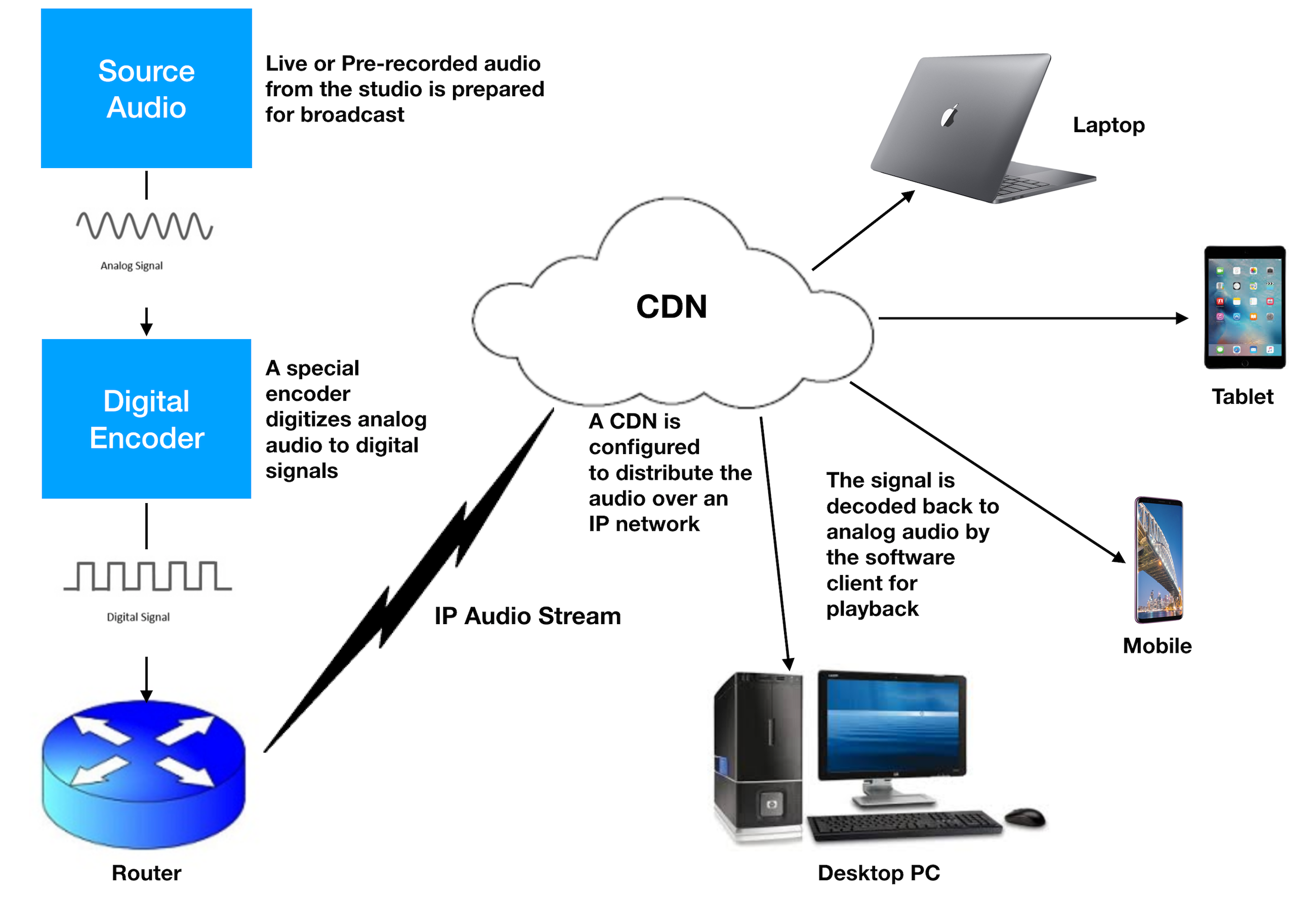
The move from direct connections to networking solutions for professional AV equipment, which began two decades ago, is gaining momentum (especially in audio technology). The opportunities that are opening up, in particular the free movement of devices indoors, are attracting more and more followers.
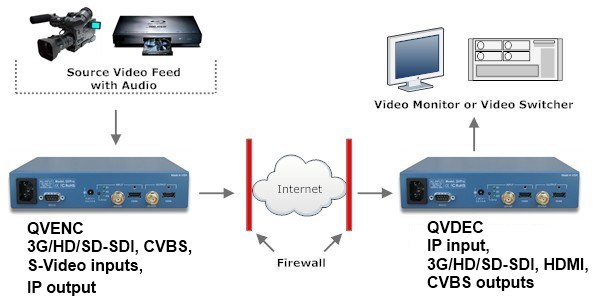
Despite the certain popularity of solutions using specialized switches, the most widely used protocols for audio transmission based on IP (Audio over IP), as they can be implemented in the existing network infrastructure. Today, more than two dozen of these protocols are in use, both open and proprietary. The most popular of them is Dante, developed by the Australian company Audinate.
In the case of analog systems, audio equipment is usually directly connected by cables: one channel, one cable. Copper audio cables take up a lot of space, are heavy and bulky. Connecting them is an expensive and time-consuming procedure and, among other things, it is fraught with errors in large installations. In the case of AoIP, a twisted pair cable can transmit data simultaneously from tens and hundreds of audio channels.
In addition to reducing the amount of work and reducing the cost of the project as a whole, using AoIP also provides functional benefits, including the ability to route audio signals over long distances without degrading their quality. In this case, the signal transmission path can in fact be adjusted with a click of the mouse without making any changes to the wiring. In turn, the absence of signal degradation eliminates the need for amplifiers, which are necessary to compensate for signal attenuation due to electromagnetic interference, high-frequency attenuation, and voltage drop.
AUDIO VARIETIES ON THE NETWORK
AoIP systems allow the transmission of uncompressed digital audio over Ethernet / IP. Depending on the layer in which they operate, protocols are divided into three main classes: physical, data link and network layers.
Physical layer protocols allow the transmission of signals from one device to another over conventional Category 5e or better twisted pair cables. These include protocols such as Behringer’s AES50 or Roland’s Ethernet Audio Communication (REAC).
Link layer protocols allow you to create a channel between two devices on a network. The first protocol of this class was Cirrus Logic’s Cobra Net, which appeared in 1996. Another well-known representative is Ethersound.
The IEEE adopted the 802.1BA standard for Audio Video Bridging (AVB) (as well as several related standards). AVB has been designed to minimize the necessary changes to the network infrastructure. However, to transmit a professional quality video and audio network, all bridges (switches) in the signal path must support AVB.
Network layer protocols can connect multiple devices and exchange signals between them. In addition to Dante, these are Axia Audio’s proprietary Livewire protocol and ALC NetworX’s open Ravenna protocol. The first is widely used by broadcasters

