
Sampling theorem [sampling theorem]
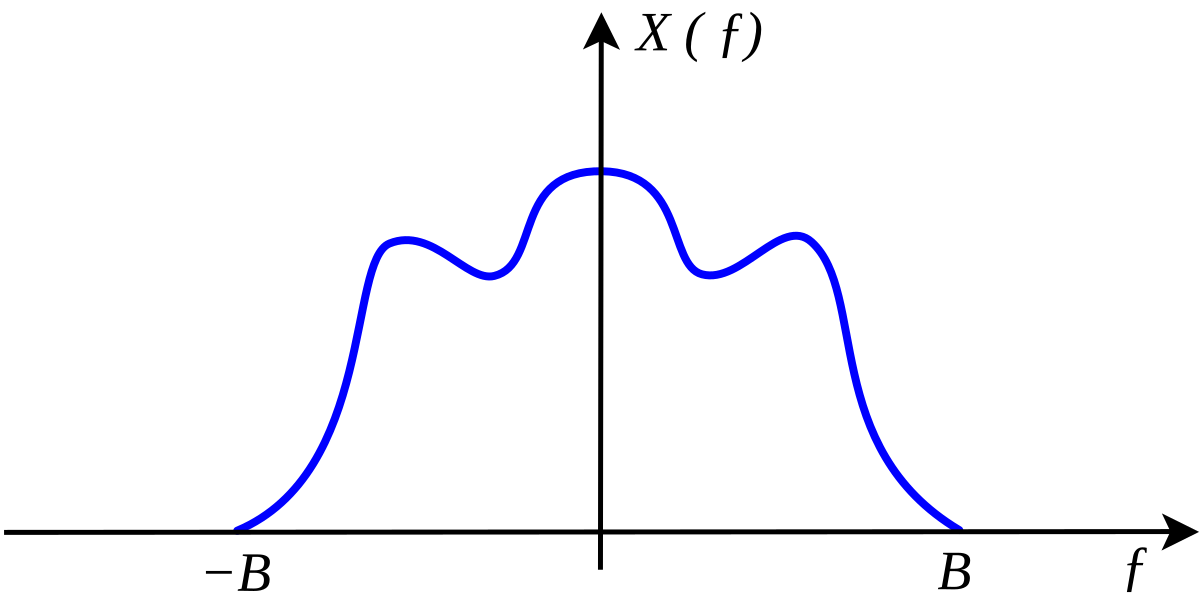
The sampling theorem is a theorem that shows that in order to accurately convert an analog signal to a digital signal, it is necessary to sample at a sampling rate that is twice the maximum frequency of the original signal.
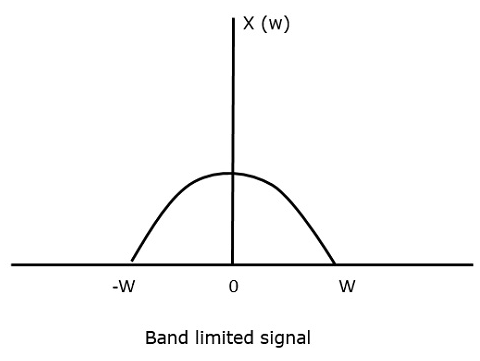
sampling theorem
To digitize an analog signal, a sampling process is performed in which the amplitude is measured at regular intervals and converted to discrete values. The shorter this period (higher sampling rate), the higher the accuracy of the original waveform recording, but the amount of data after digitizing increases accordingly.
The sampling theorem shows at what sampling rate the original waveform can be accurately reconstructed, and if the sampling rate is more than twice the highest frequency contained in the original signal, it will be digitized. can be accurately reproduced from subsequent data.
This can also be expressed as the fact that only signals up to half the sample rate can be accurately restored from the digitized signal. This maximum reproducible frequency (half the sample rate) is called the “Nyquist frequency”.


