
Does the bitrate of an mp3 improve the sound quality?
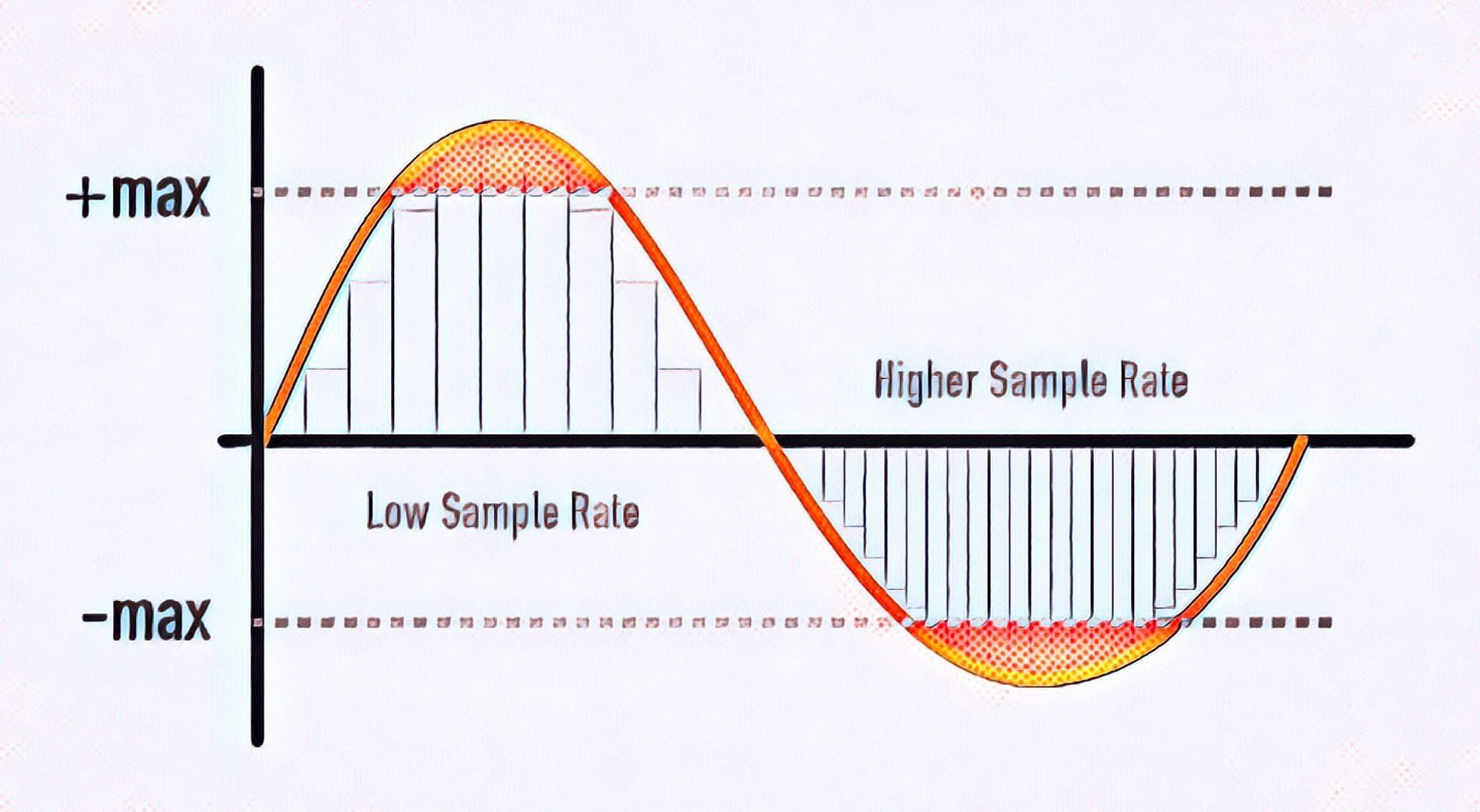
The sound quality of a digital audio file depends on a variety of factors, including bitrate. Does the bitrate of an MP3 file improve the sound quality? In this article, we will explore this question and see how bitrate affects the sound quality of an MP3 file.
Bitrate refers to the amount of data used to encode a digital audio file. The more data used, the better the sound quality. This is because there is more information contained in the file to recreate the original sound.
Bitrate is measured in bits per second (bps). The higher the bitrate, the better the sound quality. For example, an MP3 file with a bit rate of 128 kbps will have much better sound quality than an MP3 file with a bit rate of 64 kbps.
However, the higher the bitrate, the larger the file size. This means that higher bitrate MP3 files will take up more space on your hard drive. Therefore, it is important to balance the bitrate with the desired sound quality. For example, if you want to store a lot of MP3 files on a hard drive, it is better to use a lower bitrate to reduce the footprint.
Also, MP3 files with a higher bitrate will have better sound quality on high-quality audio players. Therefore, if using headphones or a high-quality speaker system, it is advisable to use a higher bitrate to get the most out of the speakers’ potential.
In conclusion, the bitrate of an MP3 file affects the sound quality. The higher the bitrate, the better the sound quality. However, it will also increase the file size. Therefore, it is important to find a balance between bitrate and desired sound quality to get the best performance.


