
Decay Time in Sound
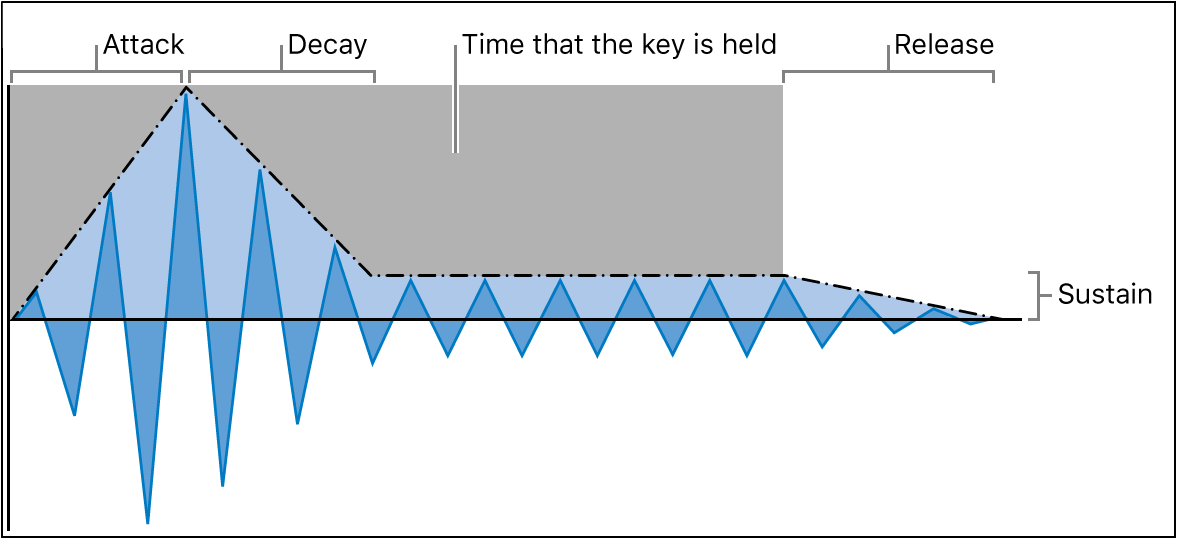
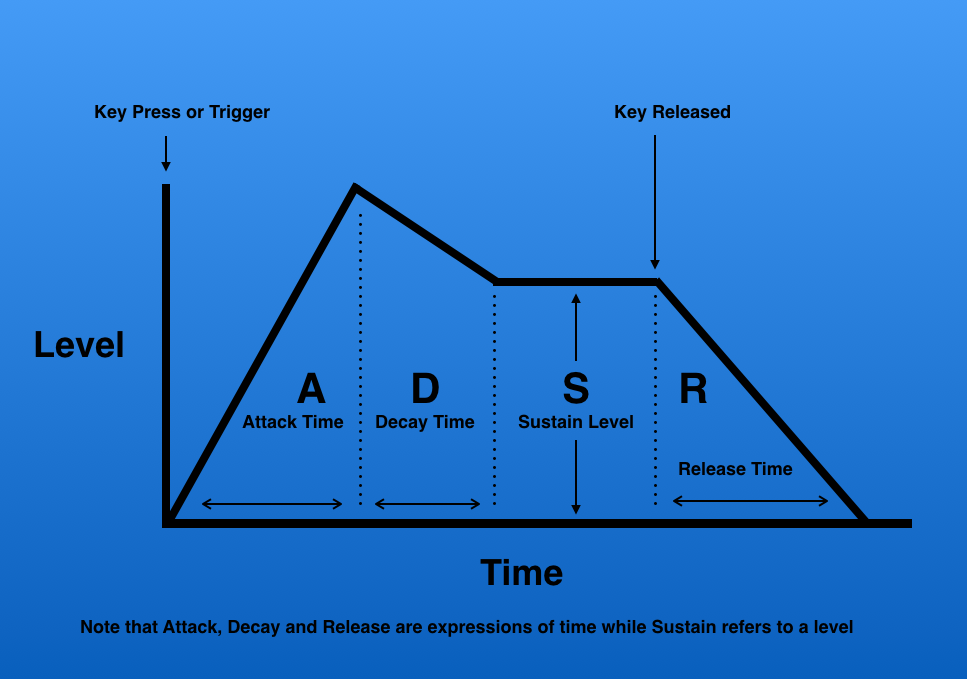
Decay time is a critical aspect of sound that can greatly affect its quality and character. As a sound engineer and musician, I have spent countless hours tweaking decay times to achieve the perfect sound for a recording or performance.
Decay time refers to the amount of time it takes for a sound to fade away after it has been produced. This can be affected by a variety of factors, including the size and shape of the room, the materials used in the construction of the room, and the type of sound source.
As with many aspects of sound, there is no one-size-fits-all approach to decay time. The ideal decay time will depend on the specific context and desired effect, and may require experimentation and adjustment to achieve.
Sound Decay Time
Sound decay time is a measure of how quickly a sound fades away after it has been produced. This can be affected by a variety of factors, including the size and shape of the room, the materials used in the construction of the room, and the type of sound source.
As a musician and sound engineer, I have spent countless hours tweaking decay times to achieve the perfect sound for a recording or performance. Whether it’s adjusting the reverb on a vocal track or fine-tuning the decay time on a snare drum, the right decay time can make all the difference in the final product.
As with many aspects of sound, there is no one-size-fits-all approach to decay time. The ideal decay time will depend on the specific context and desired effect, and may require experimentation and adjustment to achieve.
Effect of Decay Time on Sound
The effect of decay time on sound can be profound, and can greatly affect the quality and character of a recording or performance. A longer decay time can create a sense of spaciousness and depth, while a shorter decay time can create a more focused and intimate sound.
As a sound engineer and musician, I have experimented with a wide range of decay times to achieve different effects. Whether it’s creating a lush, reverberant sound for a ballad or a tight, punchy sound for a rock song, the right decay time can make all the difference.
As with many aspects of sound, the effect of decay time will depend on the specific context and desired effect. Experimentation and adjustment are key to finding the right decay time for a given situation.
Decay Time Definition
Decay time is a measure of how quickly a sound fades away after it has been produced. It is an important aspect of sound that can greatly affect its quality and character.
As a sound engineer and musician, I have spent countless hours tweaking decay times to achieve the perfect sound for a recording or performance. Whether it’s adjusting the reverb on a vocal track or fine-tuning the decay time on a snare drum, the right decay time can make all the difference in the final product.
As with many aspects of sound, there is no one-size-fits-all approach to decay time. The ideal decay time will depend on the specific context and desired effect, and may require experimentation and adjustment to achieve.
Decay Time in Music
Decay time is a critical aspect of music that can greatly affect its quality and character. Whether it’s the decay time of a snare drum or the reverb on a vocal track, the right decay time can make all the difference in the final product.
As a musician and sound engineer, I have spent countless hours tweaking decay times to achieve the perfect sound for a recording or performance. Whether it’s creating a lush, reverberant sound for a ballad or a tight, punchy sound for a rock song, the right decay time can make all the difference.
As with many aspects of sound, there is no one-size-fits-all approach to decay time in music. The ideal decay time will depend on the specific context and desired effect, and may require experimentation and adjustment to achieve.


