
How to Choose the Right Video Format to Get the Best Quality
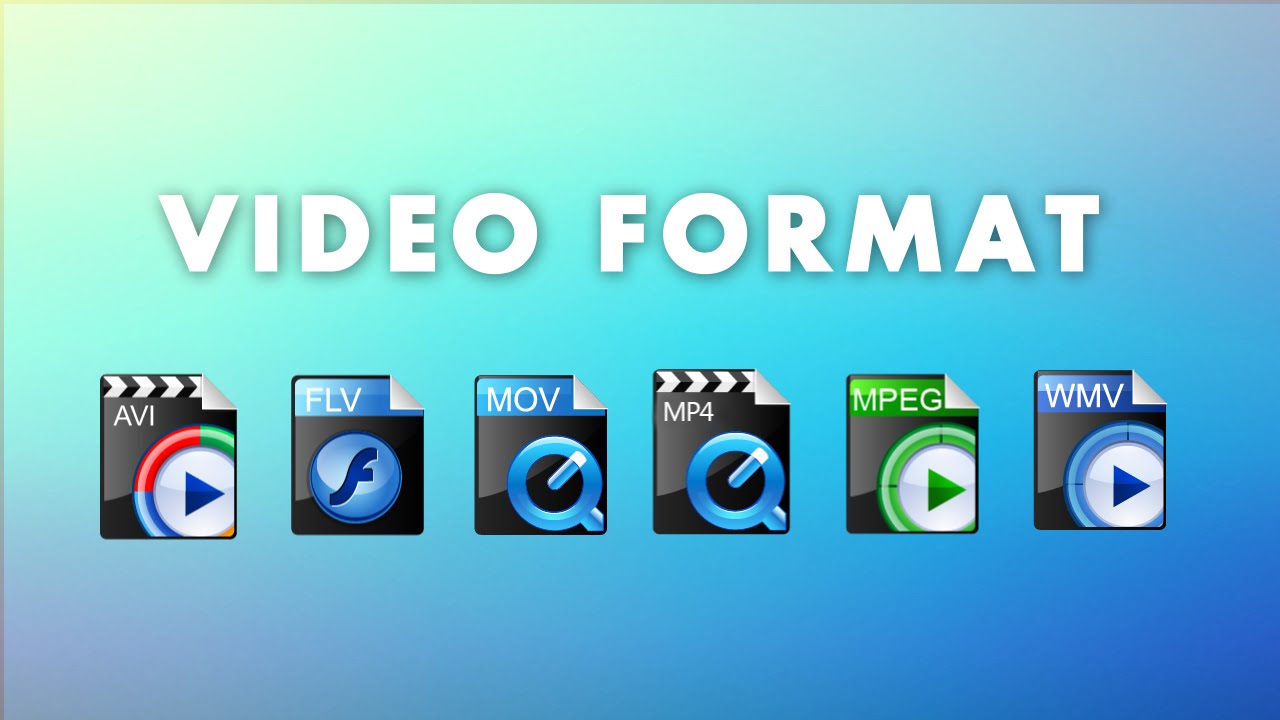

In the world of digital media, video content has become a powerful means of communication. Whether you’re creating content for your website, social media, or professional projects, one critical decision you’ll face is choosing the right video format to ensure the best quality. Let’s delve into this topic and explore the factors that can help you make an informed choice.
Understanding Video Format Basics
Video format refers to the specific way in which your video file is encoded and stored. It determines the quality, file size, and compatibility of your video across various devices and platforms. The choice of video format can significantly impact the viewing experience. As film director Christopher Nolan once said, “Every film should have its own world, a logic, and feel to it that expands beyond the exact image that the audience is seeing.” In a similar vein, the video format you choose should align with the world you want to create for your audience.
When considering video formats, you’ll often come across terms like MP4, AVI, MKV, MOV, and more. Each format has its strengths and weaknesses. For instance, MP4 is widely used for its compatibility with various devices and excellent compression, making it suitable for online streaming. On the other hand, MOV, developed by Apple, is known for its high-quality playback and is preferred by professionals.
Selecting the Right Resolution
Resolution is a crucial factor in video quality. It determines the number of pixels that make up each frame of your video. A higher resolution generally leads to crisper and more detailed visuals. However, the choice of resolution should align with your target audience and distribution platform. As filmmaker Stanley Kubrick once noted, “If it can be written or thought, it can be filmed.” In the context of video format selection, this means you should have a clear vision of your content’s purpose and how you want it to be perceived.
Common video resolutions include Full HD (1920×1080), Ultra HD (4K, 3840×2160), and even higher resolutions for specialized purposes. If your content is primarily intended for YouTube or social media, Full HD is a practical choice, as it balances quality and file size. However, for cinematic experiences or professional presentations, Ultra HD or even higher resolutions might be preferred to capture every detail.
Choosing the Right Codec
The codec, short for compressor-decompressor, plays a crucial role in video format selection. It determines how the video data is compressed and decompressed during playback. A well-chosen codec can optimize both quality and file size. As director Quentin Tarantino once said, “I didn’t go to film school; I went to films.” Similarly, understanding codecs and their impact can be more valuable than formal education when it comes to video production.
Common video codecs include H.264, H.265 (HEVC), VP9, and AV1. H.264 is widely supported and offers excellent compression, making it a go-to choice for online video. H.265 provides better quality at lower bitrates but may require more processing power. VP9 and AV1 are open-source codecs gaining popularity for their efficiency and quality. The choice of codec should align with your intended distribution platform and audience’s devices.
Final Words
Choosing the right video format is a critical decision in video production. It determines the quality of your content and its compatibility with various devices and platforms. To quote renowned filmmaker George Lucas, “Special effects are just a tool, a means of telling a story.” Similarly, the video format is a tool for conveying your story to the audience. By understanding the basics of video format, resolution, and codec, you can make informed choices that enhance your content’s quality and impact.
In summary, remember that your choice of video format should align with your content’s purpose, target audience, and distribution platform. It’s a powerful tool to create your unique storytelling world and make your videos stand out.


