
How MP3 Players Work Part 2
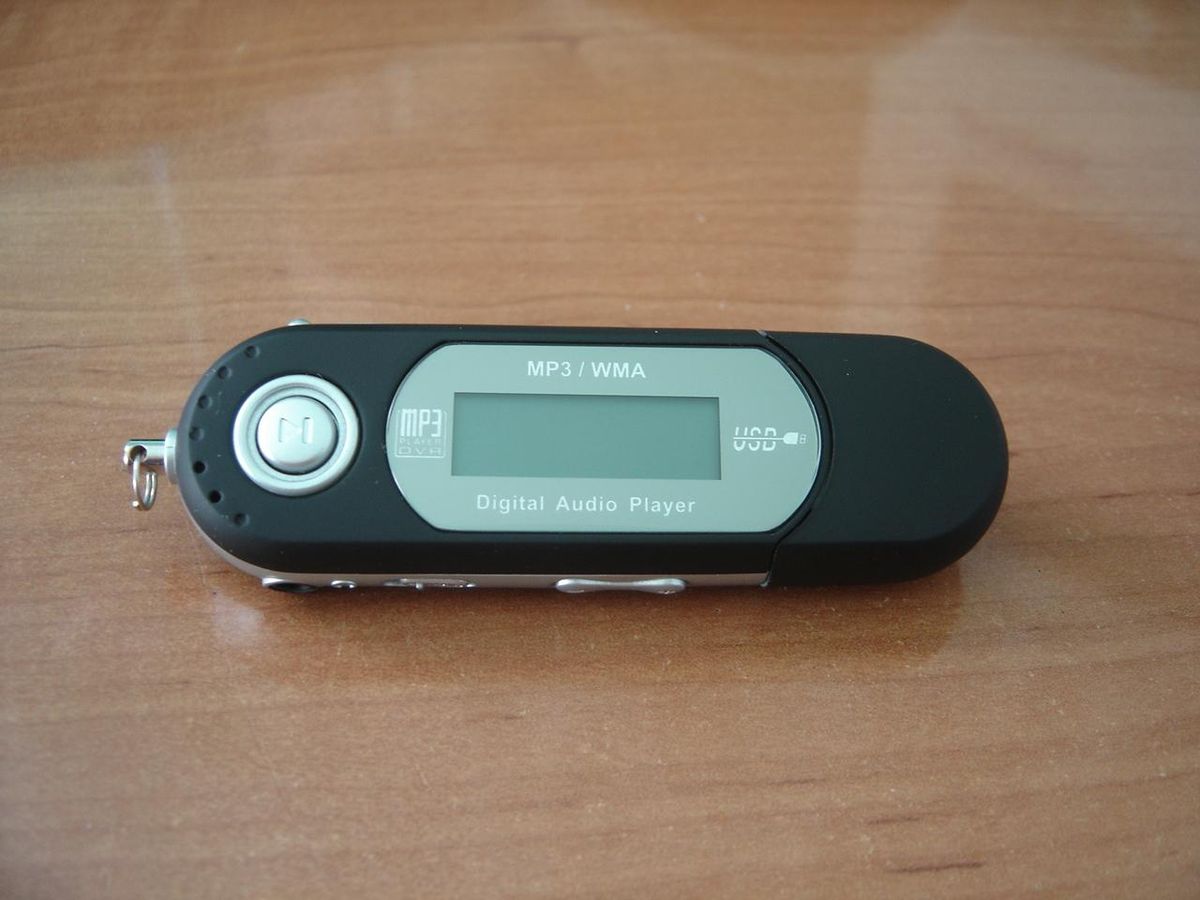
While MP3 is perhaps the most popular file format, there are other formats that can be played on MP3 players.

While most MP3 players can support multiple formats, not all players support the same formats. Here are some of the file formats that can be played on different players:
WMA – Windows Media Audio
WAV – Waveform Audio
MIDI – Musical Instrument Digital Interface.
AAC Format – Advanced Audio Coding
Ogg Vorbis – free, open, patent-free music format
ADPCM – Adaptive Differential Pulse Code Modulation
ASF – Advanced Transmission Format
VQF – Vector Quantization Format
ATRAC – Sony Adaptive Transform Acoustic Coding
In the next section, we’ll cover the technology behind the player that allows you to listen to music.
this technology
Unlike early music players that required moving parts to read the data encoded on tape, MP3 players used solid-state memory. An MP3 player is nothing more than a data storage device with built-in software that can transfer MP3 files to the player. MP3 players also include tools for duplicating music from radio, CDs, radios, or websites, as well as the ability to organize and create custom playlists in the order you want to listen to them. This playlist is called a playlist.
MP3 players are a fusion of many technologies. Taken individually, none of its components is revolutionary, but together they create a consumer product never seen before.
The exact parts may vary, but the following are the basic parts of a typical MP3 player:
data port
RAM
microprocessor
Digital Signal Processor (DSP)
Show
playback control
audio port
amplifier
electricity supply
“width =
Connect the player to your computer with a USB port, FireWire port or parallel port to transfer data. USB-based players transfer data many times faster than those using parallel ports. MP3 files are saved in the player’s memory.
Memory types include:
internal flash memory
compact flash card
Brand SmartMedia
Memory card
internal micro hard drive
Except for the last one, everything else is solid state memory. The advantage of solid state memory is that there are no moving parts, which means higher reliability and no musical skipping. MP3 players contain tiny hard drives with 10 to 150 times the storage capacity of flash memory devices.
The microprocessor is the brain of the player. It can monitor user input via a DSP chip that displays information on the current song’s playback controls, LCD panel, and send address, telling you exactly how to process the audio.
“width =
In addition to storing music, MP3 players must also play music and allow the user to listen to the song that is being played. To do this, the player:
Get the song out of your memory.
Decompress MP3 encoding, by DPS, by algorithm or formula.
Convert the uncompressed bytes into sound waves through a digital-to-analog converter.
It amplifies the analog signal so that the song can be heard.
All portable MP3 players are battery powered. Most rechargeable lithium batteries are used indoors and last between 10 and 28 hours on a single charge. Many players also have AC adapters so they can be plugged into regular power outlets, and some even offer DC adapters for use in cars.
In the next section, we will learn about the different types of MP3 players.
Types of MP3 Players
Apple iPhones have 4GB or 8GB of flash memory. “width =
Apple iPhones have 4GB or 8GB flash memory.
COMPLIMENTARY CONSUMER GUIDE PRODUCTS
MP3 players as a variation of the people who buy them. The choice is based on several factors, including how you plan to use it, how much music you want to take with your MP3 player, and how much you’re willing to pay. Let’s take a look at the four basic types of MP3 players.


