
What is oversampling?
It involves sampling a signal with a frequency higher than the fundamental frequency.
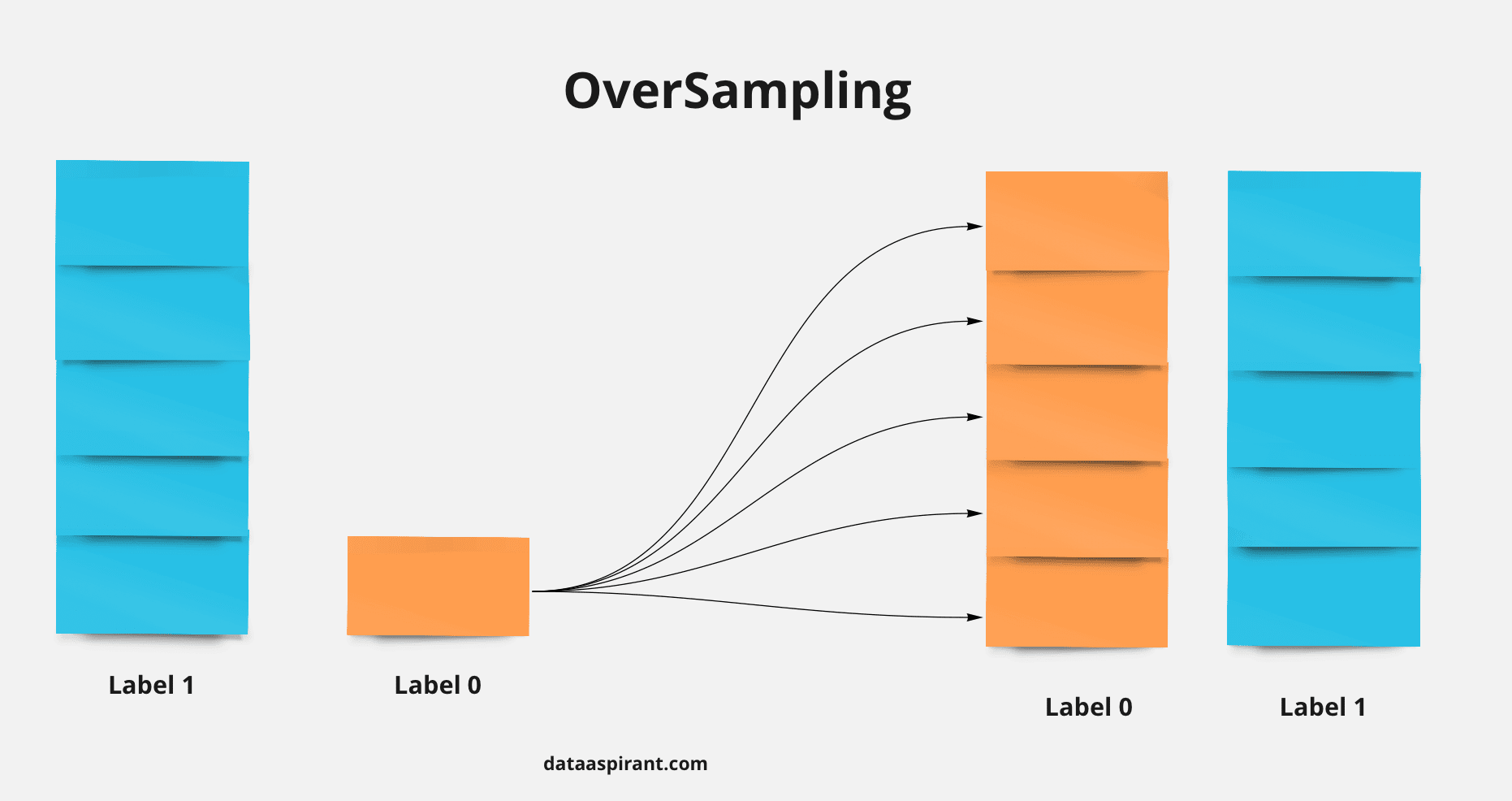
sampling. Oversampling can be analog, by upsampling
sampling of the original or digital signal when
yes, between existing digital samples, additional
nal, calculated by interpolation. Another way to acquire knowledge
intermediate reads consists of inserting zeros, after which all
the sequence is digitally filtered. The ADC uses-
Xia analog oversampling, on the DAC – digital.
Oversampling is used to simplify ADC and DAC designs. By
trouble conditions at ADC input and DAC output must be set
logarithmic filter with frequency response, linear in the operating range and steeply descending
outside her. The implementation of an analog filter of this type is quite complex;
at the same time, with an increase in the sampling frequency, the reflection
the spectrum moves proportionally away from the main signal, and a
the log filter can have a much lower shear slope.
Another advantage of oversampling is that the amplitude errors
tight quantization (crushing noise) distributed across the entire spectrum
quantized signal, by increasing the sampling frequency, distribute
over a wider frequency band, so that the main sound’s share
the signal has less noise. Each frequency is doubled
reduces the quantization noise level by 3 dB; from a binary time
the range is equivalent to 6 dB of noise, each quadruple of frequency allows
to reduce the capacity of the converter by one.
Oversampling along with increasing sample bit depth, interpolation
more accurate readings and their output to the DAC
Bit depth allows you to slightly improve the quality of sound restoration.
signal. For this reason, even on 16-bit systems, it is not uncommon for
18 bit and 20 bit oversampling DACs are used.
ADC and DAC with oversampling due to a significant reduction in time
none of the transformations can do without a search and store scheme.


